

Capybaras are the world’s largest rodents and have become an unexpected favorite among animal lovers. With their gentle nature and unique appearance, many people dream of seeing these South American natives up close. But where can you actually see capybaras in the United States? The answer might surprise you: dozens of zoos, wildlife parks, and even some petting farms across the country now house these fascinating creatures. If you’re hoping to spot a capybara without leaving the US, here’s everything you need to know.
Why Capybaras Are So Popular
The capybara is famous for its calm personality and social habits. These semi-aquatic animals are often seen relaxing in groups, soaking in water, or even interacting with other animals. Videos and photos of capybaras “chilling” have gone viral, making them internet celebrities. Their friendly look and peaceful ways make them especially popular with families and children.
For those who want to meet a capybara in person, knowing where to look is the first step. While capybaras are not native to the US, they are part of many animal collections from coast to coast.
Top Zoos And Parks To See Capybaras
Let’s explore some of the best places across the US where you can find capybaras. Each location offers a different experience, so you can pick the one that fits your travel plans.
| Location | State | Visitor Experience |
|---|---|---|
| San Diego Zoo | California | Large South American habitat, viewing platforms |
| Smithsonian’s National Zoo | Washington, D.C. | Rainforest exhibit, educational talks |
| Houston Zoo | Texas | Capybara family, close viewing windows |
| Columbus Zoo | Ohio | Wetland enclosure, kids’ activities |
| Denver Zoo | Colorado | Interactive experiences, animal encounters |
| Zoo Miami | Florida | South American exhibit, educational programs |
San Diego Zoo, California
The San Diego Zoo is well-known for its large animal collection. Here, capybaras live in a lush, South American-style habitat. Visitors can watch them swim, eat, and interact with other animals. The zoo often offers keeper talks where you can learn more about capybara behavior.
Smithsonian’s National Zoo, Washington, D.c.
At the National Zoo, capybaras are part of the Amazonia exhibit. This section is designed to look like a rainforest. You can see capybaras resting by the water or sharing space with fish and birds. Educational programs often highlight their role in the ecosystem.
Houston Zoo, Texas
The Houston Zoo has a dedicated capybara family. Their enclosure allows you to get quite close to the animals, making it easy to see their details. Check the schedule for feeding times, as these are especially popular with kids.
Columbus Zoo, Ohio
The Columbus Zoo features capybaras in its wetland area. The setting mimics their natural home, complete with ponds and plenty of mud. The zoo also hosts special events for children, where capybaras are often the stars.
Denver Zoo, Colorado
At the Denver Zoo, you may be able to participate in special animal encounters. These experiences let you meet capybaras up close, under the guidance of staff. It’s a great way for families to learn directly from experts.
Zoo Miami, Florida
Zoo Miami boasts a large South American section. Capybaras are among the key animals here. The zoo offers educational talks and even art classes inspired by these gentle giants.
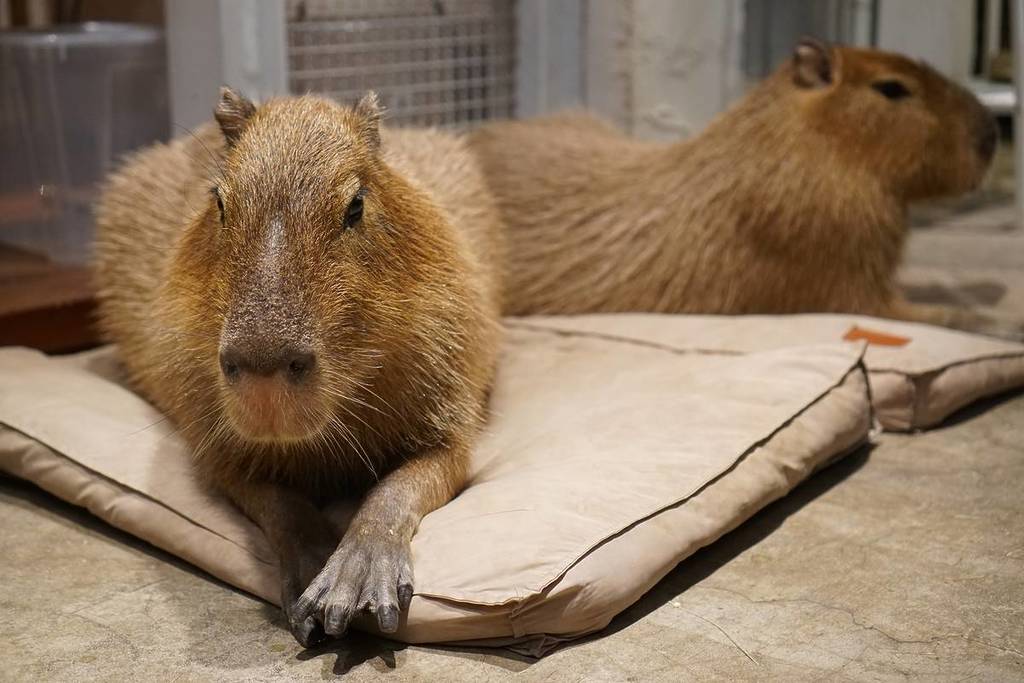
Credit: secretmiami.com
Other Places To See Capybaras
Not every capybara lives in a big city zoo. Smaller facilities can sometimes offer a more personal experience.
- Animal sanctuaries: Some wildlife sanctuaries, like the Jungle Island in Florida, have capybaras in rescue or educational settings.
- Petting zoos and farms: Places like Animals of Montana and smaller regional petting zoos may allow gentle contact with capybaras.
- Drive-through safari parks: Parks such as the Wildlife Safari in Oregon let you see capybaras from your own car, often walking through their open habitats.
It’s important to check each location’s website before visiting. Some smaller places may have limited hours, or capybaras might not always be visible.
Capybara Experiences: What To Expect
Seeing capybaras in person is different from watching them online. Here are a few things to expect during your visit:
- Group living: Capybaras are social. You’ll almost always see them in small groups.
- Semi-aquatic life: They spend a lot of time in or near water, so look for them in pools or ponds.
- Feeding times: Many zoos have set times when keepers feed capybaras. This is a good chance to see them active and learn about their diet.
Some places offer capybara encounters or feeding opportunities. These experiences are often limited and may require booking in advance.
Capybaras As Pets: Is It Possible?
Many people wonder if they can keep a capybara as a pet in the US. While it’s technically legal in a few states, it’s not recommended for most people. Capybaras need:
- Large, secure outdoor spaces
- Access to water for swimming
- Special diets and veterinary care
They can get lonely without other capybaras and may become stressed. Most experts suggest visiting capybaras at professional facilities rather than trying to own one.
For more about legal and welfare issues, check this Wikipedia page about capybaras.
Capybara Habitats In The Us: A Quick Comparison
Here’s a quick look at how different types of places care for capybaras:
| Type of Facility | Group Size | Water Access | Visitor Interaction |
|---|---|---|---|
| Large Zoos | 5-10 capybaras | Pools/Ponds | Viewing only, some talks |
| Sanctuaries | 2-6 capybaras | Lakes or natural ponds | Occasional up-close tours |
| Petting Zoos | 1-2 capybaras | Small pools | Supervised petting/feeding |

Credit: capybaraworld.wordpress.com
Tips For Planning Your Capybara Visit
To make your trip a success, keep these practical tips in mind:
- Check the schedule: Some zoos rotate animals or close exhibits for maintenance.
- Bring a camera: Capybaras are photogenic, but avoid flash, which may scare them.
- Go early: Animals are often more active in the morning, especially during feeding.
- Respect barriers: Don’t try to touch or feed capybaras unless staff say it’s okay.
One mistake many visitors make is expecting capybaras to act like dogs or cats. They are calm and slow-moving, so be patient and enjoy watching them relax.
Capybara Sightings: Fun Facts
- Capybaras can hold their breath for up to five minutes underwater.
- Their teeth never stop growing, so they chew on branches and bark.
- Some US zoos pair capybaras with animals like ducks or monkeys because they get along well.

Credit: twpark.com
Frequently Asked Questions
Are Capybaras Dangerous?
No, capybaras are usually gentle and safe around people. However, they can bite if frightened, so always follow zoo rules and never try to touch them in the wild.
Can I Adopt A Capybara In The Us?
It’s possible in a few states, but it’s not easy or recommended. Capybaras need special care, and most people are better off enjoying them at zoos or sanctuaries.
Do Capybaras Make Noises?
Yes, they chirp, whistle, and purr to communicate. You might hear these sounds during your visit, especially when they are in groups.
Are There Capybara Encounters For Kids?
Many zoos offer special experiences for children, like feeding or up-close encounters. Check the zoo’s website and book ahead, as spots can fill up fast.
How Long Do Capybaras Live In Captivity?
With proper care, capybaras can live up to 12 years in zoos or sanctuaries, which is longer than in the wild.
Meeting a capybara in the US is easier than you might think. With a bit of planning, you can experience these amazing animals up close and learn why they’ve captured hearts around the world.


