

If you’ve ever seen a picture of a capybara relaxing in a hot spring or making friends with other animals, you might wonder where you can see one up close. These gentle giants are the world’s largest rodents, famous for their calm personalities and unique social behavior.
Many people want to meet a capybara, but finding them isn’t always simple—especially if you don’t live in South America, where they are native.
Luckily, capybaras are now found in zoos, wildlife parks, and some private farms around the world. If you’re searching for “Where can I see capybaras near me,” this guide will help you discover the best places, what to expect, and tips to make your visit special.
Zoos That Have Capybaras
Zoos are the most common places to see capybaras in many countries. These institutions often keep capybaras with other South American animals, allowing you to observe their natural behavior. Here are some well-known zoos where you can see capybaras:
1. San Diego Zoo (california, Usa)
One of the world’s most famous zoos, the San Diego Zoo houses capybaras in its Elephant Odyssey area. You can watch them swim and interact with other animals like tapirs.
2. London Zoo (uk)
The London Zoo features capybaras in their Rainforest Life exhibit. The indoor environment is designed to mimic their native wetlands, making it a great spot for close observation.
3. Toronto Zoo (canada)
At the Toronto Zoo, capybaras live in the Americas Pavilion. Visitors often see them relaxing in shallow water or munching on grass.
4. Singapore Zoo
Known for open enclosures, the Singapore Zoo lets you get very close to capybaras. Sometimes, you may even join feeding sessions.
5. Taronga Zoo (sydney, Australia)
The Taronga Zoo includes capybaras as part of its Rainforest Trail, alongside other South American species.
Tip: Not all zoos have capybaras. Check the zoo’s website before you visit to confirm they are on display. Capybaras are most active in the morning and late afternoon.
Wildlife Parks And Animal Encounters
Some wildlife parks and rescue centers offer unique experiences with capybaras. These are great for people who want more interaction than what a traditional zoo offers.
1. Out Of Africa Wildlife Park (arizona, Usa)
Here, visitors can join “encounter” sessions, sometimes getting a chance to feed or touch capybaras under supervision.
2. Kangaroo Creek Farm (british Columbia, Canada)
Famous for its friendly animals, this farm allows guests to get close to capybaras, sometimes even letting you pet them.
3. Hoo Farm Animal Kingdom (uk)
This small animal park in England offers “meet a capybara” experiences, perfect for families and kids.
Practical Insight: Capybaras are social and gentle, but they can be startled by loud noises or sudden movements. Always follow staff instructions during animal encounters.
Capybaras In Petting Zoos And Farms
Some private farms and petting zoos also keep capybaras, especially in the United States, Canada, and Japan. These places sometimes offer more relaxed rules, letting visitors feed or even hold a capybara.
- Nasu Animal Kingdom (Japan): This popular park is famous for its hot spring-loving capybaras. Visitors can watch them soak and sometimes join in for feeding.
- Sunflower Farm (Texas, USA): Known for its variety of exotic pets, this farm sometimes welcomes visitors to meet their capybaras.
Important: Petting zoos may have seasonal hours or limit animal contact during certain months. Contact the facility before visiting.
Comparing Zoos, Wildlife Parks, And Petting Farms
Not sure which type of place to visit? Here’s a simple comparison:
| Type of Place | Level of Interaction | Common Activities |
|---|---|---|
| Zoo | Low to Moderate | Observation, Educational Talks |
| Wildlife Park | Moderate to High | Feeding, Supervised Touching |
| Petting Zoo/Farm | High | Petting, Feeding, Photos |
Non-obvious insight: Farms and petting zoos sometimes have less strict rules, but this can also mean less professional animal care. Always look for reviews and check that the animals appear healthy and well-cared for.
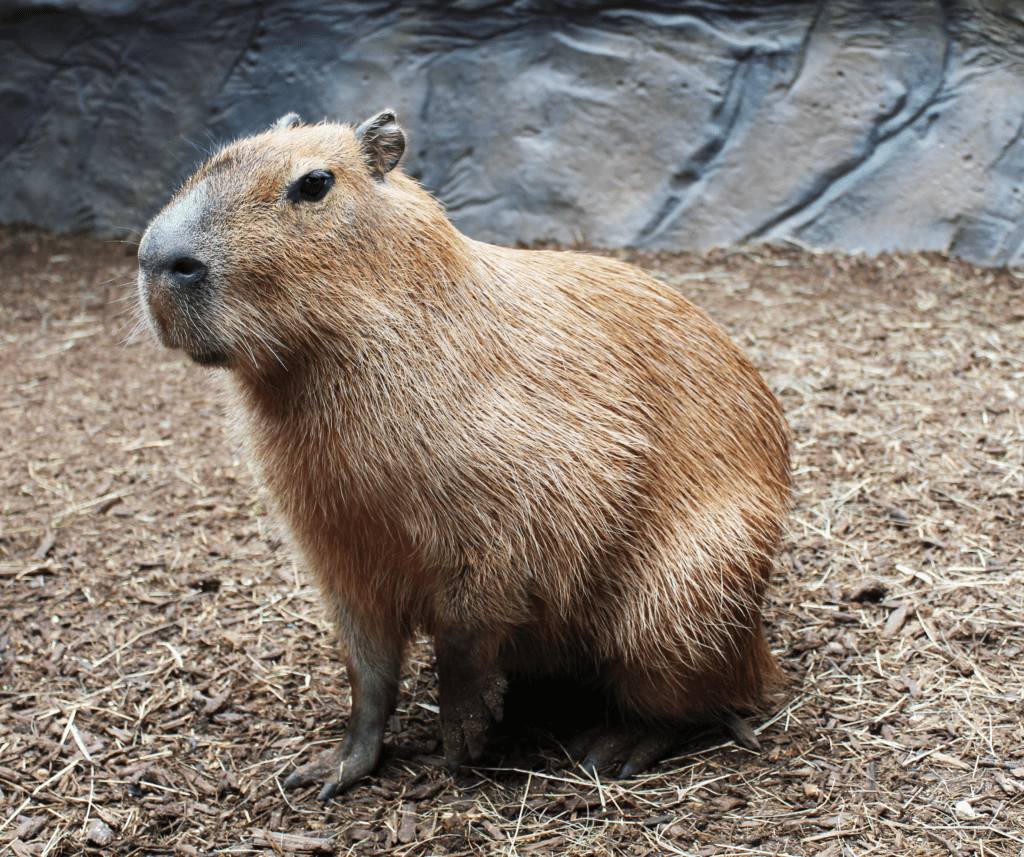
Credit: www.awsfzoo.com
How To Find Capybaras Near You
If you’re still asking, “Where can I see capybaras near me?”, try these steps:
- Search online with your city and “capybara zoo” or “capybara encounter.”
- Check local zoo websites for animal lists.
- Look for wildlife parks or animal rescue centers within driving distance.
- Call ahead to ask about capybara viewing times or special experiences.
Many facilities offer seasonal events or animal encounter days. Signing up for newsletters or following their social media can alert you to these opportunities.
What To Expect During Your Visit
Seeing a capybara can be a memorable experience, but there are a few things you should know:
- Capybaras are semi-aquatic: Most enclosures include water features, so expect to see capybaras swimming or soaking.
- They are group animals: Capybaras are happiest in groups, so you’ll often see several together.
- Feeding is sometimes allowed: Only feed capybaras what staff provides—never bring your own food.
Practical tip: Capybaras can be quiet and still for long periods, especially on hot days. Patience pays off—watch for subtle interactions and social grooming.

Credit: chewvalley-animalpark.co.uk
Why Capybaras Fascinate People
Capybaras have a special place in popular culture due to their gentle nature and unusual friendships with other animals. On social media, you’ll find countless photos of capybaras sitting with birds, monkeys, and even cats. This calm, friendly attitude makes them favorites for animal lovers.
Recent studies show that capybaras are very social and use different sounds to communicate. They can live up to 8-10 years in captivity, growing up to 60 kg (130 lbs) and nearly 1. 3 meters (4 feet) long.
Non-obvious insight: Capybaras need daily access to water and a group for mental health. When you visit a zoo or farm, notice if these needs are met—happy capybaras are active and comfortable around each other.
Capybara Viewing Tips
To make the most of your visit:
- Go early in the day when capybaras are most active.
- Bring a camera with a zoom lens for better photos.
- Watch for group behaviors like grooming or gentle “chirping” sounds.
- Respect barriers and never try to touch a capybara without staff permission.
If you want to learn more about capybara care, check out the Wikipedia page on Capybaras.

Credit: capybaraworld.wordpress.com
Frequently Asked Questions
How Much Does It Cost To See A Capybara?
Prices vary by location. Zoo entry can range from $10 to $30 per person. Special encounters or feeding sessions may cost extra.
Can I Pet A Capybara?
In most zoos, you cannot touch the animals. Some petting zoos or wildlife parks allow petting under staff supervision. Always ask before approaching.
Are Capybaras Dangerous To Humans?
Capybaras are generally gentle. However, they have strong teeth and can bite if frightened. Respect their space and follow staff instructions.
Can I Keep A Capybara As A Pet?
In some states and countries, it is legal with proper permits. However, capybaras have special needs and require lots of space and water. They are best enjoyed in professional settings.
What Do Capybaras Eat?
Capybaras eat grasses, hay, and sometimes fruit or vegetables. Never feed them human snacks or processed food.
Seeing a capybara is a unique experience that connects you with one of nature’s most peaceful animals. Whether you visit a zoo, wildlife park, or petting farm, take your time to observe and appreciate these gentle creatures. With a bit of planning, you can find capybaras near you and leave with memories that last a lifetime.


