

Capybaras are gentle, social animals that capture the hearts of many animal lovers around the world. Known as the world’s largest rodents, these fascinating creatures are famous for their calm nature and unique appearance. If you have ever wondered, “Where can I see capybaras?
” You are not alone. Many people want to meet these animals in person, but knowing where and how to find them can be confusing. Here’s a complete guide to help you discover the best places to see capybaras, both in the wild and in human care.
Capybaras In The Wild
Capybaras are native to South America. They prefer areas with water, such as rivers, lakes, and swamps. In the wild, you can find them in countries like Brazil, Venezuela, Colombia, Argentina, and Paraguay.
If you hope to spot capybaras in their natural habitat, consider these locations:
- Pantanal, Brazil: The Pantanal is the world’s largest tropical wetland. It is famous for its wildlife diversity and is one of the best places to see capybaras in the wild. Capybaras often gather in groups near rivers and ponds.
- Iberá Wetlands, Argentina: This vast area of marshes and lagoons is home to many capybara families. Early morning and late afternoon are the best times to observe them.
- Llanos, Venezuela: Known for open grasslands and seasonal floods, the Llanos is another capybara hotspot. Wildlife tours often include capybara viewing.
While seeing capybaras in the wild is exciting, it requires patience and travel. Remember, these animals are most active at dawn and dusk.
Zoos And Wildlife Parks
For those who cannot travel to South America, many zoos and wildlife parks around the world keep capybaras. These places offer a safe environment where you can observe and sometimes interact with these animals up close.
| Zoo/Park | Location | Special Features |
|---|---|---|
| San Diego Zoo | USA | Large outdoor enclosure, educational talks |
| London Zoo | UK | Capybara feeding sessions |
| Singapore Zoo | Singapore | Rainforest habitat, close-up views |
| Taronga Zoo | Australia | Interactive displays, group exhibits |
Most major cities have at least one zoo where you can see capybaras. Some zoos even allow supervised feeding or petting sessions. Always check the zoo’s website for details before visiting.

Credit: www.gatorland.com
Capybara Cafés And Petting Farms
In recent years, capybara cafés and petting farms have become popular, especially in Japan and parts of Asia. These unique places let visitors interact with capybaras in a relaxed setting.
- Izu Shaboten Zoo (Japan): Famous for its capybara hot spring, where you can watch these animals soak and relax during winter.
- Nasu Animal Kingdom (Japan): Offers hands-on encounters with friendly capybaras.
- Kobe Animal Kingdom (Japan): Visitors can feed, touch, and take photos with capybaras.
These cafés and farms usually have clear rules to protect the animals and guests. Always follow the staff’s instructions for a safe and enjoyable experience.
Capybaras As Pets
Some people wonder if they can keep a capybara as a pet. In a few countries, it is legal to own a capybara, but it requires special care, permits, and space. Capybaras need:
- A large, secure outdoor area
- Access to swimming water
- A social group (they do not like being alone)
- A special diet of grass and vegetables
Caring for a capybara is a big responsibility. Many experts recommend visiting them in zoos or sanctuaries instead of keeping one as a pet.

Credit: www.thedunhamfarm.com
Capybara Encounters: What To Expect
Meeting capybaras can be a wonderful experience. Here are some things to keep in mind:
- Capybaras are gentle and rarely bite, but they can be shy around strangers.
- They love water and often spend time swimming or soaking.
- In groups, they communicate with soft purrs and whistles.
For the best experience, visit during feeding times or when the animals are most active. Some parks offer guided tours or educational talks.
Comparing Ways To See Capybaras
Below is a comparison of different ways to see capybaras:
| Type of Experience | Interaction Level | Travel Needed | Best For |
|---|---|---|---|
| Wild Observation | Minimal | High (South America) | Adventure seekers |
| Zoo Visit | Medium | Low to Medium | Families, students |
| Capybara Café | High | Medium (Asia) | Animal lovers, tourists |
If you want close contact, a café or petting farm is best. For a more natural experience, try a wildlife tour in South America.
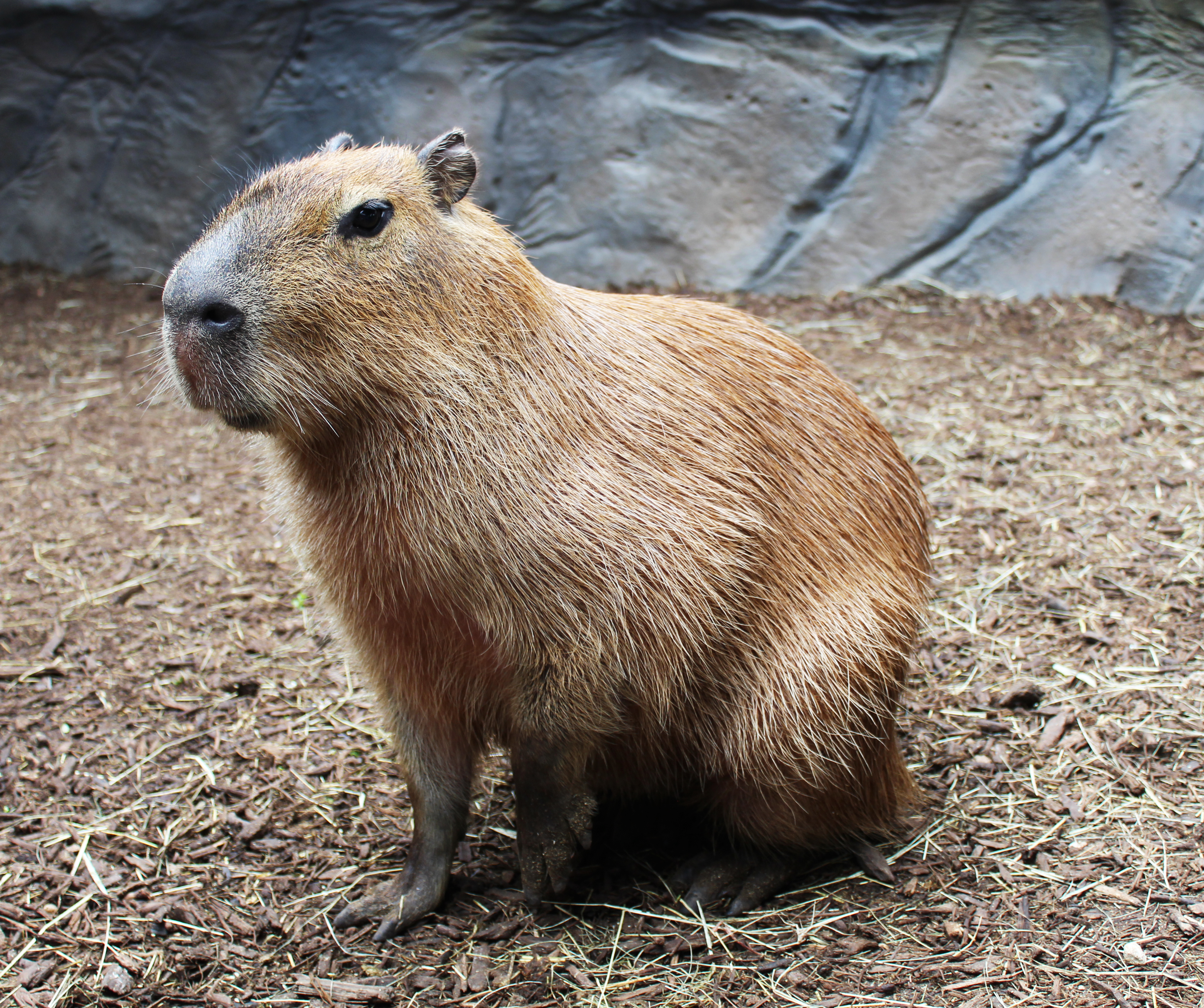
Credit: www.awsfzoo.com
Capybara Conservation
Capybaras are not endangered, but their habitats face threats from deforestation and water pollution. Responsible wildlife tourism helps raise awareness and funds for conservation. If you visit a zoo or sanctuary, check if they support conservation projects.
Many zoos and parks also run breeding programs to ensure healthy populations. Your visit can help support these efforts.
Fun Facts About Capybaras
- Capybaras can grow up to 66 kg (145 lbs).
- They have webbed feet, which help them swim well.
- Capybaras can hold their breath for up to five minutes underwater.
- They communicate using a range of sounds, from clicks to purrs.
- In the wild, they live in groups of 10–20 members.
These unique features make capybaras fascinating to watch and learn about.
Frequently Asked Questions
Where Do Capybaras Live In The Wild?
Capybaras are found in South America, especially in countries like Brazil, Argentina, and Venezuela. They like wetlands and areas with plenty of water.
Can I Keep A Capybara As A Pet?
In some places, you can keep capybaras as pets, but it requires special permits and a lot of space. They need water to swim and should not live alone.
Are Capybaras Dangerous?
Capybaras are usually gentle and calm. They are social animals and rarely show aggression. However, like all animals, they should be treated with respect.
What Do Capybaras Eat?
Capybaras mainly eat grass, aquatic plants, fruits, and vegetables. In zoos, they may also get special rodent food.
Where Can I Find More Information About Capybaras?
For more detailed information, visit the Wikipedia capybara page.
Meeting a capybara—whether in the wild, a zoo, or a café—is an unforgettable experience. Choose the option that fits your travel plans and interests. With a little planning, you can see these amazing animals and learn why they are loved around the world.


