

Capybaras are the world’s largest rodents, famous for their gentle nature and unique appearance. As exotic pets, they have become a popular choice for animal lovers in many countries. But owning a capybara is not as simple as buying a cat or dog.
If you are wondering where you can buy a capybara, you need to consider legal, ethical, and practical factors. This guide will give you clear answers, practical advice, and some surprising insights that most beginners miss.
Understanding Capybara Ownership
Before searching for capybaras for sale, it’s important to know what ownership really means. Capybaras are semi-aquatic animals that need space, water, and special care. In many places, there are strict laws about keeping exotic animals. You need to check your local and national regulations before you even start looking for a seller.
Many people are surprised to learn that capybaras are not legal in every state or country. For example, in the United States, states like Texas and Pennsylvania allow capybaras with permits, while California and Georgia ban them completely. Always contact your local wildlife or agriculture department for clear guidance.
Main Places To Buy Capybara
There are only a few safe and reliable options to buy a capybara. Here’s what you need to know about each:
1. Licensed Exotic Animal Breeders
Licensed breeders are the most common source for capybaras. These breeders must follow strict rules and regular inspections to ensure the animals’ health. Reputable breeders will provide health records, origin details, and advice on proper care.
Signs of a good breeder:
- Clean and spacious facilities
- Willing to answer all your questions
- Provides references or reviews
- Shows legal permits on request
2. Exotic Animal Farms
Some exotic animal farms specialize in raising capybaras and other unusual animals. They usually have larger groups, sometimes with babies and adults for sale. Farms may offer delivery and set-up help, but not all have the same level of care as smaller breeders.
Tip: Visit the farm in person if possible. Check the living conditions and ask to see the parents of the capybara.
3. Exotic Pet Shows And Expos
Animal expos sometimes feature capybaras for sale. You can meet multiple breeders, compare prices, and ask questions directly. However, impulse buying is risky. These events can be overwhelming, and some sellers may not be ethical.
Practical advice: Never buy a capybara without seeing its health paperwork and getting proof of legal permission.
4. Online Exotic Pet Marketplaces
There are websites where capybaras are listed for sale, such as exotic animal classifieds. These sites connect buyers and breeders across different regions.
Warning: Online scams are common. Always check the seller’s reputation, ask for recent photos, and avoid sending money before visiting or verifying the source.
5. Animal Rescues And Sanctuaries
Sometimes, capybaras are rescued from owners who cannot care for them. Exotic animal rescues may adopt out capybaras to experienced owners. This is a responsible choice, but rescued capybaras can be harder to find.
Non-obvious insight: Adoption fees are often lower than breeder prices, and you help an animal in need.

Credit: www.amazon.com
How Much Does A Capybara Cost?
The price of a capybara can vary a lot, depending on age, origin, and location. Buyers often forget to budget for hidden costs like permits, transportation, and habitat set-up.
| Source | Average Price | Notes |
|---|---|---|
| Licensed Breeder | $1,000 – $3,000 | Usually includes paperwork and some support |
| Exotic Animal Farm | $1,200 – $3,500 | May offer delivery for extra cost |
| Rescue/Sanctuary | $200 – $800 | Adoption fees only, limited availability |
What To Look For In A Capybara Seller
Choosing a good seller is just as important as finding the animal itself. Here are key points to check:
- Legal permits: The seller must have the right paperwork.
- Health records: Ask for proof of vaccinations and vet checks.
- Origin: Make sure the capybara was not taken from the wild.
- Socialization: Capybaras that grow up with people are easier to handle.
Many first-time buyers forget to ask about socialization. Unsocialized capybaras can be shy, stressed, or even aggressive.

Credit: busybranchwildlifepark.com
Capybara Ownership Costs Beyond Purchase Price
Buying a capybara is only the beginning. These animals have special needs that add to the total cost.
| Item | Estimated Cost (per year) |
|---|---|
| Food (vegetables, hay, pellets) | $500 – $800 |
| Veterinary care | $200 – $600 |
| Habitat (fencing, pool maintenance) | $300 – $700 |
| Legal permits/fees | $50 – $200 |
Unexpected cost: Capybaras need a secure, escape-proof yard with a swimming area. Without water, they can become sick or stressed.
International Options For Buying Capybara
If you live outside the United States, your options and laws will be different. In some countries, capybaras can only be kept by zoos or research centers. In others, they can be owned by private people with special permits.
Here’s a quick look at different regions:
| Region | Legal Status | Where to Buy |
|---|---|---|
| USA | Varies by state | Licensed breeders, farms, rescues |
| UK | License required | Licensed exotic breeders |
| Canada | Some provinces allow | Specialist breeders |
| Australia | Usually prohibited | Zoos only |
Surprising fact: In South America, where capybaras are native, it’s illegal to export wild capybaras in most countries. Most legal capybaras in North America and Europe are bred in captivity.
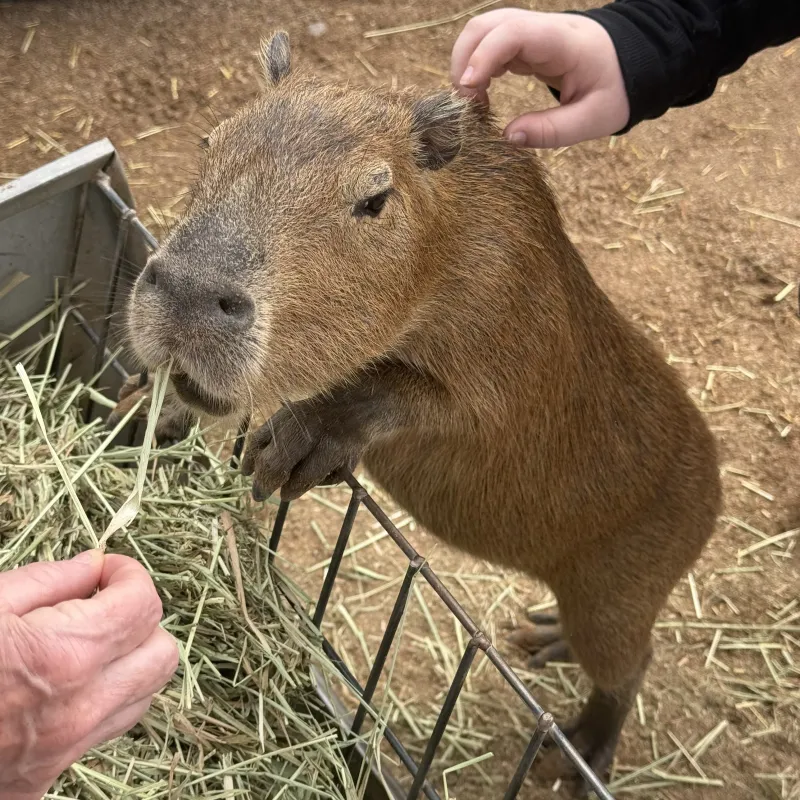
Credit: ghostranchexotics.com
How To Prepare For Your Capybara
Before bringing home your new pet, make sure you are ready. Here’s what to do:
- Set up a large, secure outdoor area with a swimming pool or pond.
- Buy the right food: Fresh grass, hay, and special rodent pellets.
- Find a veterinarian who can treat exotic animals.
- Prepare for company: Capybaras are social and do best in pairs or groups.
Most new owners overlook the need for a second capybara. Lonely capybaras can develop depression and behavioral problems.
Frequently Asked Questions
Is It Legal To Own A Capybara In My State Or Country?
Laws about capybara ownership are different everywhere. In the USA, some states allow them with permits, while others ban them. Always check with your local wildlife agency before buying.
How Much Space Does A Capybara Need?
A single capybara needs at least 250 square feet of outdoor space with access to water for swimming. More space is better, especially for groups.
Can Capybaras Live Indoors?
Capybaras are not indoor pets. They need outdoor areas, grass, and water. Keeping them inside is bad for their health and happiness.
Where Can I Find A Veterinarian For My Capybara?
Look for an exotic animal vet in your area. Not all vets have experience with capybaras, so ask for recommendations from breeders or local zoos.
Are There Any Risks To Owning A Capybara?
Capybaras can carry zoonotic diseases (diseases that spread to humans), and they need a lot of care. They also have strong teeth and can bite if scared or stressed.
For more information about capybara care and legal status, visit the Wikipedia page on Capybaras.
Owning a capybara can be rewarding, but it is a big responsibility. If you do your research and prepare well, you can offer a happy, healthy life to your new companion.


