

Capybaras are the world’s largest rodents, famous for their gentle nature and unique social habits. If you want to know where capybaras live, you need to understand their habitats, the countries they call home, and how they adapt to different environments.
This article explores everything about capybara locations—from wild populations to places where you can see them outside their natural range.
Natural Habitat Of Capybara
Capybaras are native to South America. Their favorite habitats are wetlands, riversides, and flooded savannas. These locations offer water for swimming and mud for wallowing, which helps them stay cool and escape predators.
They are semi-aquatic animals, meaning they spend much of their time in water. You will often find capybaras near lakes, ponds, and marshes. In the wild, they rarely live far from water sources. This need for water shapes their lifestyle and social behavior.
Climate Preferences
Capybaras thrive in tropical and subtropical climates. The regions they inhabit usually have temperatures between 20°C and 30°C. They avoid dry areas and places with cold winters because their bodies are not built for harsh weather.
Countries Where Capybaras Live
Wild capybaras are found in several South American countries. Here are the main countries where you can see capybaras in their natural environment:
- Brazil: Brazil has the largest capybara population. They live in the Pantanal, Amazon basin, and along rivers throughout the country.
- Venezuela: Capybaras are common in the Llanos, a vast wetland region.
- Colombia: Found in the Orinoco basin and flooded forests.
- Argentina: Especially in the northeast, near the Paraná River and wetlands.
- Peru: Capybaras live in the Amazon rainforest areas.
- Paraguay: Wetlands and riverbanks host small populations.
- Uruguay: Seen near lakes and rivers, especially in the north.
- Bolivia: Found in the lowland wetlands and river areas.
- Ecuador: Mainly in Amazonian regions.
Capybaras are not native to Central America, but a few small populations exist near the border of Panama due to natural migration.

Credit: www.reddit.com
Capybara Population Comparison
To understand capybara distribution, compare their estimated populations in different countries:
| Country | Estimated Population | Main Habitat |
|---|---|---|
| Brazil | Over 1 million | Pantanal, Amazon Basin |
| Venezuela | 300,000 | Llanos wetlands |
| Argentina | 200,000 | Paraná wetlands |
| Colombia | 150,000 | Orinoco basin |
Urban And Adapted Environments
Capybaras have started to adapt to urban areas in some regions, especially in Brazil. In cities like Brasília and São Paulo, you may see capybaras in parks, golf courses, and lakes. These urban populations can sometimes cause problems, such as eating garden plants or blocking roads. However, many locals enjoy seeing these gentle animals in their neighborhoods.
Zoos And Farms Worldwide
While capybaras are native to South America, they live in zoos and private farms around the world. In North America, Europe, and Asia, capybaras are popular zoo animals. Some farms keep them as pets or for educational purposes.
Here is a comparison of capybara presence in zoos:
| Region | Number of Zoos with Capybaras | Common Habitat Setup |
|---|---|---|
| North America | 50+ | Artificial ponds, grass fields |
| Europe | 40+ | Enclosures with water features |
| Asia | 30+ | Mixed exhibits, petting zoos |
Capybara Habitats: Key Features
To survive and thrive, capybaras need certain habitat features:
- Water access: Essential for swimming, cooling, and escaping threats.
- Dense grass: Capybaras eat grass, aquatic plants, and fruit.
- Shade: Protects them from the strong sun.
- Safe resting spots: Tall vegetation or muddy banks are perfect.
- Group-friendly space: Capybaras are social and live in groups of 10-30 animals.
Example: Pantanal Wetlands
The Pantanal in Brazil is the largest wetland in the world and home to thousands of capybaras. Here, capybaras graze along water edges, swim, and hide from jaguars. The Pantanal offers everything capybaras need: food, water, and safety.
How Capybaras Adapt To New Environments
Capybaras are flexible and can adjust to new surroundings if their basic needs are met. In urban parks, they learn to eat new plants and avoid humans. In zoos, they accept different foods and sometimes share space with other animals like ducks and turtles.
However, they cannot survive in dry, cold, or mountainous areas.
Common Mistakes About Capybara Locations
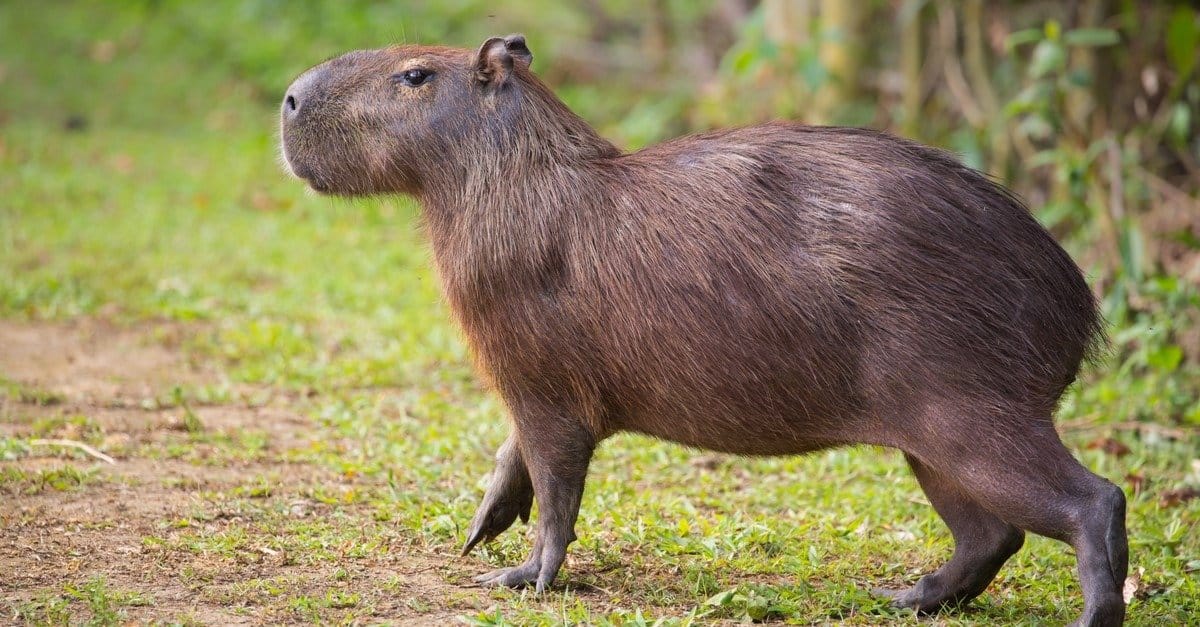
Many people think capybaras live everywhere in South America, but they only thrive in areas with water. Another mistake is believing capybaras can live in deserts or dry forests. Without water and grass, capybaras will not survive.
Credit: a-z-animals.com
Capybara Conservation And Human Impact
Capybara populations are stable in most areas, but there are challenges. In some countries, hunting and habitat loss threaten their numbers. Wetland destruction is a risk, especially in the Amazon and Pantanal. Conservation groups work to protect these habitats and educate local people.
Capybaras are sometimes hunted for meat and skin. In Venezuela, capybara meat is a traditional dish. Laws protect capybaras in many places, but enforcement varies.
Capybara Sightings And Ecotourism
Seeing wild capybaras is a highlight for many tourists in South America. The best places for sightings are the Pantanal in Brazil and the Llanos in Venezuela. Guided tours help visitors spot capybaras and learn about their habits.
Some ecotourism lodges offer boat trips where you can watch capybaras swimming or grazing. These tours support local economies and help protect capybara habitats.

Credit: worldrainforests.com
Capybara Habitat Comparison: Wild Vs. Captive
Compare wild and captive capybara environments:
| Habitat Type | Size | Water Features | Group Size |
|---|---|---|---|
| Wild | Large (open wetlands) | Rivers, lakes | 10-30 |
| Zoo/Farm | Small (enclosures) | Artificial ponds | 2-8 |
Frequently Asked Questions
Where Do Capybaras Live Naturally?
Capybaras live naturally in South American wetlands, riversides, and flooded forests. Brazil, Venezuela, and Argentina have the largest populations.
Can Capybaras Live In Cold Climates?
No, capybaras cannot live in cold climates. They need warm, tropical environments with plenty of water.
Are Capybaras Found Outside South America?
Wild capybaras are only native to South America. However, you can find them in zoos and private collections around the world.
Do Capybaras Live In Groups?
Yes, capybaras are social animals. They live in groups of 10–30 in the wild, which helps protect them from predators.
How Can I See Capybaras In The Wild?
The best places to see wild capybaras are the Pantanal in Brazil and the Llanos in Venezuela. Guided tours offer good chances for sightings.
Capybaras are amazing animals, closely connected to their habitat. If you want to understand where capybaras live, look for wetlands, rivers, and warm climates in South America. Remember, their lives depend on water, grass, and safe places to rest. Protecting these habitats is key for their survival. For more detailed information about capybara habitats and conservation, visit Wikipedia.


