

Have you ever wondered where capybaras live and what makes their homes so special? These gentle giants are the largest rodents on Earth, and their habitats are full of surprises.
If you want to discover the places where capybaras thrive, how they adapt to their environment, and what you might find if you visit their natural homes, this article is made just for you. Keep reading, and you’ll uncover fascinating facts that will change the way you see these amazing creatures forever.
Capybara Habitat Range
The capybara is the largest rodent in the world. It lives mostly near water. This animal likes warm climates and plenty of plants to eat. Its habitat is mostly in South America. Capybaras need places with rivers, lakes, or swamps. They spend much time swimming and resting in water.
Capybaras live in different parts of South America. They can adapt to many wet environments. Understanding their habitat helps us protect these unique creatures.
South American Origins
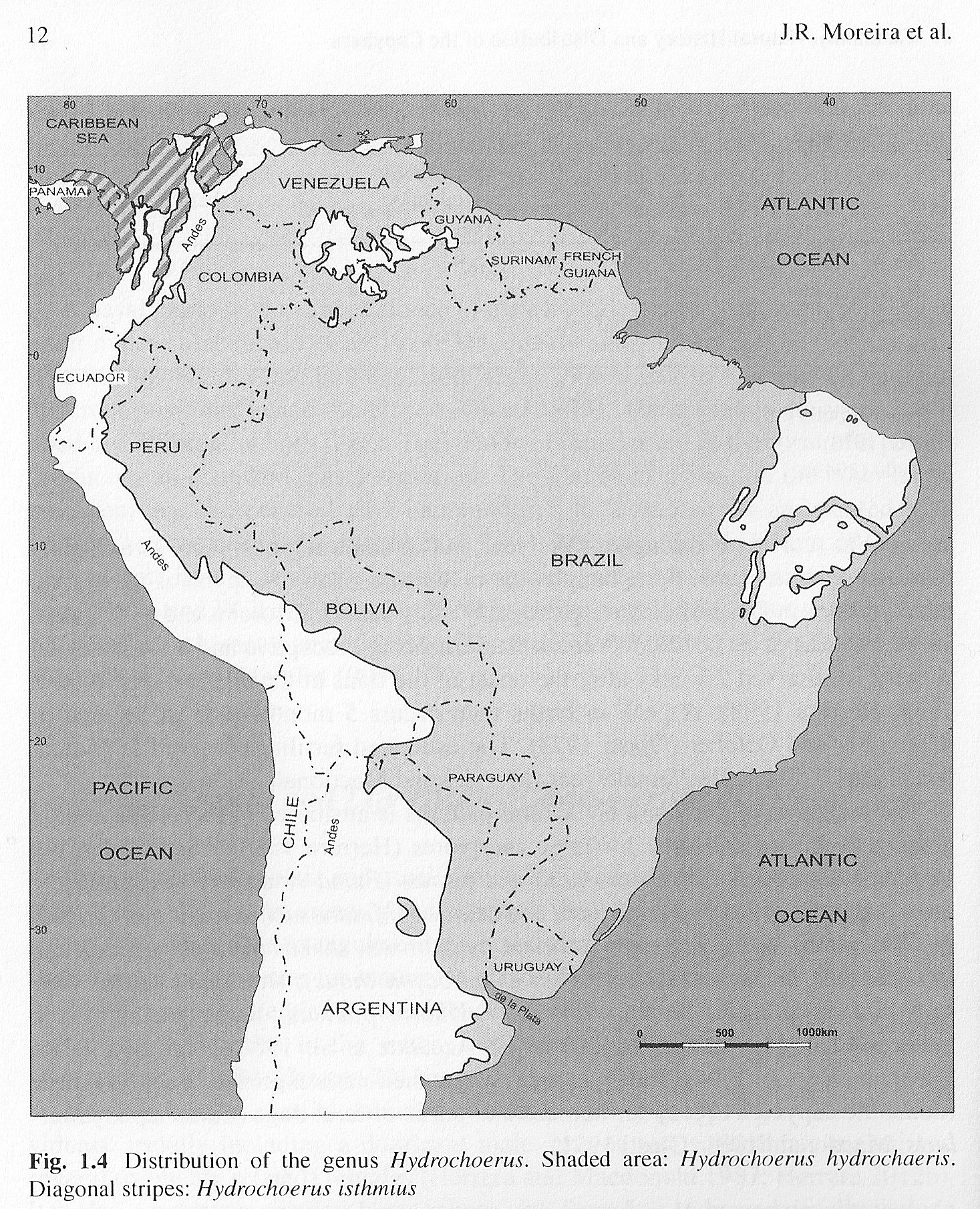
Capybaras come from South America. They first appeared in countries like Brazil and Venezuela. These areas have tropical forests and wetlands. The climate is warm and humid, perfect for capybaras. They also live in grasslands and savannas. Water is always near their homes.
Regions With High Populations
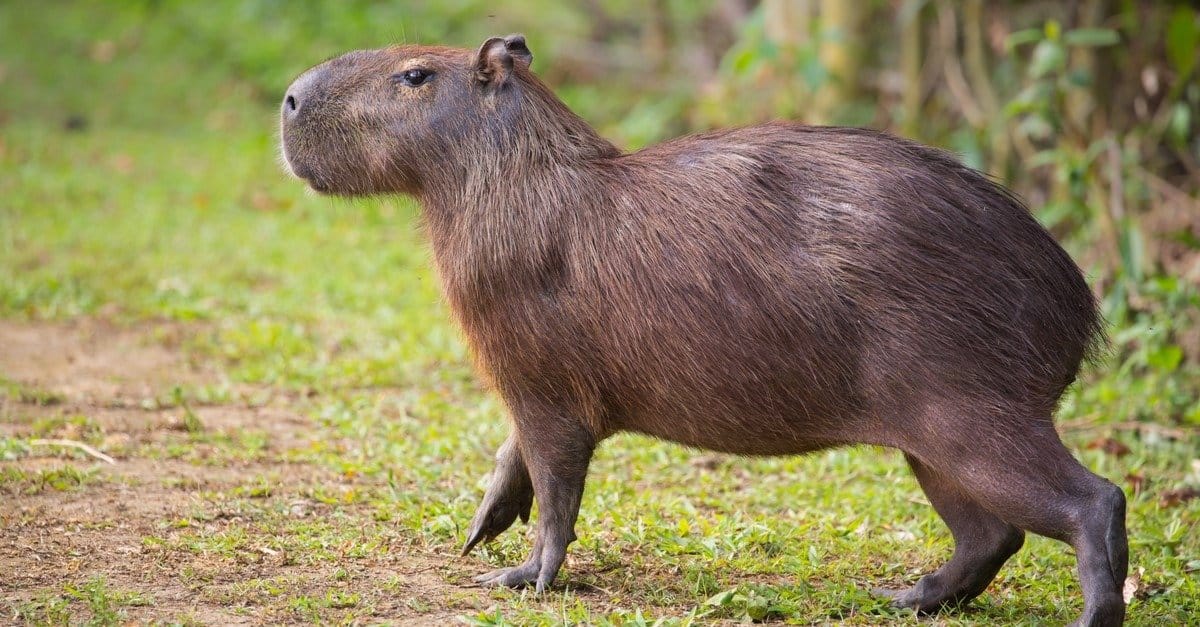
Brazil has the largest number of capybaras. Colombia and Argentina also have many of them. The Pantanal region in Brazil is a key habitat. It is a huge wetland with many rivers and lakes. Capybaras are common there. They also thrive in the Orinoco River basin. These regions offer food, water, and safety.
Credit: a-z-animals.com
Preferred Environments
Capybaras prefer places with water and plants. They need safe spots to eat and hide. Their homes are near water bodies where they find food and shelter. These animals like warm places with plenty of grass and bushes around.
Understanding their favorite environments helps us learn how they live. It also shows why certain areas are perfect for capybaras to thrive.
Wetlands And Riverbanks
Capybaras live near rivers, lakes, and marshes. They enjoy wetlands with slow-moving water. These areas have tall grasses and reeds. Water helps them stay cool and safe from predators. Riverbanks offer soft soil for digging burrows. Wetlands provide plenty of food like aquatic plants. Capybaras swim well and often enter water to escape danger.
Grasslands And Forest Edges
Capybaras also live in open grasslands near forests. These edges give them both food and protection. Grasslands have many plants to eat. Forest edges offer shade and cover. Capybaras rest in bushes during hot days. These spots help them watch for predators. The mix of grass and trees suits their needs well.
Adaptations To Habitat
Capybaras live in areas with lots of water like rivers, lakes, and wetlands. Their bodies and behavior fit well with these watery homes. They have special changes that help them survive and thrive in such places.
These adaptations make capybaras strong swimmers and good at staying safe. They also help capybaras live well with others in groups. These traits show how capybaras fit perfectly into their environment.
Aquatic Lifestyle
Capybaras have webbed feet to swim easily in water. Their eyes and nostrils sit high on the head. This helps them see and breathe while mostly underwater. Their thick fur dries fast, which keeps them warm after swimming. They can hold their breath underwater for up to five minutes. This skill helps them hide from predators and find food.
Social Living Benefits
Capybaras live in groups that can have ten or more members. Group living helps protect them from predators. They warn each other with sounds when danger is near. Social life also helps them find mates and raise young safely. Group members groom each other to stay clean and healthy. This teamwork makes capybaras strong and safe in their watery homes.
Capybaras Outside Native Range
Capybaras naturally live in South America, mostly near rivers and wetlands. Yet, they have appeared in other parts of the world. These animals can adapt to new environments, which helps them survive outside their home range.
People sometimes bring capybaras to different countries as pets or for parks. Some capybaras escape or are released into the wild. This causes new populations to form far from their native lands.
Introduced Populations
Introduced populations of capybaras exist in places like Florida and Japan. These groups started from a few animals that escaped or were set free. They find rivers, lakes, and wetlands to live in.
These capybaras breed and increase in number. They can impact local plants and animals. Scientists watch these populations to understand how they affect new ecosystems.
Urban Encounters
Capybaras sometimes appear in cities near water. In urban parks, they enjoy grassy areas and ponds. People often spot them walking calmly near streets or sidewalks.
These urban encounters surprise many. Capybaras show they can live close to humans. Cities with green spaces and water attract these gentle creatures.
Threats To Natural Habitats
Capybaras live in wetlands, forests, and near rivers. Their homes face serious dangers. These threats hurt their survival and the balance of nature. Understanding these risks helps protect capybaras and their habitats.
Deforestation Impacts
Cutting down trees destroys capybara homes. Forests vanish, leaving no shelter or food. Soil erosion follows, damaging land and water. Animals lose safe spaces to live and breed. The loss of trees also changes local weather. These changes make survival harder for capybaras.
Water Pollution Effects
Dirty water harms capybaras directly. Chemicals and waste poison the rivers and lakes. Polluted water reduces food sources like plants and fish. Capybaras may get sick from toxic water. Clean water is vital for their health and safety. Protecting water quality helps keep capybara populations strong.
Credit: www.reddit.com
Conservation Efforts
Conservation efforts for capybaras focus on protecting their natural homes and involving local people. These efforts help keep capybara populations healthy. They also support the balance of wetland ecosystems where capybaras live.
Protected Areas
Many countries create protected parks and reserves for capybaras. These areas provide safe places free from hunting and habitat loss. Protected wetlands and riverbanks give capybaras space to eat and breed. Strict rules in these zones help maintain clean water and natural plants. This protection helps capybaras avoid dangers from human activities.
Community Involvement
Local communities play a key role in capybara conservation. People learn why capybaras matter to nature and their lives. Some communities start programs to watch capybara families safely. They teach others to stop hunting and harming capybaras. Community support creates respect and care for these animals. This cooperation builds a future where capybaras and people live well together.
Credit: rousfoundation.com
How Capybara World Can Help You with Where Do Capybara Live
Learning More About Capybara Habitats and Conservation
Exploring where capybaras live opens up a world of practical learning opportunities, especially when you consider their preferred environments and the adaptations that help them thrive. For instance, understanding how capybaras depend on wetland ecosystems highlights the importance of protecting these habitats from threats like deforestation and pollution. This connection between habitat and survival is a great jumping-off point for anyone curious about ecology or wildlife conservation.
If you’re interested in diving deeper, studying capybaras outside their native range offers insight into how species adapt to new environments — a fascinating topic for students and wildlife enthusiasts alike. Resources like Capybara World, founded by a wildlife biologist with extensive field experience, provide reliable, science-backed information that can help you learn more about these chill creatures and their ecosystems.
- Examine local wetlands and their role in supporting capybara populations
- Explore conservation efforts aimed at preserving natural habitats
- Observe how capybara adaptations make them unique in their environment
If you have questions or want to connect with fellow capybara fans, reaching out via hello@capybara-world.com can be a friendly way to get expert insights without the fuss.
Frequently Asked Questions
Where Do Capybaras Naturally Live?
Capybaras are native to South America, mainly found in Brazil, Venezuela, Colombia, and Argentina. They thrive in wetlands, rivers, and dense forests near water sources.
What Type Of Habitat Do Capybaras Prefer?
Capybaras prefer wet, grassy habitats like marshes, swamps, and riverbanks. They need water nearby for swimming and protection from predators.
Are Capybaras Found Outside South America?
Capybaras are mostly native to South America but have been introduced to parts of Florida and other warm regions worldwide, often in controlled environments.
How Do Capybaras Adapt To Their Environment?
Capybaras are excellent swimmers, using water to escape predators. Their social nature helps them find food and stay safe in groups.
Conclusion
Capybaras live mostly in South America’s wetlands and forests. They enjoy places with water like rivers, lakes, and marshes. These gentle animals need water to stay safe and cool. They often live in groups, which helps protect them. Knowing where capybaras live helps us understand their habits better.
It also shows how important clean water and nature are for them. Watching capybaras in their home feels like seeing nature’s calm side. Their homes are special places worth protecting.


