

Capybaras are the world’s largest rodents, famous for their calm nature and love for water. But have you ever wondered where capybaras eat? Their eating habits and locations might surprise you. From wild riverbanks to cozy corners in zoos, capybaras have adapted to many environments. Understanding where these gentle giants feed gives us a window into their behavior and survival strategies.
Capybaras In The Wild: Natural Dining Spots
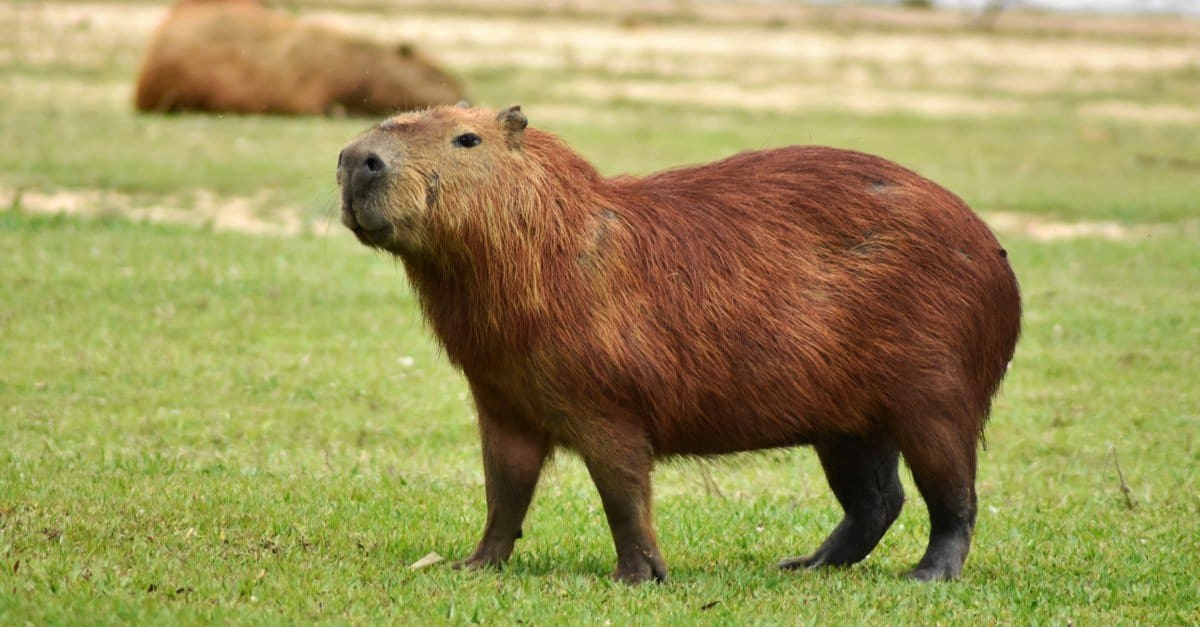
In the wild, capybaras are found across South America, especially in countries like Brazil, Venezuela, and Colombia. They prefer areas near water—rivers, lakes, marshes, and flooded grasslands. This closeness to water isn’t just for swimming; it’s key to their eating habits.
Capybaras are grazers. They eat mainly on land, but always stay near water for safety. Their typical dining spots include:
- Riverbanks: Capybaras often graze on grass right beside the water. The lush plants here are their main food.
- Flooded Plains: Seasonal floods bring new grasses, making these areas a rich buffet.
- Marsh Edges: Swampy areas with soft ground have different plants, offering variety.
Capybaras usually feed in small groups, rarely straying far from water. If threatened, they can quickly dash into the water to escape predators like jaguars or caimans.
What Capybaras Eat In Their Favorite Places
The location shapes their menu. In open wild areas, capybaras mostly eat grasses, but they’ll also nibble on aquatic plants, fruits, and tree bark if available. Their favorite grasses include:
- Paspalum grass
- Bermuda grass
- Sugar cane leaves (if found near plantations)
Capybaras eat during early morning and late afternoon. This helps them avoid the midday heat and predators. At night, they often rest in the same spots where they feed.
Here’s a quick look at their wild menu:
| Food Type | Example Plants | Where Found |
|---|---|---|
| Grasses | Paspalum, Bermuda | Riverbanks, Grasslands |
| Aquatic Plants | Water hyacinth | Marshes, Lakes |
| Fruits | Wild melons, Berries | Forest edges |
| Bark & Reeds | Young trees, Reeds | Flooded forests |

Credit: petcapybara.com
Where Capybaras Eat In Captivity
In zoos and on farms, the capybara dining experience is quite different. While they still love to eat near water, their food and feeding places are carefully managed.
Most zoos provide grassy enclosures with ponds or pools. Capybaras will usually eat:
- In shaded grassy areas
- Near or even in the water, especially during hot weather
- At feeding stations set up by zookeepers
Zoos mimic the wild by offering piles of fresh grass, hay, and vegetables close to water sources. Capybaras may even eat floating greens while relaxing in a pond.
On farms, capybaras are sometimes raised for meat or as pets. They eat in fenced pastures, often with easy access to a pond. Farmers provide:
- Fresh-cut grass
- Corn stalks
- Root vegetables
- Pelleted food
Some capybaras develop favorites, choosing shady corners or spots near fences to eat. Still, they feel safest when they can see water nearby.
How The Season Changes Where Capybaras Eat
The location of capybara meals changes with the weather. In the wet season, new areas flood, creating fresh feeding grounds. In the dry season, water sources shrink, so capybaras gather at the few remaining rivers and lakes.
Wild capybara groups move to follow food and water. This means they might eat in one place during the wet season and another during the dry. Competition for food can be tough in dry times, so they may eat earlier or later in the day to avoid other animals.
Here’s how their feeding spots change with the seasons:
| Season | Main Feeding Location | Key Food |
|---|---|---|
| Wet Season | Flooded grasslands, marshes | Fresh grasses, aquatic plants |
| Dry Season | Riverbanks, lake edges | Dried grasses, tree bark |
Credit: a-z-animals.com
Social Dining: Capybara Group Eating Habits
Capybaras are very social animals. They often eat together in groups ranging from 10 to 20 individuals, sometimes even larger. Group eating isn’t just about sharing food—it’s about safety.
When capybaras eat together:
- One or two adults act as lookouts while others graze.
- Young capybaras learn what is safe to eat by watching adults.
- If danger appears, the whole group can escape quickly to water.
Capybaras rarely fight over food because their main foods—grasses and plants—are usually plentiful. However, in captivity, zookeepers sometimes spread food across different spots to prevent crowding.
Capybaras And Human Impact On Feeding Places
Humans have changed many capybara habitats. Farms and cities sometimes replace wild feeding grounds. Capybaras adapt by eating in sugar cane fields, rice paddies, or along irrigation canals. This can cause conflict, as farmers may see them as pests.
In parks and reserves, capybaras often feed on lawns and gardens. People sometimes feed capybaras directly, which can change their natural habits. Experts warn that regular human feeding can make capybaras dependent and less healthy.
Here is a comparison between wild and human-impacted feeding locations:
| Feeding Spot | Benefits for Capybara | Risks/Challenges |
|---|---|---|
| Wild riverbanks | Natural food, safety, social groups | Predators, seasonal changes |
| Farm fields | Plenty of crops, easy access | Humans, pesticides, fences |
| City parks | Lawns, human feeding | Cars, dogs, unhealthy foods |
Surprising Capybara Eating Facts
Most people don’t realize capybaras sometimes eat their own poop. This behavior, called coprophagy, helps them digest tough plant fibers. They usually do this in quiet, hidden spots near where they graze.
Another fact: Capybaras can eat underwater. They sometimes nibble on submerged plants, using their sharp teeth to cut through tough stems.
Why Understanding Capybara Eating Places Matters
Knowing where capybaras eat helps us protect their habitats. Wetlands and riverbanks are vital not just for food but also for capybara survival. When these areas disappear, so do the safe dining spots capybaras need.
If you want to see capybaras eating in the wild, look near quiet rivers or marshes—especially early in the morning or late afternoon. In zoos, watch how they prefer spots near water, just like in nature.
For more details on capybara habitat and feeding behavior, you can check the Wikipedia Capybara page.

Credit: petcapybara.com
Frequently Asked Questions
Where Do Capybaras Eat Most Often?
Capybaras eat most often on riverbanks, marsh edges, and grassy fields near water. Safety and easy access to food are the main reasons.
Do Capybaras Eat In The Water?
Yes, capybaras sometimes eat aquatic plants underwater. However, most of their feeding happens on land close to water.
What Do Capybaras Eat In Zoos?
In zoos, capybaras eat a mix of grasses, hay, vegetables, and special pellets. Their food is placed near water to mimic their natural habits.
Are Capybaras Dangerous To Crops?
Capybaras can damage crops when their natural feeding places are lost. They are known to eat sugar cane, rice, and other field plants if these are nearby.
Do Capybaras Eat Alone Or In Groups?
Capybaras usually eat in groups. Eating together helps protect them from predators and teaches young capybaras what to eat.
Capybaras are fascinating animals whose eating spots reveal much about their social life and survival. Whether in the wild or a zoo, their connection to water and group safety shapes every meal. Watching them eat is a reminder of how animals adapt to their world—and how important it is to protect their habitats.


