

Capybaras are the world’s largest rodents, and they have a unique charm that has made them popular across the globe. People often wonder, “Where do capybaras live? ” Understanding their natural habitat helps explain their behavior, social life, and even their role in the ecosystem.
A map of their range makes it clear how these gentle giants have adapted to different landscapes. Let’s explore the regions capybaras call home, how they thrive there, and what makes their habitats so special.
Capybara Habitat: The Natural Range
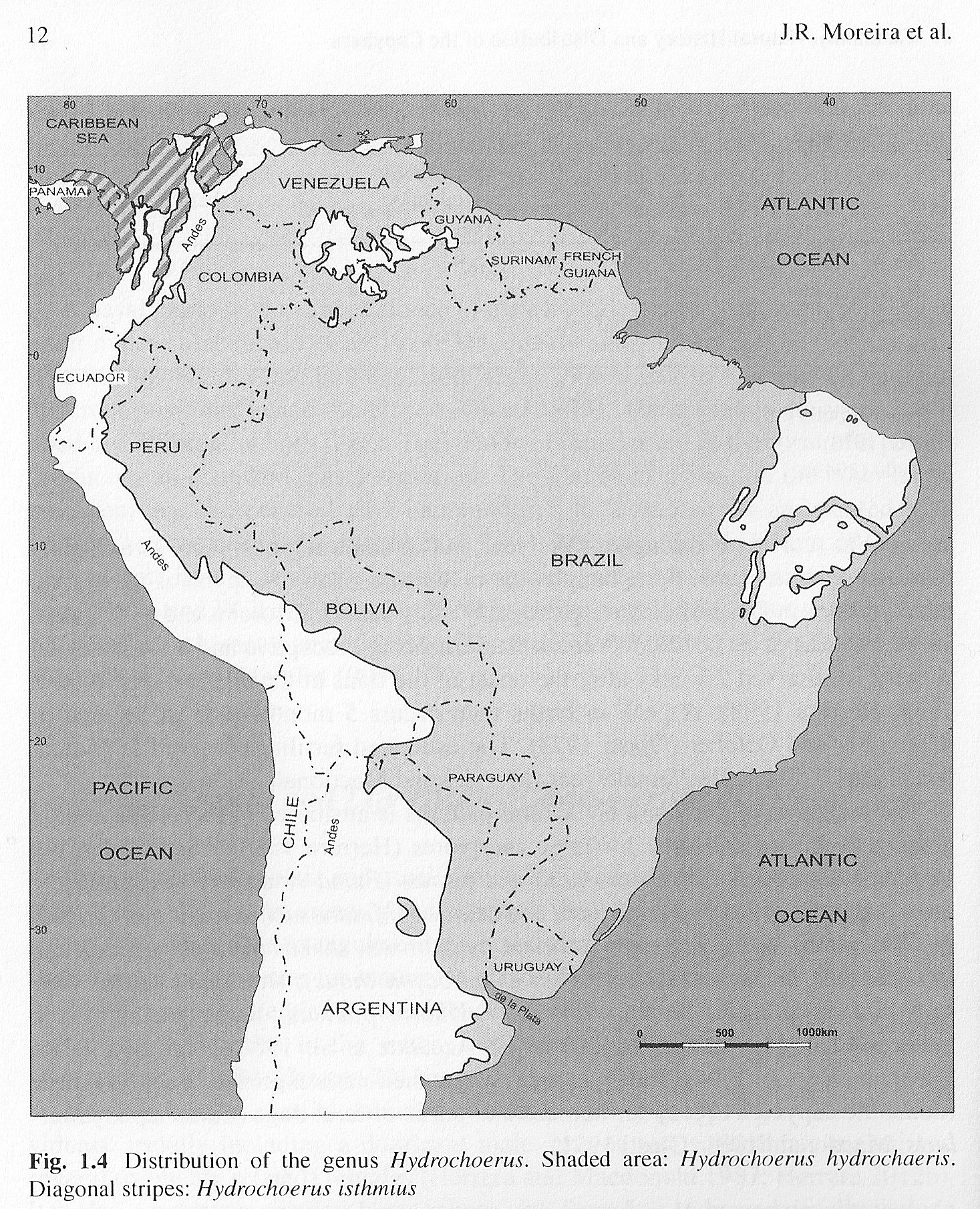
Capybaras are native to South America. Their range stretches across a huge part of the continent, covering both tropical and subtropical areas. You can find capybaras in:
- Brazil
- Venezuela
- Colombia
- Argentina
- Paraguay
- Uruguay
- Bolivia
- Parts of Peru and Ecuador
- Eastern Panama (southernmost Central America)
These countries make up the main capybara habitat, but the largest populations are in Brazil, Venezuela, and Colombia. If you look at a map of South America, nearly every country east of the Andes Mountains can have wild capybaras—especially near rivers and wetlands.
Preferred Environments
Capybaras are semi-aquatic mammals. They spend much of their life close to water because it’s essential for their survival. The best places to spot capybaras include:
- Flooded grasslands
- Riverbanks
- Swamps
- Marshes
- Lakeshores
- Slow-moving streams
These wetlands provide both food and safety. Capybaras eat grasses and aquatic plants, which are abundant in these areas. Water also helps them escape from predators like jaguars and caimans.
Capybara Range Map: Key Zones
A visual map helps to see where capybaras actually live. Here’s a comparison of countries with significant capybara populations:
| Country | Capybara Population | Main Habitat Types |
|---|---|---|
| Brazil | Very High | Wetlands, Rivers, Pantanal |
| Venezuela | High | Llanos, Marshes |
| Colombia | High | Riverbanks, Grasslands |
| Argentina | Moderate | Swamps, Wet Prairies |
| Paraguay | Moderate | Lakeshores, Streams |
| Uruguay | Lower | Wetlands, Rivers |
The Pantanal in Brazil is one of the most important capybara habitats. This area is the world’s largest tropical wetland, and it supports huge herds of capybaras.
How Capybaras Adapt To Their Environment
Capybaras are experts at living near water. Here’s how they adapt:
- Webbed feet help them swim and move in muddy areas.
- Their eyes, ears, and nostrils are on top of their heads, so they can stay mostly underwater and still breathe or watch for danger.
- Capybaras can hold their breath for up to five minutes under water.
- Their coarse fur dries quickly, which is helpful after swimming.
These adaptations let capybaras escape from threats and stay cool during hot days.
Credit: www.reddit.com
Capybara Populations In Human-altered Landscapes
While capybaras prefer wild wetlands, they can also survive in areas changed by humans. In some parts of South America:
- Capybaras live near rice fields and cattle ranches.
- They use irrigation canals as water sources.
- In urban areas near rivers, capybaras sometimes visit parks or golf courses.
This flexibility helps capybaras avoid extinction, even as natural habitats shrink.
Capybaras Outside Their Native Range
Capybaras are sometimes found outside South America, but only in small, introduced populations. For example:
- In Florida, USA, a few escaped capybaras have survived in the wild.
- In Japan, some zoos and animal parks keep capybaras, and small groups have been seen living near hot springs.
These populations are not natural and usually stay small due to cold weather or lack of suitable habitat.
Capybara Habitat Compared To Other Rodents
Capybaras are not the only rodents living near water. Here is a comparison with other large rodents:
| Rodent | Native Region | Habitat |
|---|---|---|
| Capybara | South America | Wetlands, Rivers |
| Beaver | North America, Europe | Streams, Ponds, Forests |
| Nutria | South America | Marshes, Swamps |
Capybaras are unique in their size and strong social behavior, but they share their love of water with other rodents.
Conservation And Threats
Overall, capybaras are not endangered. Their wide range and ability to live near humans help keep their numbers stable. However, they do face some problems:
- Habitat loss from farming and urban growth.
- Hunting for meat and hides, especially in Venezuela and Brazil.
- Pollution of water sources.
Conservation efforts focus on protecting wetlands and regulating hunting. In some places, local laws protect capybaras, while in others, they are managed as a resource.

Credit: www.reddit.com
Why Capybara Distribution Matters
Understanding where capybaras live is important for several reasons:
- It helps scientists track changes in ecosystems.
- It shows how animals can adapt to climate change and human activity.
- It teaches us about the importance of wetlands for wildlife.
Sometimes, beginners miss the fact that capybaras’ range is affected by seasonal flooding. In dry months, they may move closer to permanent water sources. Also, people often think capybaras are only found in jungles, but they actually prefer open, grassy wetlands.
Frequently Asked Questions
Where Are Capybaras Most Common?
Capybaras are most common in Brazil, especially in the Pantanal region. Large populations also live in Venezuela and Colombia.
Can Capybaras Live In Cold Climates?
No, capybaras need warm temperatures and easy access to water. They do not survive well in cold or dry areas.
Do Capybaras Live In Groups Or Alone?
Capybaras are highly social. They usually live in groups of 10–20, but sometimes herds can have up to 100 animals during the dry season.
What Threats Do Capybaras Face?
Main threats are habitat loss, hunting, and water pollution. Some areas also face problems from overpopulation near farms.
Where Can I See Capybaras In The Wild?
The best places are national parks and wildlife reserves in Brazil, Venezuela, and Colombia. The Pantanal is famous for easy capybara sightings.
Capybaras have a wide and interesting range, but their love of water is the key to their survival. As South America continues to change, these gentle giants will keep adapting, reminding us how important natural habitats are for all creatures.
Credit: rousfoundation.com


