

Capybaras are fascinating animals that often surprise people with their unique habits and social lives. Many people want to know, where do capybaras live? This question opens a window into their natural world, their favorite places, and how they have become so popular—even outside their home range. Let’s explore the real homes of capybaras, the environments they need, and some unexpected facts that most beginners don’t know.
The Natural Habitat Of Capybaras
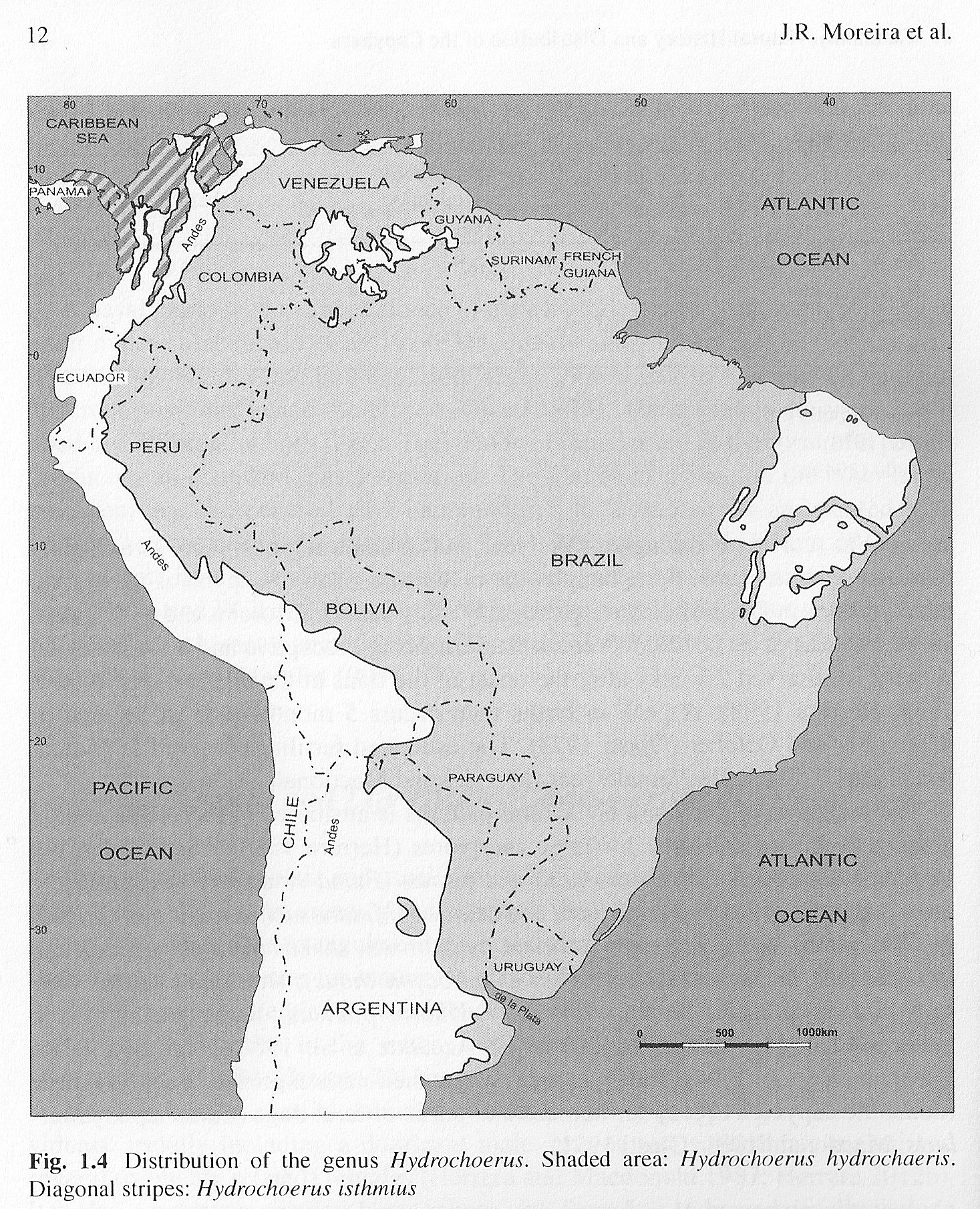
Capybaras are native to South America. You will find them in countries like Brazil, Venezuela, Colombia, Argentina, Paraguay, Peru, and Uruguay. They prefer areas where water is always nearby. Rivers, swamps, ponds, lakes, and flooded grasslands are perfect for them.
These places are called wetlands. Capybaras need wetlands because they are excellent swimmers. Water helps them stay safe from predators and cool down during hot days. Most capybara groups live in lowland areas, rarely above 1,300 meters (4,265 feet) in elevation.
Key Environments
- Flooded savannas: Like the Brazilian Pantanal, which floods seasonally and is rich in plants.
- Riverbanks and lakeshores: Capybaras love grassy banks with easy access to water.
- Marshy forests: Areas with soft, muddy ground and thick plants.
If you visit a South American wetland, look for groups of capybaras resting by the water or swimming together. They are rarely alone. A group may have 10–20 animals, but sometimes groups can be as large as 100.
Capybaras Around The World
While their natural home is South America, capybaras have also found places to live outside this continent. Some are kept in zoos and parks, while a few wild populations have started in other countries.
Capybaras As Pets
In some parts of North America, Europe, and Asia, people keep capybaras as exotic pets. However, these animals need a lot of space, water, and company. Most experts do not recommend keeping them as pets unless you can provide a large, secure, and wet environment.
Introduced Populations
Capybaras have been introduced, sometimes by accident, to new areas:
- Florida, USA: Small wild populations have been reported, but they have not spread widely.
- Japan: Capybaras are popular in zoos and animal parks, where they enjoy hot spring baths. They do not live wild in Japan, but their popularity has grown thanks to social media.
Here is a quick comparison of capybara habitats in different regions:
| Region | Habitat Type | Status |
|---|---|---|
| South America | Wetlands, rivers, grasslands | Native, abundant |
| Florida (USA) | Wetlands, swamps | Introduced, limited |
| Japan | Zoos, parks | Captive, popular |

Credit: www.reddit.com
What Makes A Good Capybara Habitat?
Capybaras have very specific needs when it comes to their living spaces. They cannot survive just anywhere. Here’s what they look for:
- Freshwater Access: Capybaras spend much of their time in or near water. They swim to escape predators and cool off.
- Dense Vegetation: They eat grasses, water plants, and sometimes fruit. Thick plant growth offers both food and shelter.
- Open Spaces: Capybaras need room to move in groups. Open banks or fields make it easier to spot danger.
- Soft Ground: Muddy or soft soils help them walk and dig, and it’s gentler on their feet.
A common mistake is thinking capybaras can live happily in small, dry enclosures. Without water and enough space, they become stressed and sick.
Let’s compare some key features of wild vs. captive habitats:
| Feature | Wild Habitat | Captive Habitat |
|---|---|---|
| Water Source | Natural rivers, lakes | Artificial ponds, pools |
| Space | Large, open areas | Often limited |
| Vegetation | Native grasses, plants | Varied, sometimes supplemented |
| Group Size | 10–20 (up to 100) | Usually small |
How Capybaras Adapt To Their Environment
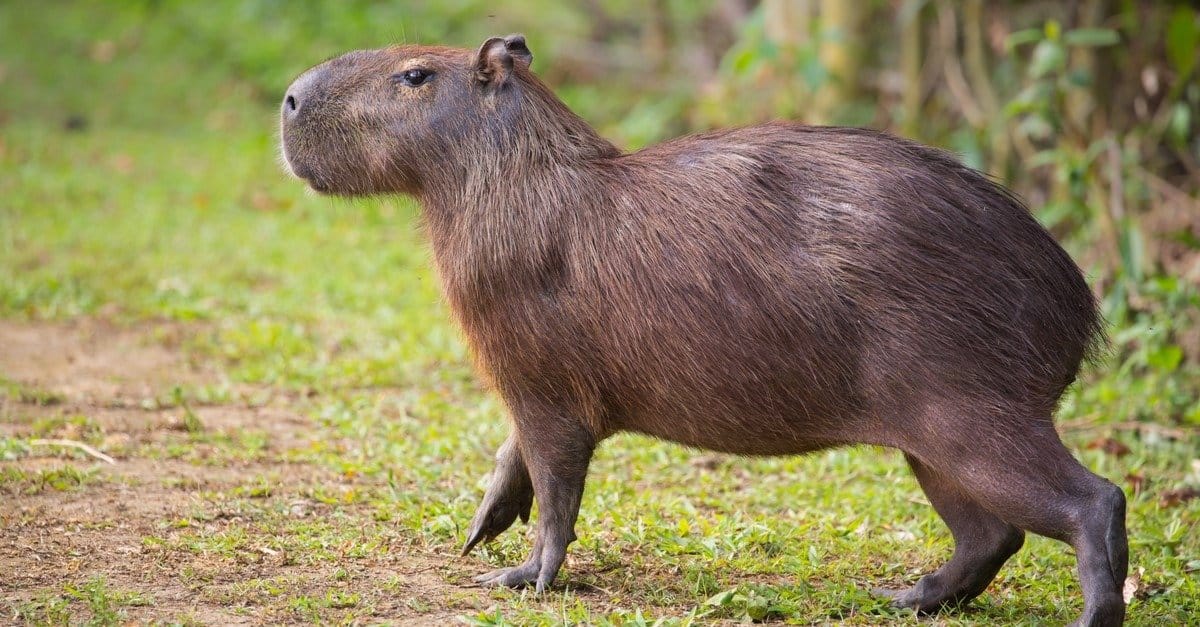
Capybaras are very good at adapting to changes in their environment, but only up to a point. They can survive floods, dry seasons, and predators. When water is low, they move to new places. During the dry season, they stay near permanent water sources.
One surprising insight is that capybaras also use mud and water to control pests. They roll in mud to keep away ticks and other bugs—a natural trick for staying healthy.
But there are limits. If wetlands are destroyed, or if water becomes polluted, capybaras cannot survive. This is why protecting their habitat is so important.
Credit: a-z-animals.com
Social Life And Territory
Capybaras are not just about where they live, but also how they live. They are social animals, always in groups. A group will claim a territory, usually along a stretch of river or lake. They mark this area with scent and defend it from other groups.
Each group has one dominant male, several females, and their young. Sometimes, a few subordinate males join the group. The territory needs enough food and water for everyone. If resources are low, groups can split or move.
Human Impact And Conservation
Today, the biggest threat to capybaras is habitat loss. Wetlands are drained for farming or construction. Pollution and hunting also cause problems in some regions.
Despite these threats, capybaras are not currently endangered. Their populations are stable in most places. In fact, they are sometimes hunted for meat and skin, but strict rules protect them in many countries.
Conservation groups work to protect large wetland areas, which helps not only capybaras but also many other animals. If you want to learn more about wetland conservation, the World Wildlife Fund offers detailed information.
Credit: rousfoundation.com
Frequently Asked Questions
Where Are Capybaras Most Commonly Found?
Capybaras are most common in the wetlands and lowland rivers of Brazil, Venezuela, and Colombia. These countries have large areas of suitable habitat and healthy populations.
Can Capybaras Live In Cold Climates?
No, capybaras are not suited to cold climates. They need warm temperatures and access to water. In zoos outside South America, they need heated shelters in winter.
Do Capybaras Live Alone Or In Groups?
They almost always live in groups. Group living helps protect them from predators and allows them to share resources.
Are There Wild Capybaras Outside South America?
Some small populations exist in places like Florida, but they are not widespread. Most capybaras outside South America live in captivity.
What Happens If A Capybara Loses Its Habitat?
If capybaras lose their wetland habitat, they struggle to survive. They may try to move, but if water and food are not available, they cannot thrive and may die out in that area.
Capybaras remind us how important healthy wetlands are—not just for them, but for many animals. By understanding where capybaras live and what they need, we can help protect their world for the future.


