

Capybaras are the largest rodents in the world. They look like giant guinea pigs. Many people wonder where capybaras live. This article will tell you all about their homes. You will learn about the places they like and how they live there.
What Is a Capybara?
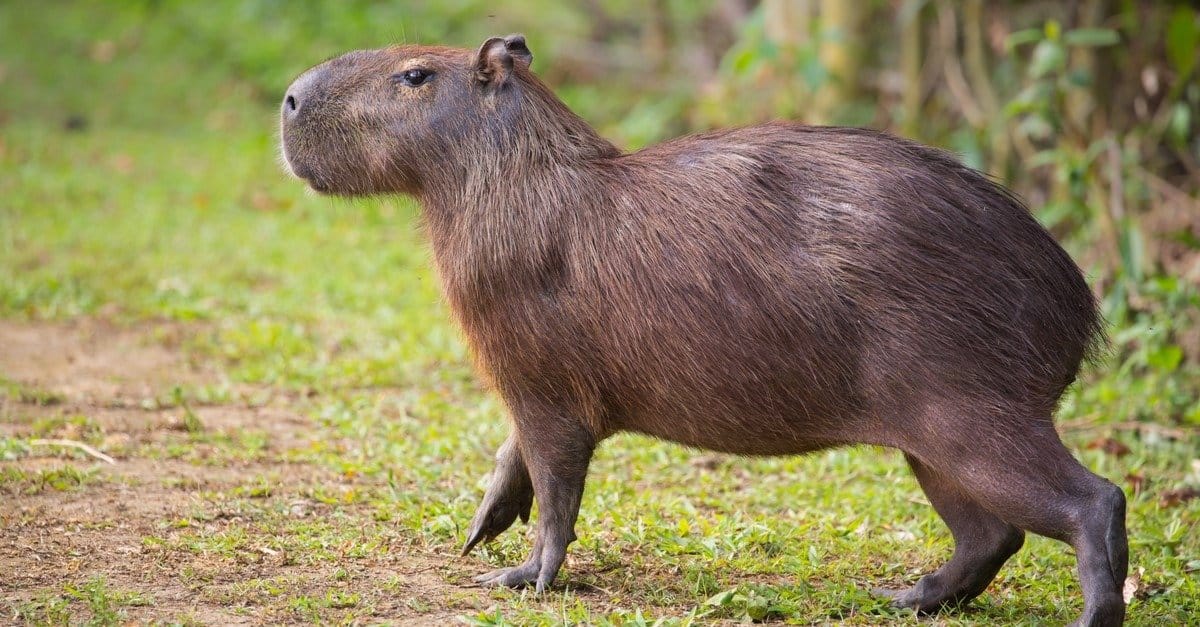
Before we talk about where capybaras live, let’s know what they are. Capybaras are animals that belong to the rodent family. They have short brown fur and big bodies. They can weigh up to 140 pounds. Capybaras love water. They are good swimmers and spend much time near water.
Natural Habitat of Capybaras
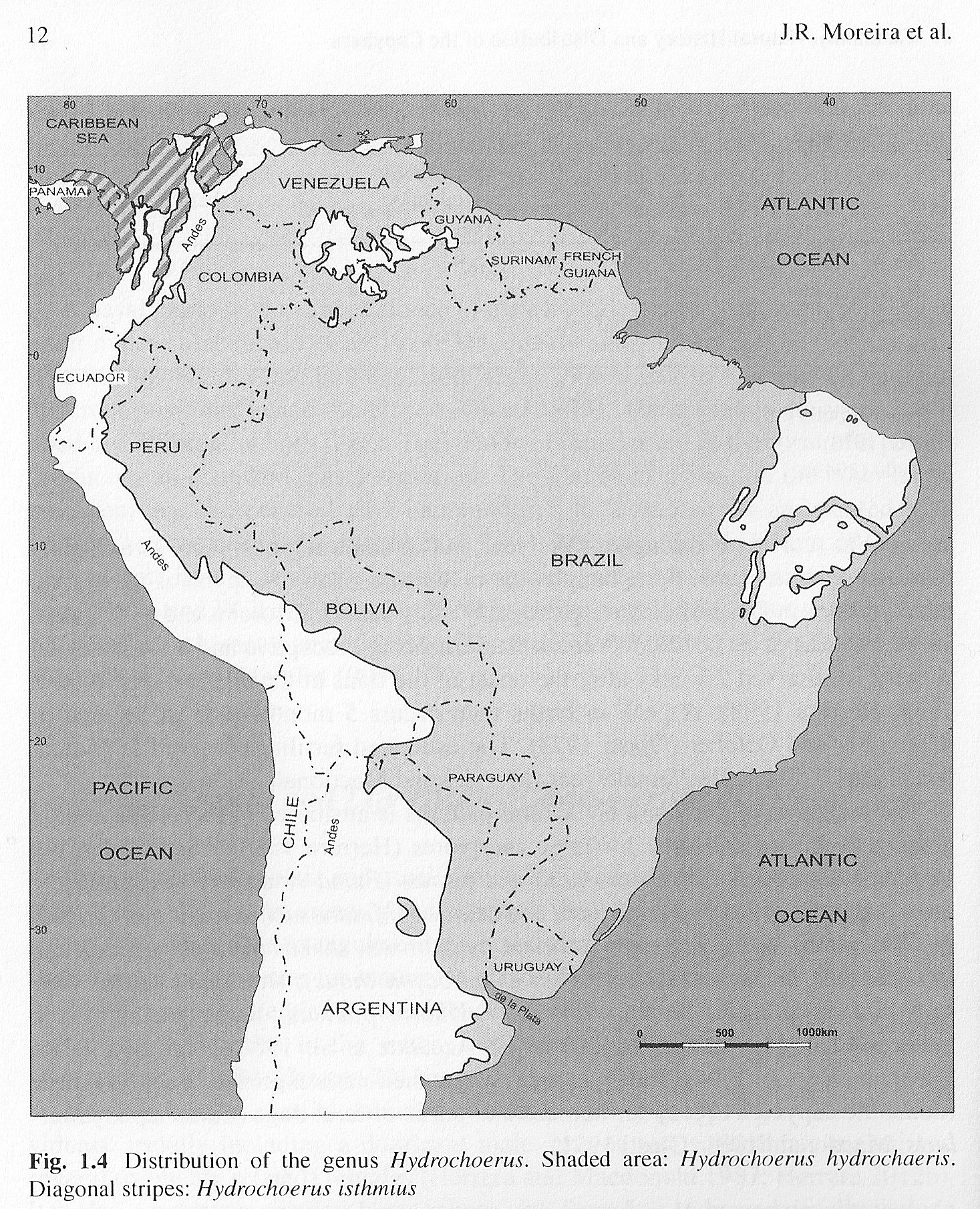
Capybaras live in many parts of South America. They like warm places with lots of water. They live near rivers, lakes, and wetlands. These places give them food and safety.
Countries Where Capybaras Live
- Brazil
- Venezuela
- Colombia
- Argentina
- Peru
- Paraguay
- Uruguay
These countries have big forests and many water sources. This is good for capybaras.
Type Of Environment They Like
Capybaras love wet areas. They live in:
- Swamps
- Marshes
- Riverbanks
- Flooded grasslands
These areas have tall grass and water plants. Capybaras eat these plants. The water also helps them hide from animals that want to eat them.
How Capybaras Use Water
Water is very important for capybaras. They are strong swimmers. They can stay underwater for up to five minutes. This helps them escape from danger.
Capybaras often sleep near water. When they feel scared, they jump into the water. They can also find food in water plants.
Capybara Social Life and Homes
Capybaras live in groups. These groups can have 10 to 20 capybaras. Sometimes, groups are even bigger. Living in groups helps them stay safe.
They make their homes near water. Their homes are simple. They do not dig deep holes. They rest in tall grass or near tree roots close to water.
How They Protect Themselves
Capybaras use water and group living to stay safe. They watch for danger together. If one capybara sees a predator, it makes a sound. Then all capybaras quickly hide in the water.
Credit: rousfoundation.com
Capybaras and Human Areas
Sometimes, capybaras live near farms and towns. They like places with water and grass. But, people do not always welcome them. This is because capybaras can eat crops.
In some places, people protect capybaras. They know these animals are part of nature. But in other places, capybaras face danger from hunters or loss of habitat.
Summary Table: Where Capybaras Live
| Feature | Description |
|---|---|
| Region | South America |
| Countries | Brazil, Venezuela, Colombia, Argentina, Peru, Paraguay, Uruguay |
| Habitats | Swamps, marshes, riverbanks, flooded grasslands |
| Group Size | 10 to 20 capybaras (sometimes more) |
| Water Use | Strong swimmers, stay underwater for 5 minutes |
Credit: a-z-animals.com
Why Capybaras Need Their Natural Homes
Capybaras need water and plants to live. Their homes give them food and safety. If their homes disappear, capybaras may have a hard time surviving.
Protecting their habitats is important. It helps capybaras and other animals. It keeps the environment healthy.
Interesting Facts About Capybara Homes
- Capybaras often sleep close to water.
- They use water to cool down during hot days.
- Capybaras can run fast but prefer swimming to escape predators.
- Their homes are simple but near safe water spots.
Frequently Asked Questions
Where Do Capybaras Naturally Live?
Capybaras live in South America, mainly near rivers and lakes. They prefer wet, grassy areas with lots of water.
What Type Of Habitat Do Capybaras Prefer?
Capybaras like wetlands, marshes, and dense forests close to water. These places help them stay safe and find food easily.
Can Capybaras Live In Dry Areas?
No, capybaras need water to survive and stay cool. Dry areas do not provide the moisture or plants they eat.
Are Capybaras Found Outside South America?
Wild capybaras are native only to South America. Some live in zoos or farms worldwide but not naturally in other continents.
Conclusion
Now you know where capybaras live. They live in South America in wet, warm places. Water is very important to them. They live in groups and use water for safety. Protecting their homes is key to their survival. Capybaras are amazing animals that show how nature and water work together.


