

Capybaras are famous for their calm nature and social lifestyle. Many people see cute photos of these large rodents relaxing in hot springs or swimming with ducks, but not everyone knows where they actually live in the wild. Understanding the natural habitat of capybaras helps us learn how they survive, what makes them special, and why they are such an important part of their environment.
The Native Range Of Capybaras
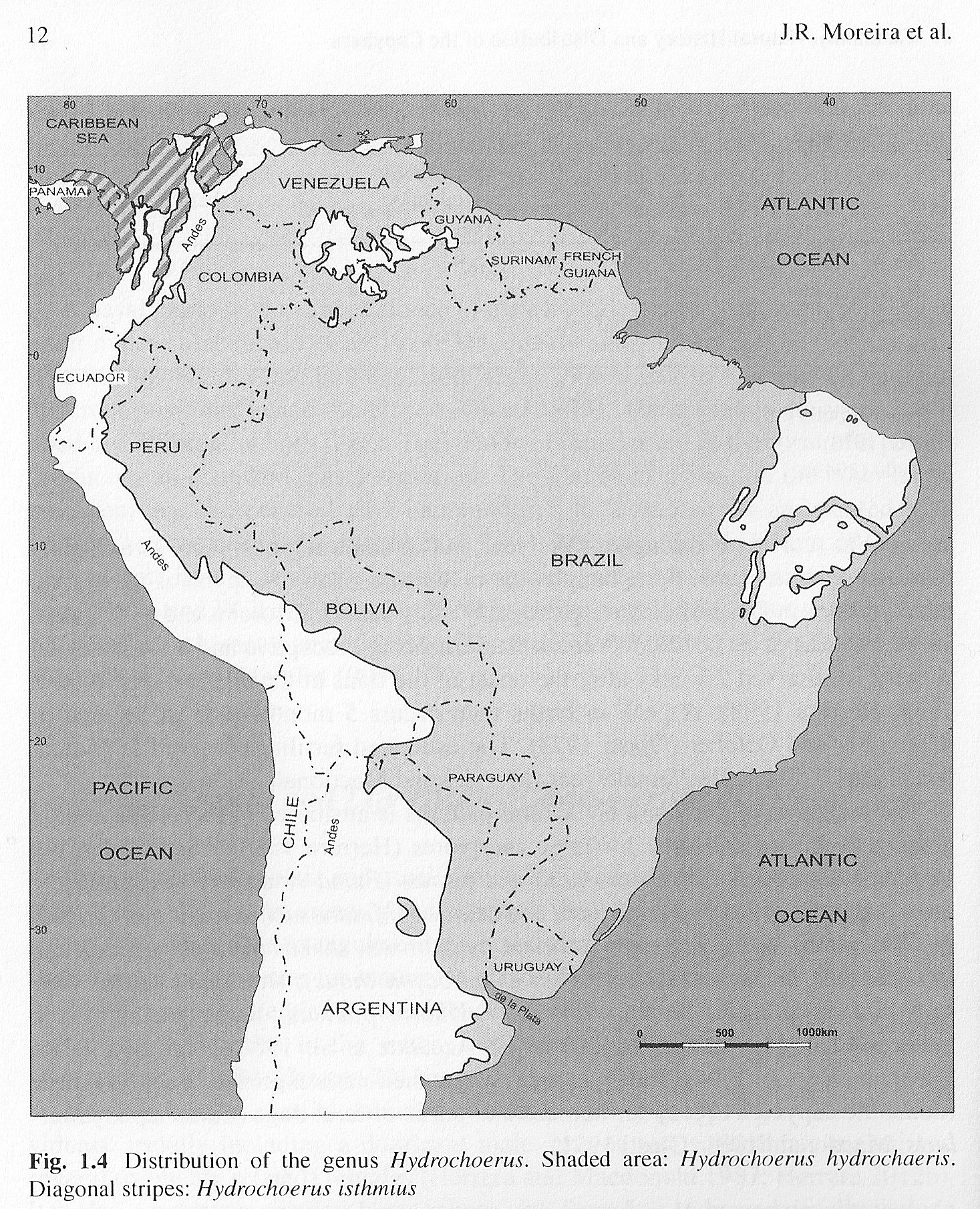
Capybaras are native to South America. You can find them in many countries, especially in places with lots of water. Their range stretches from the north in Venezuela and Colombia to the south in Argentina and Uruguay. They also live in Brazil, Peru, Paraguay, Ecuador, Bolivia, and parts of Guyana. Capybaras do not live naturally in Central America, North America, or outside this region, except where people have brought them.
Some capybara populations have appeared in the southern United States, especially in Florida, but these are not native. They escaped from captivity or were released. Most do not survive long because the climate and predators are different.
Natural Habitats
Capybaras are semi-aquatic animals. This means they spend a lot of time both on land and in water. They need places with easy access to fresh water, as it is essential for their survival. Here are the main types of habitats where you will find capybaras:
Wetlands
Wetlands are the most common home for capybaras. These include swamps, marshes, and flooded plains. Wetlands are perfect because they offer lots of water and thick plants for cover. Capybaras use the water to escape from predators, cool down in hot weather, and find their favorite foods.
Rivers And Lakes
Capybaras are often seen along the banks of rivers and lakes. They prefer slow-moving or still water, where they can swim and feed safely. Rivers in the Amazon and Orinoco basins are especially rich in capybara populations.
Forests With Water Sources
You can also find capybaras in forests, as long as there is a pond, stream, or seasonal flood nearby. They do not live deep inside dry forests or far from water, because they need to swim, drink, and escape danger.
Grasslands And Savannas
In South America, there are large areas of savanna or grassland. If these lands are close to rivers or have seasonal flooding, capybaras will be present. The thick grass gives them food and hiding spots.
Credit: www.rainforest-alliance.org
Climate And Environmental Needs
Capybaras prefer tropical and subtropical climates. They thrive in temperatures from 20°C to 35°C (68°F to 95°F). They do not do well in cold or dry environments. If the weather gets too dry, capybaras may travel long distances to find water.
Capybaras are mostly active in the early morning and late afternoon, when the temperature is comfortable. During hot midday hours, they rest in water or shade.
How Capybaras Adapt To Their Environment
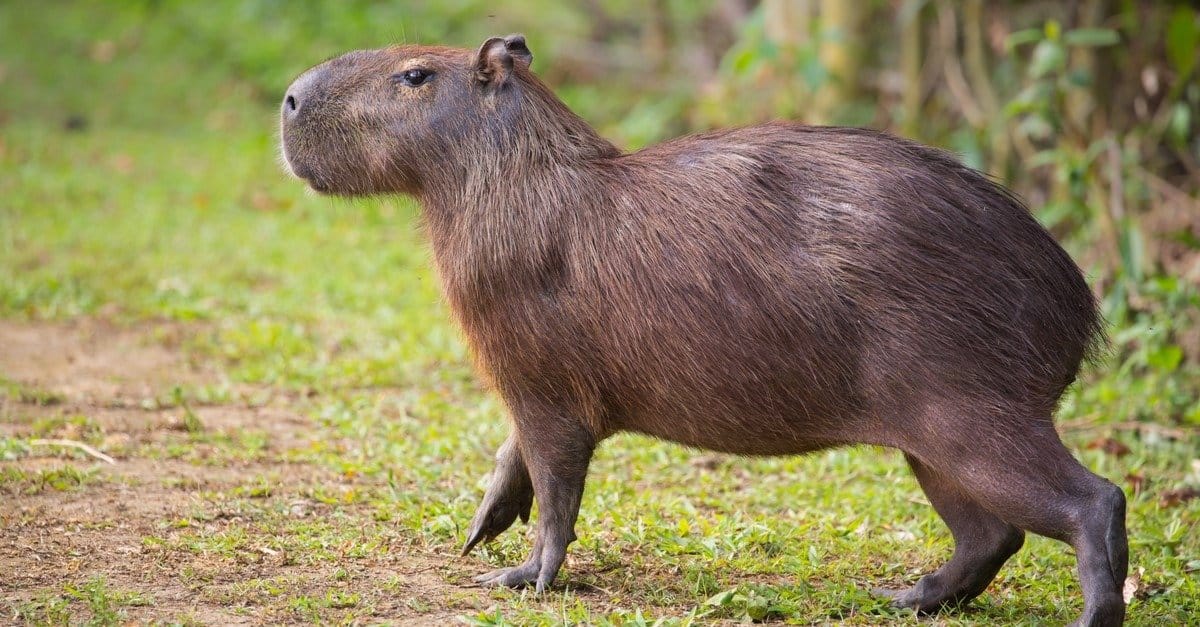
Capybaras have several special features that help them live in wet environments:
- Webbed feet for swimming
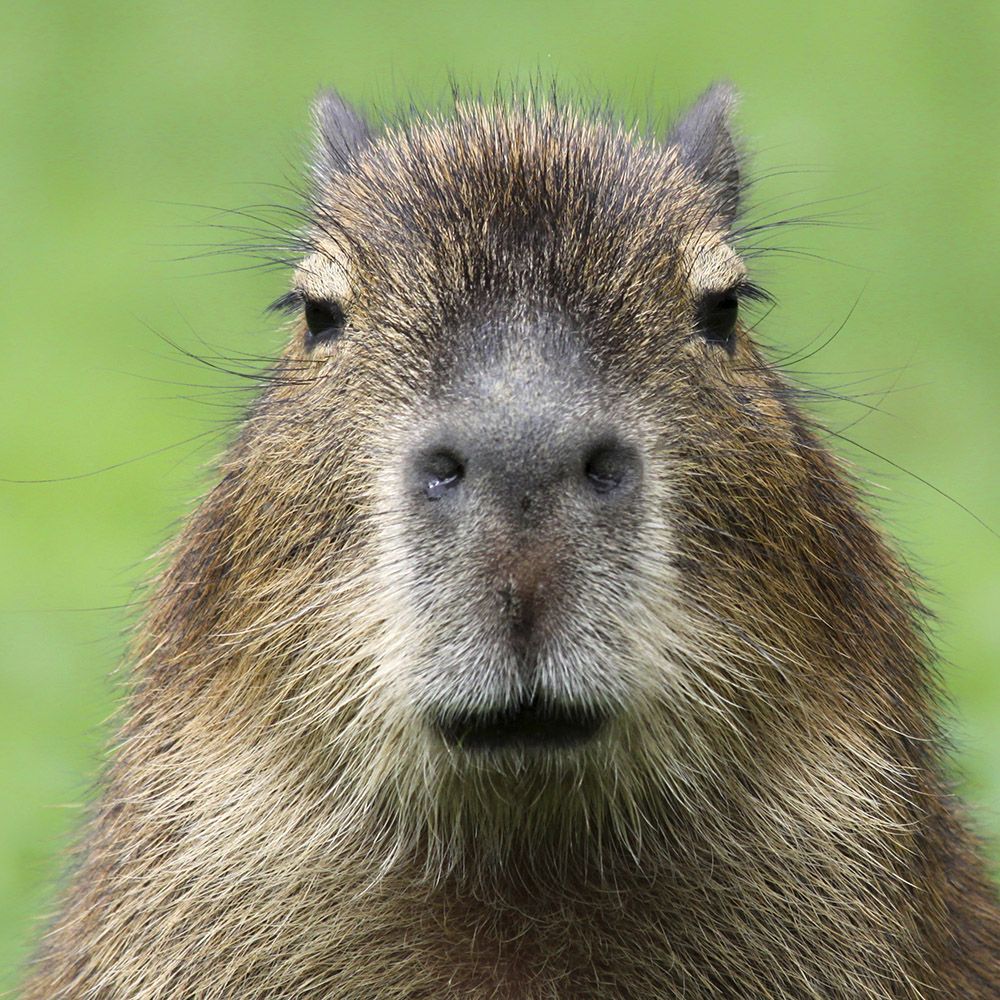
- Eyes, ears, and nose on top of their heads, so they can see and breathe while mostly underwater
- Thick fur that dries quickly and protects against insects
- Social groups for safety from predators
These adaptations make capybaras excellent swimmers and help them avoid danger.
Credit: a-z-animals.com
Capybara Population Density
Not every habitat has the same number of capybaras. Their population changes depending on water, food, and human activity. Here’s a comparison of capybara populations in different South American countries:
| Country | Estimated Population | Main Habitat |
|---|---|---|
| Brazil | Over 5 million | Wetlands, Rivers |
| Venezuela | 1-2 million | Llanos (Flooded Plains) |
| Argentina | Hundreds of thousands | Pampas, Wetlands |
| Colombia | Hundreds of thousands | Lowland Wetlands |
Brazil has the largest number of capybaras because it has the biggest area of suitable wetlands.
Capybaras In Urban And Agricultural Areas
Capybaras are very adaptable. In some places, they live near farms and even inside cities, as long as there are ponds, canals, or rivers. For example, in Brazil, it’s common to see capybaras in public parks next to lakes.
However, living near humans is risky for capybaras. They face threats like:
- Traffic accidents when crossing roads
- Hunting for meat and skin
- Loss of habitat from farming and buildings
- Pollution of water sources
Still, capybaras sometimes use farms for easy food, eating crops like sugar cane or corn. In cities, they often attract people who enjoy seeing wildlife.
Seasonal Movements
Capybaras may change their location with the seasons. In the rainy season, they spread out because water is everywhere. In the dry season, they gather in larger groups near the remaining water. This movement helps them survive when food and water become limited.
Capybara Habitats Compared To Other Large Rodents
To better understand capybaras, it helps to compare their habitat with other large rodents:
| Species | Continent | Main Habitat | Water Dependency |
|---|---|---|---|
| Capybara | South America | Wetlands, Rivers, Grasslands | Very high |
| Beaver | North America, Europe | Rivers, Streams, Lakes | High |
| Porcupine | Worldwide | Forests, Grasslands | Low |
| Nutria | South America (introduced elsewhere) | Swamps, Marshes | High |
Capybaras are unique because they are the largest rodent and need water even more than other big rodents.
Credit: rousfoundation.com
Capybaras In Captivity
While capybaras mostly live in the wild, you can also find them in zoos and private farms around the world. In these places, caretakers must recreate their natural environment with:
- A large pool or pond
- Shade and grass for resting
- Enough space to move in groups
Capybaras kept as pets or in zoos need special care. They can live up to 12 years in these safe conditions, compared to about 8 years in the wild.
The Importance Of Protecting Capybara Habitats
Capybaras play a key role in their ecosystem. They are a main food source for predators like jaguars, caimans, and anacondas. Their grazing helps keep plants healthy and wetlands open. Protecting their habitat keeps the entire environment balanced.
In some regions, over-hunting and loss of wetlands threaten local capybara populations. Conservationists work to save wetlands and teach farmers how to live with these animals.
For more in-depth information about capybara range and behavior, visit the Wikipedia Capybara page.
Frequently Asked Questions
Where Are Capybaras Found In The Wild?
Capybaras are found in South America, mainly in countries like Brazil, Venezuela, Argentina, and Colombia. They live near water in wetlands, rivers, and flooded plains.
Do Capybaras Live In North America?
Wild capybaras do not live naturally in North America. A few have escaped or been released in Florida, but there are no stable wild populations there.
Can Capybaras Survive Without Water?
No, capybaras cannot survive long without water. They need it for drinking, swimming, and escaping predators. Water is essential for their health.
Why Do Capybaras Live In Groups?
Capybaras are social animals. Living in groups helps them watch for danger, share food, and care for young. Groups also make it harder for predators to attack.
Are Capybara Habitats Under Threat?
Yes, capybara habitats are at risk from farming, building, and pollution. Protecting wetlands and rivers is important for their survival and the health of other wildlife.
Capybaras are a special part of South America’s natural world. By learning where and how they live, we can better appreciate their role in nature and understand why it’s important to protect their homes for future generations.


