

If you love animals and are curious about the world’s largest rodent, you might be wondering where to see capybara in Japan. These friendly, gentle creatures are not just found in South America—they’ve become a sensation in Japanese zoos, parks, and even hot springs. In fact, Japan has developed a unique way of letting visitors interact with capybaras, making the experience fun and unforgettable for all ages.
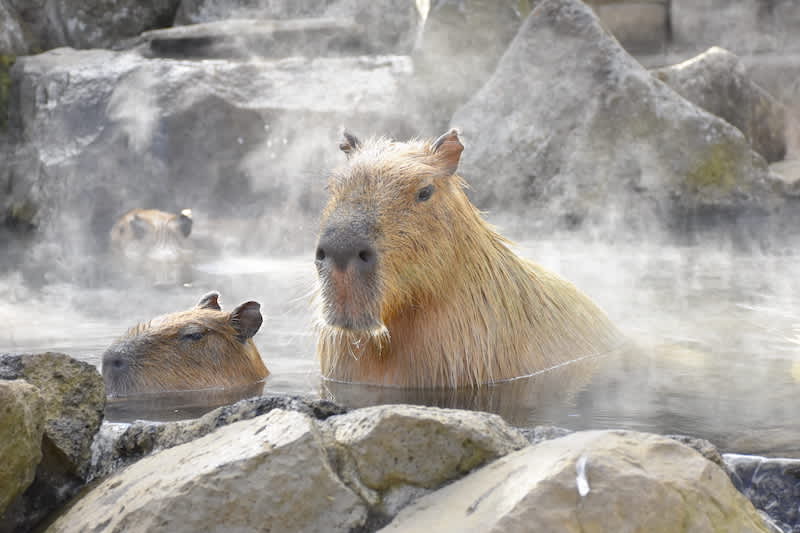
Japan’s passion for cute animals is well-known, but the story of capybaras in this country is special. They are often seen relaxing in warm water baths, especially during the cold winter months. Many Japanese zoos have created special capybara hot springs for visitors to watch and take photos.
This article will guide you through the best places in Japan to meet capybaras, what to expect, and what makes each spot unique.
Top Places To See Capybara In Japan
If you want to see capybaras in Japan, here are the best locations you should consider. Each place offers a slightly different experience, from open petting areas to hot spring baths and family-friendly attractions.
1. Izu Shaboten Zoo (shizuoka)
The Izu Shaboten Zoo is famous for being the first zoo in Japan to create a hot spring bath for capybaras. During winter, you can see groups of capybaras soaking together in warm water, surrounded by Japanese gardens. The zoo also allows visitors to feed and sometimes gently touch the capybaras. It’s a perfect spot for families and photographers.
2. Nasu Animal Kingdom (tochigi)
At Nasu Animal Kingdom, capybaras live in a large open area where visitors can interact with them. In winter, they also enjoy their own hot spring baths. The zoo is set in a beautiful highland area, which makes the experience even more relaxing. You’ll often see capybaras walking freely around, and there are feeding sessions throughout the day.
3. Saitama Children’s Zoo
The Saitama Children’s Zoo is a popular spot for school trips and families. Their capybara enclosure allows children to get close, watch capybaras swim, and sometimes feed them. The zoo focuses on education, so you’ll find plenty of information about the life and habits of capybaras.
4. Nagasaki Bio Park
Known for its interactive style, Nagasaki Bio Park lets visitors enter the capybara area and feed them directly. The park is famous on social media for its adorable capybara photos, especially of them enjoying hot baths. There are also daily shows and talks about capybara behavior.
5. Kobe Animal Kingdom
Kobe Animal Kingdom offers a hands-on experience. The capybara enclosure is spacious, and you can buy special food to feed the animals. The park is all-weather, with indoor and outdoor sections, so you can visit any time of year.
6. Ueno Zoo (tokyo)
Ueno Zoo is Japan’s oldest zoo and has a capybara enclosure in the West Garden. While you can’t touch the animals here, you can watch them up close and learn about their natural habitat. It’s a good choice for visitors with limited time in Tokyo.
7. Tobu Zoo (saitama)
Tobu Zoo is a combined amusement park and zoo. Their capybara area is next to the monkey enclosure, and visitors can watch capybaras swim and rest. The zoo sometimes holds special capybara events during holidays.
8. Nifrel (osaka)
NIFREL is an interactive museum and aquarium in Osaka. The capybara area is designed to mimic a tropical river, and you can see capybaras living alongside other animals. The modern facility offers a unique, educational experience.
9. Zoorasia (yokohama)
Zoorasia is a large, modern zoo known for its natural-style habitats. The capybara enclosure is shared with other South American animals. While you can’t touch the capybaras, you can observe their social behavior and learn more from the zoo’s staff.
10. Fuji Safari Park
Fuji Safari Park is mainly known for its drive-through safari, but it also has a capybara area in the petting zoo. You can feed and sometimes gently touch the capybaras. The park sits at the base of Mt. Fuji, adding stunning views to your visit.
Comparing Capybara Experiences
To help you choose the best destination, compare these popular spots by the type of interaction, special features, and season highlights.
| Zoo/Park | Touch/Feed Allowed | Hot Spring Baths | Best Season |
|---|---|---|---|
| Izu Shaboten Zoo | Yes | Yes | Winter |
| Nasu Animal Kingdom | Yes | Yes | Winter |
| Saitama Children’s Zoo | Yes (limited) | No | Year-round |
| Nagasaki Bio Park | Yes | Yes | Winter |
| Kobe Animal Kingdom | Yes | No | Year-round |
Credit: www.japan.travel
What Makes Japanese Capybara Spots Special?
Japan’s approach to capybara viewing is unique in several ways:
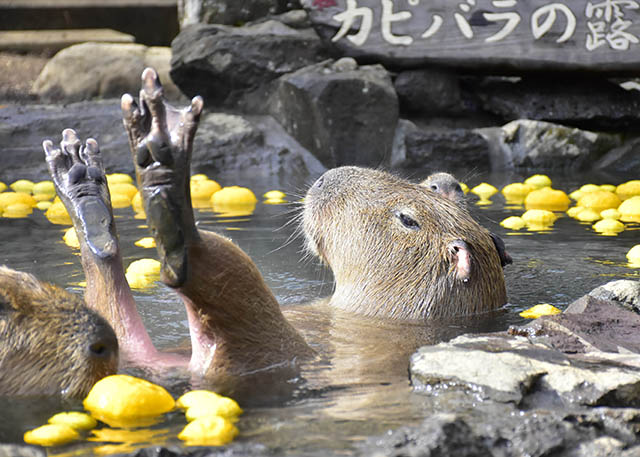
- Hot Spring Baths: Zoos like Izu Shaboten and Nagasaki Bio Park have famous capybara onsens (hot springs). This tradition began in the 1980s and is now a winter highlight.
- Close Interaction: Many places allow safe, close interaction. Feeding capybaras is possible, and in some parks, you can gently touch them.
- Seasonal Events: Special events are held during winter, with photo sessions and capybara-themed goods.
- Social Media Fame: Japanese capybaras are popular on Instagram and Twitter, especially photos of them in hot springs or with seasonal decorations.
Here’s a quick look at the difference between a typical zoo and a Japanese capybara hot spring:
| Typical Zoo | Japanese Capybara Hot Spring |
|---|---|
| View animals from a distance | See capybaras relaxing up close |
| Limited interaction | Feeding and gentle touching often allowed |
| No special winter events | Hot spring baths and photo sessions in winter |
Tips For Visiting Capybara In Japan
- Check the season – For hot spring baths, visit from November to February.
- Weekdays are quieter – Zoos are less crowded on weekdays, making interaction easier.
- Follow staff instructions – Always listen to zoo staff for the safety of both you and the animals.
- Bring a camera – Capybaras are photogenic, especially in hot springs.
- Buy official food – Only feed capybaras the food provided by the zoo to protect their health.
Many beginners miss that capybara areas can get crowded during special events or weekends. It’s also easy to underestimate how long children may want to stay—capybaras are more active in the morning and before feeding times.
Credit: japantravel.navitime.com
Capybara Facts That Surprise Most Visitors
- Capybaras are very social and live in groups of 10–20 in the wild.
- They are strong swimmers and can hold their breath underwater for up to 5 minutes.
- Japanese zoos sometimes dress up capybaras with seasonal hats or decorations for festivals.
If you want to read more about capybaras and their history in Japan, check the Wikipedia page.
Frequently Asked Questions
Where Is The Most Famous Place To See Capybara In Japan?
The Izu Shaboten Zoo is the most famous spot. It started the tradition of capybara hot spring baths and attracts many visitors every winter.
Can You Touch Or Feed Capybaras In Japanese Zoos?
Yes, in many locations like Nagasaki Bio Park and Kobe Animal Kingdom, you can feed and gently touch capybaras. Always check the rules at each zoo.
What Time Of Year Is Best For Seeing Capybara Hot Spring Baths?
The best time is from November to February, when zoos create special hot spring baths for capybaras to keep warm.
Are Capybara Friendly With Children?
Capybaras are gentle and usually friendly, making them safe for children under supervision. Zoos have rules to keep both visitors and animals safe.
Do Capybaras Live In The Wild In Japan?
No, capybaras are native to South America. In Japan, they live only in zoos, animal parks, and controlled environments.
No matter where you travel in Japan, seeing capybaras up close is a unique experience. Whether it’s a relaxing day at a zoo or capturing the perfect photo of a capybara enjoying a hot spring, these gentle animals bring joy to visitors of all ages.
If you’re planning a trip, don’t miss the chance to meet Japan’s most famous rodent in one of these special locations.

Credit: matcha-jp.com


