

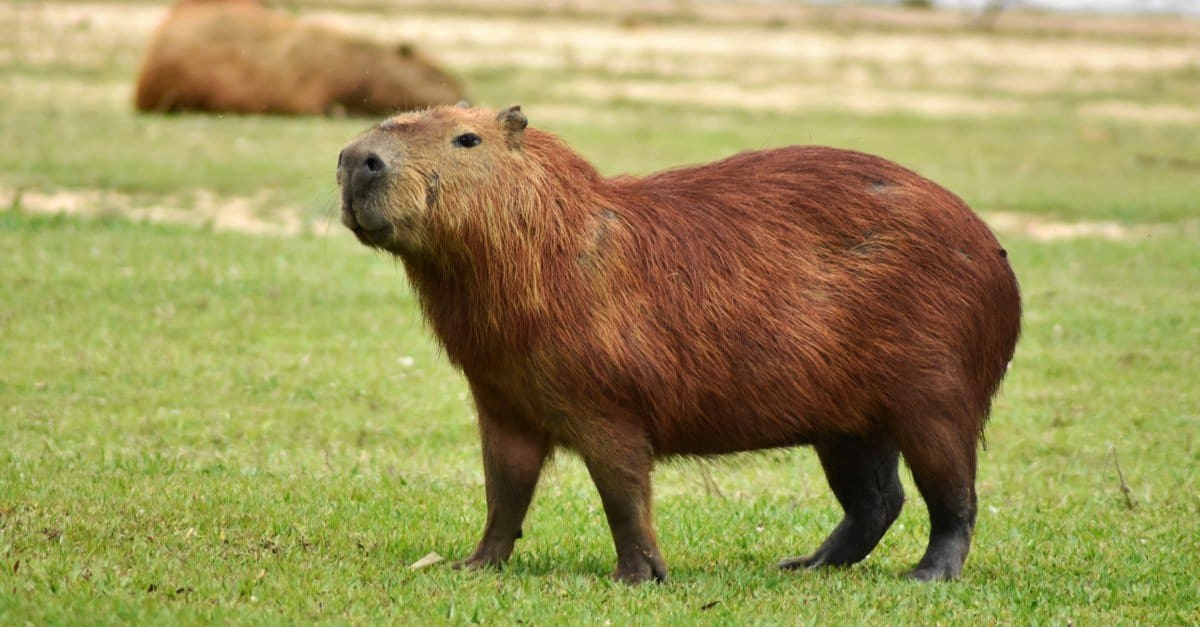
Capybaras are the world’s largest rodents, famous for their gentle nature and love for water. But behind their calm image, capybaras face many predators and human threats. If you ever wondered who eats capybaras, you might be surprised by the variety of animals—and even people—who include them in their diet.
Understanding who eats capybaras helps us see their role in the ecosystem and the challenges they face in the wild.
Natural Predators Of Capybaras
Capybaras live mostly in South America, especially near rivers, lakes, and wetlands. Their large size does not protect them from being hunted by several powerful animals.
Jaguars
The jaguar is one of the most dangerous predators of capybaras. Jaguars are strong swimmers and often hunt near water, just like capybaras. They use stealth and speed to catch capybaras, especially at dawn or dusk.
Caimans
Caimans are reptiles that look like small alligators. In the Amazon Basin, caimans wait quietly in the water for capybaras to come close. They quickly snap up young or weak capybaras, dragging them underwater.
Anacondas
The green anaconda is the largest snake in the world by weight. It lives in the same wetlands as capybaras. Anacondas hunt by ambush. They wrap around their prey and squeeze tightly. Capybaras, especially young or sick ones, are sometimes caught and eaten by these giant snakes.
Pumas
The puma (also called cougar or mountain lion) shares its habitat with capybaras in parts of South America. Pumas are agile and can attack capybaras on land, especially when the rodents move away from water to find food.
Harpy Eagles
For baby capybaras, the harpy eagle is a threat from above. These large birds of prey can swoop down and grab young capybaras with their powerful talons. Adult capybaras are too heavy for harpy eagles, but the young are easy targets.
Ocelots And Other Small Cats
Ocelots and other smaller wild cats sometimes hunt young capybaras, especially when other food is hard to find. They use their stealth and quick attacks to capture smaller prey.
Human Consumption And Hunting
Humans are also significant predators of capybaras. In some regions, people hunt capybaras for food and other uses.
Capybara Meat
In parts of Venezuela, Brazil, and Argentina, capybara meat is a traditional food. The meat is said to taste similar to pork and is high in protein. During Lent, when Catholics avoid red meat, capybara is sometimes allowed by the church because it is semi-aquatic, similar to fish.
Hides And Leather
Capybara skin is used to make leather goods like gloves and shoes. This encourages hunting not just for meat but also for hides, increasing the pressure on wild populations.
Farming And Conservation
Some countries allow capybara farming. Here, capybaras are raised in captivity for their meat and hides. Farming helps protect wild populations, but illegal hunting still happens.
| Country | Capybara Meat Consumption | Legal Status |
|---|---|---|
| Venezuela | Common during Lent | Regulated |
| Brazil | Regional delicacy | Regulated |
| Argentina | Occasional | Regulated |
Credit: a-z-animals.com
Capybaras And The Food Chain
Capybaras eat mostly grasses, water plants, and fruit. But as prey, they help feed many animals. Their role in the food chain is important for the health of South American wetlands.
Why Capybaras Are Targeted
- Size: Capybaras are large, making them an attractive meal.
- Group Living: They move in groups, so predators may catch several at once.
- Water Habits: Many predators, like caimans and anacondas, share the water habitat.
Impact Of Predation
Predators help keep capybara numbers in balance. Too many capybaras can damage the local vegetation. Predation also keeps capybaras alert and healthy, as sick or slow individuals are more likely to be caught.
Capybara Defenses
Capybaras are not defenseless. They use several strategies to avoid being eaten.
- Alertness: Capybaras post lookouts in their group to warn others of danger.
- Swimming: They are excellent swimmers and can dive underwater for up to five minutes to escape.
- Hiding: In tall grass or water, capybaras can hide with only their noses above the surface.
| Predator | Attack Method | Capybara Defense |
|---|---|---|
| Jaguar | Ambush on land or water edge | Group lookout, quick escape to water |
| Caiman | Surprise from water | Swimming in groups, diving |
| Anaconda | Ambush in water | Alertness, group movement |

Credit: www.youtube.com
Cultural And Ecological Importance
Capybaras are more than just prey. In many South American cultures, they are symbols of peace and community. Their presence shows a healthy wetland. When capybaras disappear, it often means the local ecosystem is in trouble.
Some tourists visit wetlands just to see capybaras in the wild. This eco-tourism helps support local economies and encourages people to protect these animals.
Non-obvious Insights
Many people think only big predators eat capybaras, but even parasites like ticks and leeches feed on them regularly. Also, capybara bones and remains provide food for scavengers like vultures and small mammals after a predator makes a kill. These connections show how capybaras help many species, even after death.
Another surprising fact is that capybara populations can rebound quickly if hunting stops. Females can have up to eight babies at a time, sometimes twice a year, so numbers can recover if given a chance.

Credit: www.americanoceans.org
Frequently Asked Questions
Why Do Humans Eat Capybaras?
People eat capybaras because their meat is tasty and high in protein. In some countries, the church allows it during Lent, making it more popular at certain times of year.
Are Capybaras Endangered Due To Hunting?
Capybaras are not endangered overall, but in places with heavy hunting, local populations can drop. Regulated hunting and farming help protect them in many areas.
What Animals Eat Baby Capybaras?
Baby capybaras are eaten by predators like harpy eagles, ocelots, caimans, and even large snakes. They are more vulnerable than adults.
How Do Capybaras Escape From Predators?
Capybaras use group lookout, fast running, swimming, and diving. They often escape into water, where they can hide for several minutes.
Do People Keep Capybaras As Pets To Avoid Hunting?
In rare cases, people keep capybaras as pets, but it is not common. Most capybaras live in the wild or on farms for meat and leather.
Capybaras play a key role in South American wetlands, not only as gentle giants but also as prey for many predators and humans. Their story shows how all parts of nature are connected. If you want to learn more about their role in the ecosystem, you can visit the Wikipedia page on capybaras for deeper information. By protecting capybaras, we help keep wetlands healthy for all the animals and people who depend on them.


