

Why Do Crocodiles Not Attack Capybaras
Nature is full of surprising relationships. One of the most unusual is the calm coexistence of crocodiles and capybaras. In South America, it is common to see capybaras, the world’s largest rodents, sharing riverbanks with powerful crocodiles and caimans. Many people wonder: Why don’t crocodiles attack capybaras? After all, capybaras seem like easy prey. The answer is not simple. It involves animal behavior, food choices, and even survival strategies. Let’s explore the fascinating reasons behind this rare peace in the wild.
Natural Habitats: Where Capybaras And Crocodiles Meet
Both capybaras and crocodiles live near water. Capybaras love rivers, lakes, and marshes, especially in places like the Amazon Basin. Crocodiles (and their South American relatives, caimans) are also found in these habitats. This means the two species often meet.
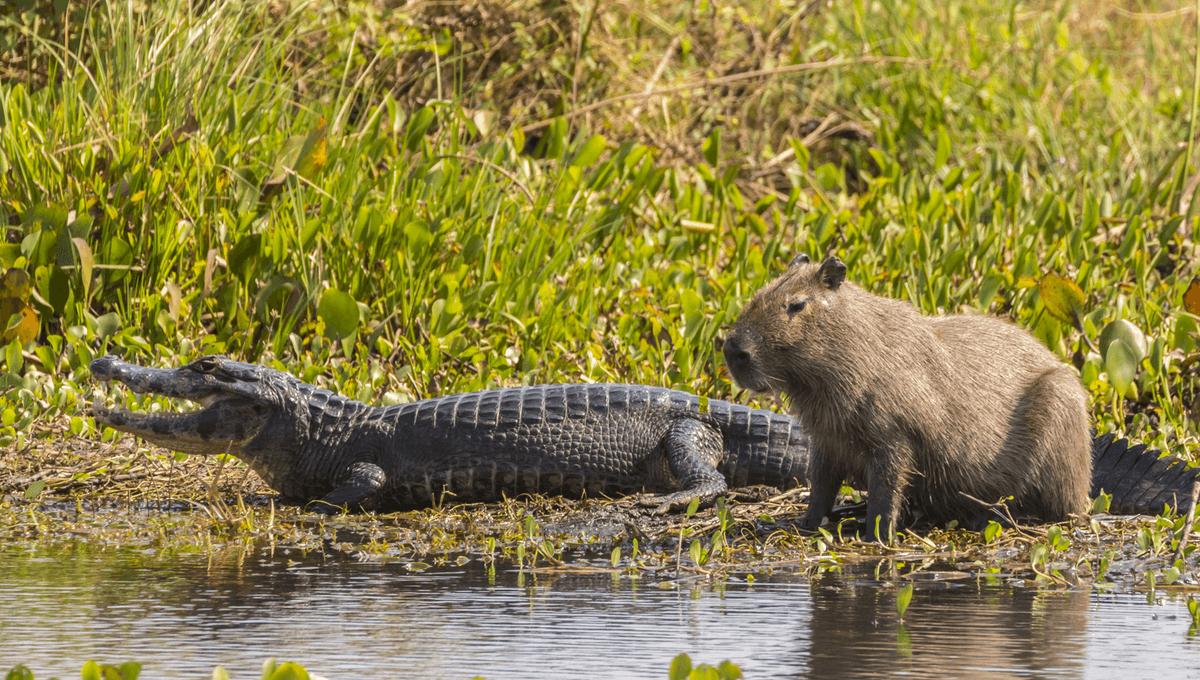
Despite sharing the same space, they do not always interact aggressively. In fact, you can often see groups of capybaras relaxing on riverbanks just meters away from a basking crocodile. This peaceful sight makes many wonder if there is a hidden agreement between them.
Main Reasons Crocodiles Rarely Attack Capybaras
1. Capybaras Are Not The First Choice For Crocodiles
Crocodiles are opportunistic hunters. This means they attack animals that are easy to catch. Capybaras may seem slow, but they are excellent swimmers and often stay in groups. Crocodiles usually prefer prey that moves alone or is less alert.
Crocodiles are also careful with their energy. Hunting a capybara can be risky and tiring, especially if the capybara escapes into the water or the group fights back. Instead, crocodiles often hunt smaller animals like fish, birds, or even young turtles.
2. Group Living Gives Capybaras Safety
Capybaras almost always stay in groups. A typical group may have 10–20 animals, but sometimes there are 100 or more. If a predator, like a crocodile, comes near, the group makes alarm calls and jumps into the water.
This group behavior makes it hard for a crocodile to surprise or catch a single capybara. The chance of success is low, and the risk of injury is higher if many capybaras panic at once. For crocodiles, easier meals are available.
3. Capybaras’ Swimming Skills
Capybaras are exceptional swimmers. They can stay underwater for up to five minutes. When threatened, they dive and swim quickly. This skill makes them harder to catch than animals that do not swim well.
Crocodiles may try to ambush a capybara at the water’s edge, but the capybara’s quick reaction and strong swimming often allow it to escape. Crocodiles save their energy for more vulnerable prey.
4. Seasonal Food Availability
During the wet season, rivers flood and food is everywhere. Crocodiles have plenty to eat, such as fish and amphibians. During these times, they are less likely to chase large, fast-moving animals like capybaras.
Only in rare cases, like when food is very scarce, might a crocodile try to hunt a capybara. Even then, success is not guaranteed.
5. Learned Behavior And Mutual Tolerance
Over time, crocodiles and capybaras have learned to tolerate each other. Capybaras do not panic when crocodiles are nearby unless the crocodile starts hunting. Crocodiles, in turn, do not waste energy chasing capybaras that are aware and alert.
This mutual tolerance benefits both. Capybaras can safely graze, and crocodiles can rest without constant alarm calls scaring away all potential prey.

Credit: www.reddit.com
Comparing Diets: What Do Crocodiles And Capybaras Eat?
To understand why attacks are rare, look at their diets.
| Animal | Main Diet | Hunting Style |
|---|---|---|
| Crocodile | Fish, birds, small mammals, reptiles | Ambush predator |
| Capybara | Grasses, aquatic plants, fruits | Herbivore (not a predator) |
Crocodiles are carnivores, but their favorite meals are not capybaras. Capybaras are peaceful herbivores and do not threaten crocodiles.
Real-life Observations: Coexistence In The Wild
Wildlife researchers have spent years watching these animals. In places like the Pantanal, Brazil, you can see capybaras and caimans (a close relative of crocodiles) side by side.
Some scientists believe this peace is due to abundant food and the high risk for predators. Others think capybaras have learned to read crocodile behavior. If a crocodile is hunting, capybaras stay far away. If it is resting, they ignore it.
A study in the Pantanal found that capybara attacks by caimans are extremely rare—less than 2% of observed caiman hunting attempts involved capybaras.
Capybara Defense Strategies
Even though capybaras are not very aggressive, they have several ways to protect themselves:
- Alarm calls: If one capybara senses danger, it warns the group.
- Quick escape: Capybaras run and swim fast, making a quick getaway.
- Group protection: Staying in large numbers reduces individual risk.
- Underwater hiding: Capybaras can hide underwater with only their noses above the surface.
These strategies make it difficult for crocodiles to catch them.
Non-obvious Insights: What Most People Miss
Many beginners think crocodiles will eat anything that moves. But experts know:
- Crocodiles avoid unnecessary risks. Injuries from failed hunts can be fatal for them, so they pick easy, safe targets.
- Ecosystem balance matters. In areas with plenty of food, predators are less desperate and less likely to attack big, alert animals.
Also, capybaras sometimes act as “early warning systems” for other animals. Their alarm calls alert not only their group but also birds and deer nearby. This shared defense helps all species survive.
Data On Attacks: How Often Do Crocodiles Hunt Capybaras?
Actual attacks are rare. Here’s a summary from several field studies:
| Location | Total Observed Attacks | Capybara as Target (%) |
|---|---|---|
| Pantanal, Brazil | 53 | 4% |
| Amazon Basin | 41 | 2% |
| Orinoco Delta | 24 | 0% |
These numbers show that, while possible, attacks are not common.
When Do Crocodiles Attack Capybaras?
Attacks happen, but they are not the rule. They may occur:
- During droughts, when food is scarce
- If a capybara is sick, young, or alone
- If a crocodile is extra hungry or injured
Still, the chance is low compared to other potential prey.

Credit: www.youtube.com
Lessons From Nature: Coexistence, Not Friendship
This unusual relationship is not friendship. It is a balance based on survival, risk, and opportunity. Both animals have learned how to live close together. The result is a rare peace that benefits each side.
If you want to read more about animal coexistence, you can check this Mutualism (biology) article on Wikipedia.
Frequently Asked Questions
Why Don’t Crocodiles Eat Capybaras More Often?
Crocodiles prefer easier prey and avoid risky hunts. Capybaras are fast, alert, and usually in groups, making them a less attractive target.
Are There Places Where Crocodiles Regularly Hunt Capybaras?
In most regions, attacks are rare. Only in times of food shortage or drought might crocodiles hunt capybaras more often.
Do Capybaras Ever Attack Crocodiles?
No, capybaras are herbivores and not aggressive toward crocodiles. They only try to escape or warn their group.
What Other Animals Share Habitats With Capybaras And Crocodiles?
Animals like herons, turtles, deer, and anacondas also live in these wetlands. Many benefit from capybara alarm calls.
Can Capybaras And Crocodiles Be Kept Together In Zoos?
Yes, in some zoos, they share enclosures. Zookeepers monitor them closely, but attacks are still rare due to the reasons explained above.
The peaceful relationship between crocodiles and capybaras is a lesson in balance. Nature is not always about conflict—sometimes, survival means learning to live side by side.
Credit: www.iflscience.com


