

People all over the world love watching capybaras, the world’s largest rodents, relax in hot water surrounded by oranges. These peaceful animals sitting calmly with fruit on their heads have become a popular image online. But why do people put oranges on capybaras? The answer is a mix of tradition, animal care, and a bit of internet magic.
The Tradition Behind Oranges And Capybaras
The story starts in Japan, where hot spring baths, called onsen, are a big part of culture. In winter, people enjoy adding yuzu (a type of citrus fruit) to baths during the winter solstice. This is believed to keep people healthy and relaxed. Zookeepers noticed that capybaras, who love water, also enjoy warm baths when it’s cold.
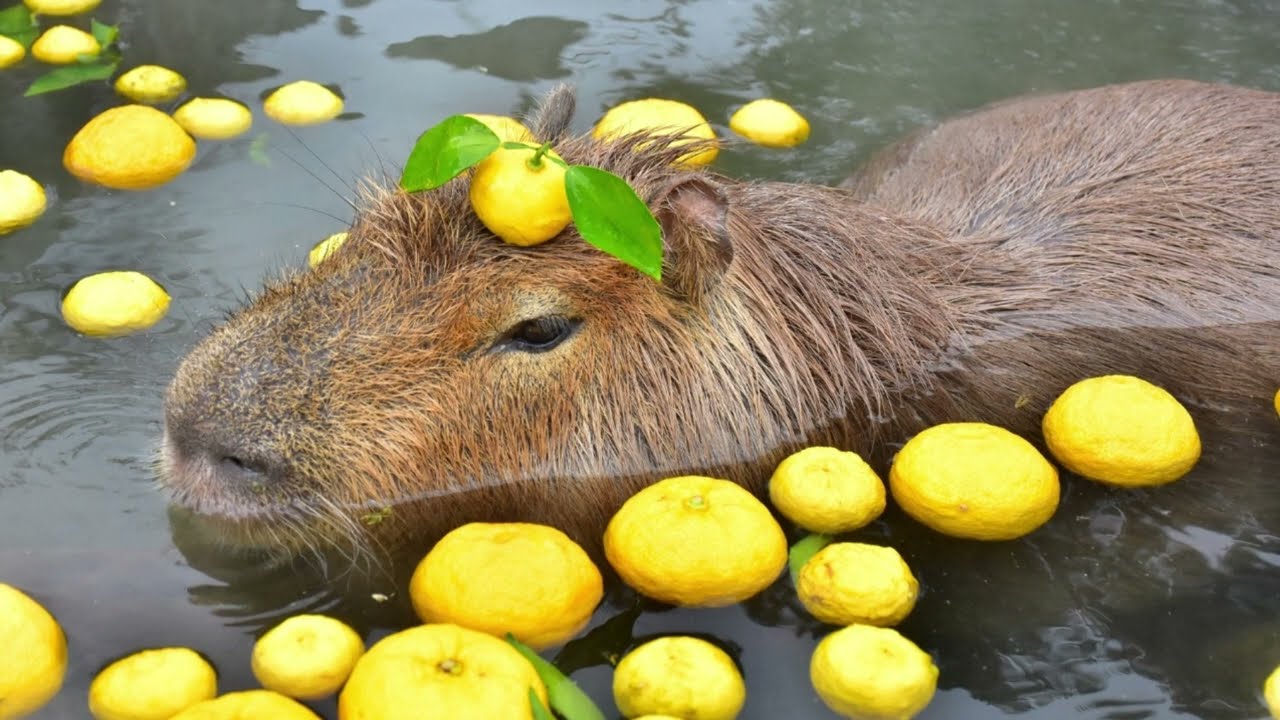
In the 1980s, the Izu Shaboten Zoo in Japan began giving capybaras their own yuzu baths. Zookeepers floated oranges and yuzu in the water and sometimes placed them on the capybaras’ heads. The animals didn’t mind—in fact, they seemed to enjoy the warm, scented water and the attention.
Soon, the sight of capybaras with oranges became a tradition at zoos across Japan. Every winter, people gather to watch these animals soak in citrus-scented baths, and the photos are shared all over the world.
Why Oranges?
The choice of oranges and yuzu is not random. Citrus fruits have a strong, pleasant smell and natural oils that can make bathwater feel soothing. For capybaras, the oranges are not only decorations but also an added treat. Sometimes they nibble on the fruit, which is safe in small amounts.
The use of oranges has several reasons:
- Tradition: Connecting human customs with animal care.
- Scent: The smell is calming for animals and humans.
- Visual Appeal: Bright oranges look good in water and in photos.
- Enrichment: Oranges give capybaras something new to explore and taste.
Health Benefits For Capybaras
Some people wonder if the oranges or yuzu baths are good for the animals. The main benefit comes from the warm water, which helps capybaras stay comfortable in cold weather. This is important because capybaras come from warmer climates in South America.
The oranges themselves offer small benefits:
- Vitamin C: Capybaras can eat citrus, which gives them vitamin C.
- Skin and Fur: Citrus oils in the water can help keep their fur clean and soft.
- Relaxation: The scent and warmth help capybaras relax and socialize.
However, oranges are not a major part of their diet. Zookeepers use only a few, and always watch to make sure the animals do not eat too much.
The Power Of Cute: Why It Became An Internet Trend
The image of a calm capybara with an orange on its head is hard to forget. This has made it a favorite for social media users. People share these photos and videos because:
- Capybaras look peaceful and funny
- The idea of animals enjoying a “spa day” is unusual
- The bright oranges add a cheerful touch
This trend has helped zoos attract more visitors. Some zoos even organize special events for people to watch the capybara baths, take photos, and learn about the animals.

Credit: www.dreamstime.com
How Zoos Prepare Capybara Orange Baths
Making a bath for capybaras is more than just adding water and fruit. Zookeepers follow steps to keep everything safe and comfortable.
- Fill the Pool: Warm water is added to a shallow pool.
- Check the Temperature: Water is kept between 35-40°C (95-104°F), which is safe for capybaras.
- Add Citrus: Oranges or yuzu are floated in the water, sometimes sliced to release more scent.
- Watch the Animals: Staff always monitor capybaras to make sure they are not stressed.
- Limit Treats: Only a few oranges are used, and the rest is removed after the bath.
Here is a look at how capybara baths compare to human onsen traditions:
| Feature | Capybara Bath | Human Onsen |
|---|---|---|
| Water Temperature | 35-40°C | 38-42°C |
| Citrus Used | Oranges, Yuzu | Yuzu |
| Purpose | Animal Comfort, Enrichment | Relaxation, Health |
Capybara Behavior During Orange Baths
Most capybaras enjoy the baths. They sit quietly, sometimes closing their eyes or making soft noises. Some balance oranges on their heads, while others play with the floating fruit.
A few capybaras are less interested and may stay at the edge. Zookeepers never force the animals to participate. This respect for the animals’ comfort is important for their health.
People often ask if the oranges bother the capybaras. The answer is no—they are used to new things, and their calm nature means they accept gentle changes in their routine.

Credit: www.reddit.com
Beyond Oranges: Other Enrichment Ideas
While oranges are a favorite, zoos use many ways to keep capybaras happy. Other enrichment ideas include:
- Floating lettuce or sweet potatoes as treats
- Adding toys or logs to pools
- Changing the pool shape or size
Comparing different enrichment methods can show why oranges stand out.
| Enrichment Type | Benefit | Drawback |
|---|---|---|
| Oranges/Yuzu | Smell, Taste, Fun Photos | Can’t be used daily |
| Lettuce | Food, Play | Less visual appeal |
| Toys | Physical Activity | No scent benefits |
Non-obvious Insights
Many people think oranges are just for show, but they also help capybaras bond with each other. Sharing a bath with treats can reduce stress and help young capybaras learn social skills.
Another hidden benefit is the way orange baths bring attention to capybara care in zoos. When visitors see these baths, they often learn more about capybaras’ needs and habitats. This can lead to better support for wildlife programs.
What Beginners Often Miss
First-time visitors may not realize that not all capybaras want to join the bath. Each animal has a unique personality, and zoos let them choose. Also, while oranges look fun, too much citrus is not healthy for capybaras. Zoos are careful to balance fun with safety.
Finally, the bath is not just a winter event in some places. Zoos in colder areas may offer orange baths more often, while those in warmer climates only do it for special occasions.
Frequently Asked Questions
Why Do People Put Oranges On Capybaras?
People put oranges on capybaras as part of a tradition started in Japan. It combines human customs, animal care, and creates a relaxing, playful scene for both animals and people.
Is It Safe For Capybaras To Eat Oranges?
Yes, in small amounts. Oranges are safe for capybaras as an occasional treat. Zookeepers make sure they do not eat too much.
Do Capybaras Enjoy Orange Baths?
Most capybaras enjoy orange baths, especially the warm water. The citrus smell and floating fruit add to their enjoyment and help them relax.
Where Can I See Capybaras With Oranges?
This tradition is most common in Japanese zoos, like the Izu Shaboten Zoo. Some other zoos around the world also offer similar baths during winter.
What Is The Difference Between Yuzu And Regular Oranges For Capybaras?
Yuzu is a Japanese citrus fruit with a stronger smell than regular oranges. Both are used, but yuzu is more traditional in Japan. Oranges are more common in other countries.
For more on capybaras and their behavior, see the Wikipedia capybara page.
Putting oranges on capybaras may seem simple, but it brings together tradition, animal welfare, and a bit of joy for everyone watching. These gentle animals help remind us that sometimes, the small things—like a warm bath and a bright orange—can make a big difference.
Credit: www.youtube.com


