

Have you ever wondered why crocodiles, the fierce predators of rivers and swamps, don’t often eat capybaras, even though they share the same habitat? It’s surprising because capybaras seem like an easy meal.
But there’s more to this story than just size or speed. If you want to uncover the fascinating reasons behind this unusual wildlife behavior, keep reading. Understanding this mystery will change the way you see nature’s balance and predator-prey relationships forever.

Credit: www.reddit.com
Crocodile Diet Basics
Crocodiles are powerful predators with a varied diet. They eat many types of animals depending on their size and habitat. Their diet changes with age and season. Understanding what crocodiles eat helps explain why they rarely eat capybaras.
Crocodiles mostly hunt animals that are easier to catch. They prefer prey that fits their strength and size. Some animals avoid crocodiles by staying in groups or using quick escapes. These behaviors affect what crocodiles choose to eat.
Common Prey Of Crocodiles
Crocodiles often eat fish, birds, and small mammals. They catch turtles and amphibians too. Young crocodiles eat insects and small fish. Large crocodiles hunt bigger animals like deer and wild pigs. The prey depends on what lives near the water.
Capybaras live near water but have sharp senses. They often stay in groups to stay safe. This makes them harder for crocodiles to catch. Crocodiles usually pick prey that is alone or weak.
Hunting Strategies
Crocodiles use stealth to surprise their prey. They stay still in water, waiting for the right moment. Then, they use a quick burst of speed to grab their target. Crocodiles often drag prey underwater to drown it.
They avoid prey that fights back strongly or escapes fast. Capybaras are alert and can swim quickly. These skills reduce their risk of being eaten. Crocodiles prefer easier meals to save energy.
Capybara Habits And Habitat
The capybara is a unique creature with habits and a habitat that help it survive in the wild. Understanding these habits explains why crocodiles rarely attack capybaras. Their daily actions and where they live offer clues about their safety from predators.
Daily Routine And Behavior
Capybaras are active during the early morning and late afternoon. They rest in shaded areas during the hottest part of the day. These animals live in groups, which helps protect them from danger. They spend a lot of time in water, swimming to escape threats. Their strong swimming skills and alertness keep them safe.
Preferred Living Areas
Capybaras live near bodies of fresh water, like rivers and lakes. They prefer areas with dense vegetation. This thick plant cover provides hiding places from predators. Wetlands and marshes are common habitats for capybaras. These environments make it difficult for crocodiles to catch them easily.
Interactions Between Crocodiles And Capybaras
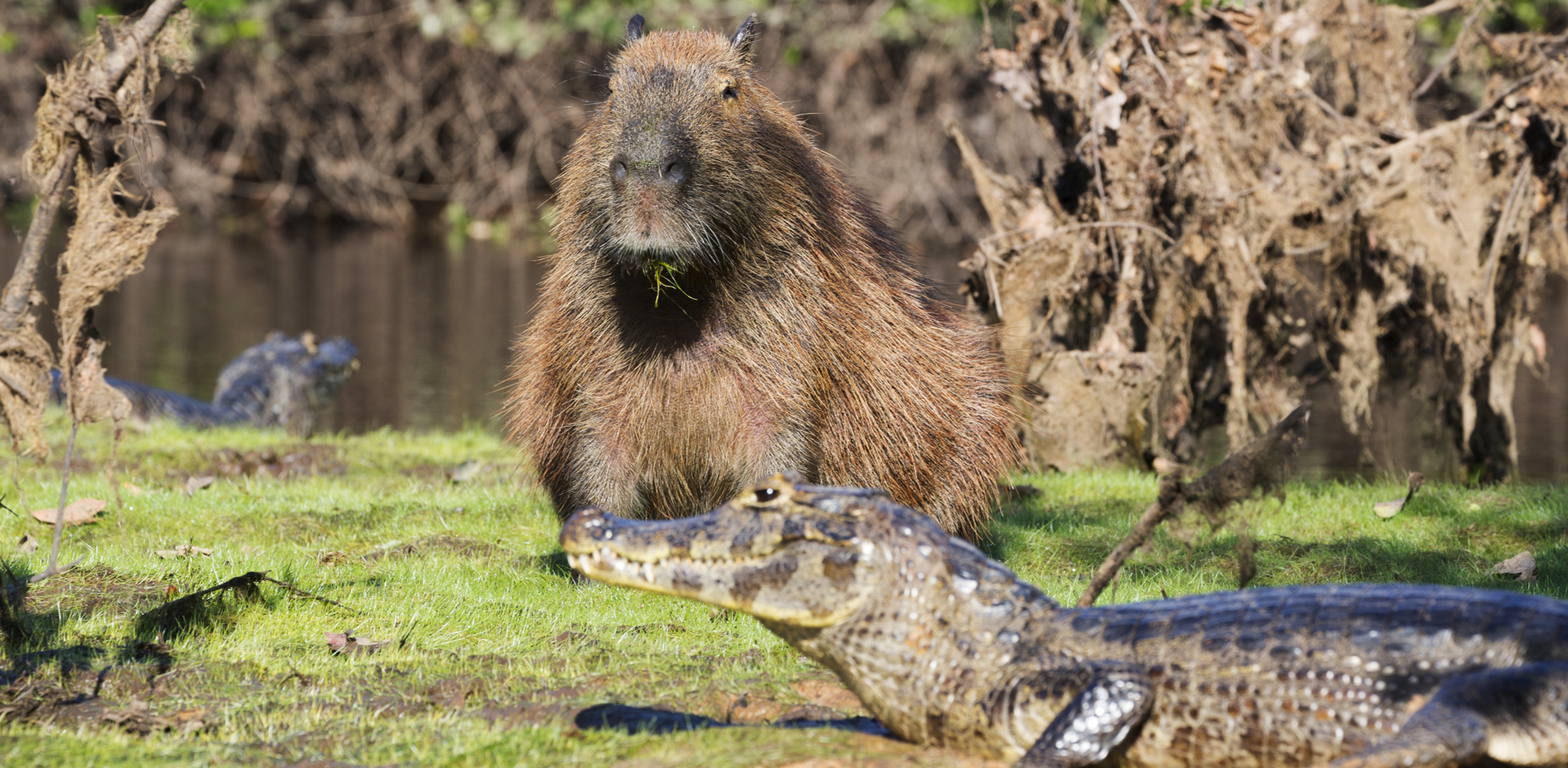
Interactions between crocodiles and capybaras are surprising to many. Both animals share the same habitats in South America. Despite this, crocodiles rarely hunt capybaras. Their relationship shows interesting survival strategies and natural balance.
These two species often cross paths near rivers and wetlands. Their interactions reveal how wildlife adapts to coexist. Understanding these patterns helps explain why crocodiles do not usually eat capybaras.
Encounters In The Wild
Crocodiles and capybaras often meet at water edges. Capybaras use water to escape danger quickly. They are excellent swimmers and stay alert. Crocodiles wait patiently but rarely attack healthy capybaras.
Most encounters end without conflict. Crocodiles may watch capybaras closely but avoid risky hunts. Capybaras tend to live in groups, which lowers attack chances. This group behavior protects them from predators.
Mutual Avoidance Patterns
Both animals avoid unnecessary fights for survival. Capybaras sense crocodiles early and move away fast. Crocodiles often choose easier prey than capybaras. This behavior reduces energy loss and injury risk.
Over time, they develop a balance in shared spaces. Each respects the other’s presence and territory. This mutual avoidance helps both species thrive in nature.
Credit: www.iflscience.com
Natural Defenses Of Capybaras
Capybaras have natural defenses that help them avoid predators like crocodiles. These defenses include their body features and how they behave in groups. These traits make it hard for crocodiles to catch and eat them.
Physical Adaptations
Capybaras have strong, sturdy bodies and sharp teeth. Their thick fur helps them blend into watery plants. They are excellent swimmers and can stay underwater for up to five minutes. This skill helps them escape danger quickly. Their eyes and nostrils sit high on their heads. This allows them to see and breathe while mostly underwater.
Social Behavior For Safety
Capybaras live in groups, often with 10 to 20 members. Group living helps them spot predators faster. When one capybara senses danger, it alerts the others with loud calls. They stick close together to confuse predators. This teamwork lowers the chance of any one capybara being caught. Their social nature is a strong shield against attacks.
Environmental Factors Influencing Predation
Environmental factors play a big role in why crocodiles do not often eat capybaras. These factors shape how predators and prey interact in their shared habitats. Water and land features create natural barriers and safe zones. Seasonal changes also affect animal behavior and hunting patterns. Understanding these elements helps explain the rare predation events between crocodiles and capybaras.
Water And Land Dynamics
Crocodiles and capybaras live near water, but they use it differently. Crocodiles stay mostly in water to hunt. Capybaras spend much time on land and near water edges. This split in space reduces direct encounters. Capybaras can quickly move to land where crocodiles cannot follow. Also, dense vegetation near water hides capybaras from crocodiles. Water currents and muddy riverbanks limit crocodiles’ movement. These natural barriers protect capybaras from becoming easy prey.
Seasonal Changes
Seasons change the environment and animal habits greatly. During the rainy season, water levels rise. Capybaras spread out over flooded areas, making it harder for crocodiles to find them. In dry seasons, water shrinks and animals gather in fewer spots. Crocodiles focus hunting on fish and smaller prey then. Capybaras stay near safe zones with thick plants. Seasonal shifts in food and water availability change hunting chances. This balance helps keep capybaras safer from crocodile attacks.
Scientific Theories Behind The Relationship
The relationship between crocodiles and capybaras puzzles many nature lovers. Scientists study this unusual dynamic to find answers. Several theories explain why crocodiles often do not eat capybaras. These ideas come from observing their habitats and behaviors over time.
Ecological Balance
Crocodiles and capybaras live in the same environments. They share rivers, lakes, and wetlands. Nature keeps a balance between species. Predators and prey maintain healthy populations.
Crocodiles eat many animals but rarely target capybaras. This helps avoid overhunting one species. It supports the overall ecosystem’s stability. Both animals play roles that benefit each other indirectly.
Evolutionary Perspectives
Over millions of years, crocodiles and capybaras evolved together. Capybaras developed strong social behavior and alertness. They live in groups and warn each other of danger.
Crocodiles may find hunting capybaras difficult. The rodents’ size, speed, and vigilance reduce attacks. Evolution favored capybaras that avoided crocodile threats successfully. Crocodiles adapted to prey on easier targets.
Surprising Case Studies And Observations
Scientists and wildlife observers have noticed strange interactions between crocodiles and capybaras. These surprising case studies reveal unusual patterns that challenge common ideas. Understanding these behaviors helps explain why crocodiles often avoid eating capybaras.
Field Research Findings
Researchers spent many hours watching crocodiles and capybaras in the wild. They saw that crocodiles rarely attack capybaras even when near. Sometimes, crocodiles and capybaras share the same water without conflict. These observations suggest a form of mutual respect or avoidance.
In some locations, capybaras seem to warn each other about crocodile presence. They use sounds and body language to stay safe. Crocodiles may recognize these signals and choose not to hunt. This behavior shows a complex relationship between predator and prey.
Unexpected Behaviors
In a few cases, crocodiles appeared to tolerate capybaras close by. Some even seemed indifferent to their movements. This unexpected tolerance might result from the capybara’s size or social habits.
Capybaras often stay in large groups, which could confuse crocodiles. A single capybara may be a target, but a group is harder to catch. Crocodiles might prefer easier prey to save energy. These behaviors show nature’s surprising balance.

Credit: www.youtube.com
How Capybara World Can Help You with Why Don’T Crocodiles Eat Capybara
Exploring Why Crocodiles Don’t Eat Capybaras: A Learning Opportunity
Diving deeper into the relationship between crocodiles and capybaras opens up fascinating practical learning moments, especially when considering capybara habits and habitat alongside crocodile diet basics. Observing how capybaras use their natural defenses and social behaviors to navigate environments shared with predators like crocodiles can teach us a lot about adaptation and survival strategies in the wild.
For anyone curious about these dynamics, studying environmental factors influencing predation—such as water availability, vegetation cover, and seasonal changes—provides valuable insights into how ecosystems balance predator-prey interactions. It’s a reminder that nature’s relationships are complex and often surprising.
At Capybara World, we aim to share such knowledge in a warm, approachable way, drawing on field experience and research to fuel curiosity. If you want to explore more nuanced details or have questions about capybara behavior, feel free to reach out at hello@capybara-world.com. There’s always more to learn when you follow the chillest animal’s trail!
Frequently Asked Questions
Why Don’t Crocodiles Eat Capybaras Often?
Crocodiles rarely eat capybaras because capybaras are agile and live in groups. Their alertness helps them avoid crocodile attacks. Also, crocodiles prefer easier prey to conserve energy during hunting.
Are Capybaras Natural Prey For Crocodiles?
Capybaras are potential prey but not the main choice for crocodiles. Crocodiles usually hunt slower or weaker animals. Capybaras’ size and social behavior make them less frequent targets.
How Do Capybaras Avoid Crocodile Attacks?
Capybaras stay close to water and use sharp senses to detect danger. They often flee in groups, confusing predators like crocodiles. Their quick swimming skills help them escape attacks.
Do Crocodiles And Capybaras Coexist Peacefully?
Crocodiles and capybaras coexist in the same habitats but maintain a cautious balance. Capybaras avoid getting too close to crocodiles. This reduces conflicts and helps both species survive.
Conclusion
Crocodiles and capybaras live close but avoid conflict. Capybaras stay alert and use water to escape. Crocodiles may choose easier prey than capybaras. This balance helps both animals survive in nature. Understanding their behavior shows how animals adapt well. Nature keeps its own rules for survival.
This relationship between crocodiles and capybaras is a great example. It reminds us how wildlife lives peacefully side by side.


