

Most people look at a capybara and wonder how this animal can stay so relaxed, even when surrounded by noise and chaos. With its calm eyes and gentle movements, the capybara has become famous online as the “chillest” animal on Earth. But why is this large rodent so peaceful? The answer isn’t simple. It’s a mix of biology, environment, social habits, and even how they interact with other animals.
If you’re curious about the secret to the capybara’s calm nature, you’re not alone. Scientists, animal lovers, and meme fans all want to know: what makes the capybara so chill? Let’s explore the real reasons behind this unique animal’s relaxed attitude.
The Capybara’s Natural Habitat
The capybara lives in South America, where it spends its life near water. Rivers, lakes, and swamps are home for these semi-aquatic mammals. Their environment plays a big role in their behavior.
Capybaras live in places where food and water are almost always available. They eat plants, grasses, and aquatic vegetation. Because they don’t have to travel far or compete much for food, their life is less stressful.
| Habitat Feature | Impact on Capybara Behavior |
|---|---|
| Abundant water | Easy escape from predators, helps cool off |
| Rich vegetation | Constant food supply, less competition |
| Mild climate | Rarely faces extreme weather stress |
Living in a safe, resource-rich place means capybaras don’t need to be aggressive or nervous. Their habitat encourages a peaceful way of life.
Social Structure And Group Living
Capybaras are not loners. In the wild, they form groups of 10–20, sometimes up to 100 during the dry season. Living in groups offers safety and comfort.
- Group defense: More eyes and ears to spot danger.
- Shared grooming: Capybaras groom each other, which builds trust and reduces stress.
- Clear hierarchy: There’s a leader, but fights for status are rare and not violent.
The group structure means individuals rarely feel alone or threatened. This lowers anxiety and supports their calm nature.

Credit: www.youtube.com
Body Language And Communication
Capybaras have a special way of communicating. They use soft sounds, gentle touch, and relaxed movements. Their body language is rarely aggressive.
- Vocalizations: Gentle whistles and purrs signal safety.
- Physical contact: Capybaras often rest close together, sometimes even on top of each other.
- Slow movements: They avoid sudden actions, which helps keep the group calm.
This style of communication helps keep the peace and prevents fights. It’s a key reason why capybaras seem so chill.
Evolution And Predators
Capybaras are the world’s largest rodents, but they’re prey for animals like jaguars and caimans. You might expect them to be jumpy, but evolution gave them other tools.
- Escape into water: When threatened, they slip quietly into rivers or ponds.
- Alert but not panicked: Capybaras stay watchful, but don’t waste energy on false alarms.
- Camouflage: Their brown fur helps them blend into muddy banks.
Instead of fighting, capybaras rely on flight, not fight. This evolutionary strategy rewards calmness and quick thinking, not aggression.
Diet And Digestion
A capybara’s diet is simple: mostly grass and water plants. They spend much of their day eating or resting to digest tough fibers.
| Food Source | Digestive Challenge | Adaptation |
|---|---|---|
| Grasses | Hard to digest cellulose | Special gut bacteria |
| Aquatic plants | High water content | Efficient water use |
Because digestion is slow, capybaras spend hours just lounging or chewing. Their slow lifestyle fits their diet and keeps stress levels low.
Adaptation To Water
Capybaras are almost as happy in water as on land. Swimming and soaking help them cool off and escape insects. Water is also a place to relax.
- Webbed feet: Makes swimming easy and smooth.
- Can hold breath: Up to five minutes underwater.
- Social bathing: Groups often soak together, which is relaxing.
Water access lets them avoid heat and danger, adding to their peaceful lifestyle.
Interaction With Other Animals
Capybaras are famous for getting along with other species. Birds, monkeys, and even crocodiles sometimes share space with them. Why?
- Non-threatening: Capybaras don’t compete with others for food.
- Gentle reactions: Instead of fighting, they ignore or tolerate.
- “Friend of all”: This reputation makes other animals less likely to attack or bother them.
It’s rare to see such peaceful relationships in the wild, and it adds to their “chill” reputation.
Hormones And Physiology
Scientists believe capybaras have a calm nervous system. Their bodies respond gently to stress.
- Low adrenaline response: They don’t panic easily.
- High social hormones: Oxytocin (the “bonding hormone”) may be high, making them enjoy group contact.
- Steady heart rate: Even when startled, they calm down quickly.
This unique body chemistry is a big reason for their laid-back style.
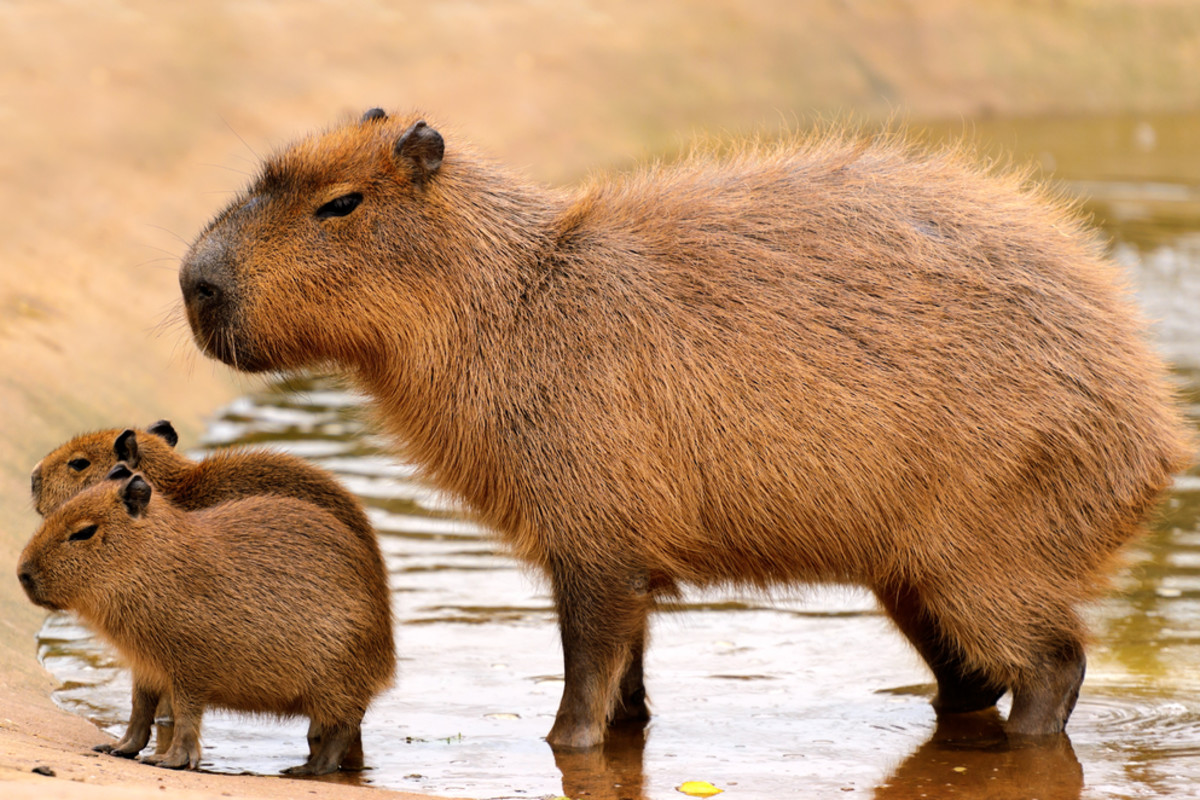
Credit: www.discovermagazine.com
Capybaras And Humans
In zoos and as pets, capybaras keep their calm attitude. They rarely bite or show fear, and they enjoy gentle handling. Many people say capybaras act like “giant guinea pigs. ”
But being chill doesn’t mean they are easy to care for. They need space, water, and company to stay happy. Lonely or stressed capybaras can become anxious, but with the right care, they remain gentle and relaxed.
Surprising Insights About Capybara Chill
Most people know capybaras are calm, but here are two facts that surprise beginners:
- Capybaras use “alarm barks” only in serious danger. They don’t overreact to small problems.
- Babies learn calm behavior from adults. Young capybaras copy their parents’ relaxed style, not just their actions.
This calmness is not just nature—it’s also taught and shared in the group.
Capybara Chill In Pop Culture
On social media, capybaras are famous for their peaceful vibe. Videos show them letting ducks sit on their backs or relaxing in hot springs with monkeys. This internet fame is based on real animal behavior, not just funny moments.
Their chill attitude has even inspired people to “be more like a capybara” in stressful situations.
Frequently Asked Questions
Why Do Capybaras Get Along With So Many Animals?
Capybaras are non-aggressive and do not compete for food with most species. Their gentle body language makes others feel safe around them.
Are Capybaras Good Pets?
Capybaras can be friendly pets if you have space, water, and a companion for them. They need special care and are not legal everywhere.
How Do Capybaras Handle Stress?
Capybaras use water to escape, stay in groups for comfort, and rarely fight. Their bodies also respond gently to stress.
What Is The Main Reason Capybaras Are So Chill?
It’s a mix of safe habitat, group living, calm body chemistry, and peaceful habits learned from adults.
Where Can I Learn More About Capybaras?
You can find more on the Wikipedia Capybara page, which offers detailed information and further resources.
Capybaras show that nature, nurture, and even chemistry can create a peaceful animal. Their chill attitude is a survival tool, a social skill, and now, a lesson for humans who want to stress less and enjoy life more.

Credit: www.greenmatters.com


