

Thinking about having a capybara as a pet? You’re not alone. These gentle giants are the world’s largest rodents and have become social media stars thanks to their calm nature and cute faces. But before you imagine a capybara lounging in your backyard, it’s important to understand what life with this unique animal really means.
Owning a capybara is not the same as having a dog or a cat. It comes with special responsibilities, legal issues, and a lifestyle change most people don’t expect.
Can You Legally Own A Pet Capybara?
The first question for most people is simple: Is it legal to keep a capybara as a pet in your area? The answer is not so simple. Laws vary from country to country, and even between states or cities.
In the United States, for example, some states allow capybaras with no restrictions, while others require special permits or ban them entirely. Here’s a quick comparison:
| Location | Legal Status | Permit Needed? |
|---|---|---|
| Texas | Allowed | No |
| California | Not Allowed | N/A |
| Florida | Allowed | Yes |
| New York City | Not Allowed | N/A |
Outside the US, rules can be even stricter. Many countries treat capybaras as exotic wildlife. Always check with your local animal control or wildlife agency before making plans. Don’t rely on pet store advice or online rumors.
What Is It Like To Own A Capybara?
Capybaras are not ordinary pets. They are semi-aquatic rodents that live in groups in the wild. Their needs are complex, and many first-time owners underestimate the work involved.
Housing And Space Needs
Capybaras are large—adults weigh 77 to 146 pounds (35 to 66 kg). They need plenty of space to move and swim. A typical backyard is often too small. Experts recommend:
- At least 250 square feet of outdoor space per capybara
- A swimming pool or pond, at least 3-4 feet deep
- Secure fencing at least 4 feet high (they are strong and can escape)
A small pen or indoor cage is not suitable for their size or mental health. They can become stressed or aggressive if kept in cramped spaces.
Diet And Feeding
Capybaras are strict herbivores. Their main food is grass, but they also eat vegetables and some fruits. A typical diet includes:
- Fresh grass or hay (timothy, orchard)
- Leafy greens (romaine, dandelion)
- Squash, carrots, sweet potatoes (in moderation)
- Special rodent pellets (for vitamins)
They eat a lot—adults can consume 6-8 pounds (3-4 kg) of food daily. Clean water is also essential, for both drinking and swimming.
Social And Emotional Needs
Capybaras are social animals. In the wild, they live in groups of 10–20. A single capybara can become lonely or depressed. Owners should consider adopting at least two. Some people try to bond their capybara with other pets, like dogs, but this is risky and not a substitute for another capybara.
Veterinary Care
Finding a vet who can treat capybaras is a real challenge. Few clinics have experience with exotic rodents. Regular checkups, dental care, and parasite prevention are all necessary. Emergency care can be expensive and hard to find.

Credit: www.awsfzoo.com
Pros And Cons Of Having A Pet Capybara
If you’re still interested, it’s good to weigh the advantages and challenges clearly. Here’s a look at both sides:
| Pros | Cons |
|---|---|
| Friendly and gentle | Require lots of space |
| Unique and interesting | Need a pool or pond |
| Can bond with humans | Legal restrictions |
| Low aggression if socialized | Can be noisy |
| Great for nature lovers | Specialized diet |
Many people fall in love with the idea of a capybara, but daily care is demanding. A common mistake is thinking that a capybara will behave like a dog or cat. They have their own personalities and can be stubborn or shy.
The Costs Of Pet Capybara Ownership
Capybaras are not cheap pets. The initial cost of a capybara ranges from $1,500 to $3,000. But the real expenses come afterward.
- Building an outdoor enclosure with a pool: $2,000–$10,000
- Monthly food costs: $50–$100
- Vet visits: $100–$300 per visit (if available)
- Permits or licenses: Varies by location
Unexpected costs, like emergency care or replacing chewed furniture, can add up quickly. Many people underestimate the long-term commitment.

Credit: www.thedunhamfarm.com
Non-obvious Insights Most Beginners Miss
- Capybaras need water for more than swimming. Their skin can dry out and crack if they don’t have access to water several times per day.
- They are expert escape artists. Capybaras can open latches and push through weak fences. Security is a real concern.
- Their teeth never stop growing. Without enough fiber or things to chew, their teeth can become overgrown, causing pain or infection.
- They can live 8–12 years. This is a long-term commitment. Many capybaras end up in rescue centers because owners were not prepared for their needs.
Alternative Pets To Consider
If a capybara sounds too challenging, you might consider other pets that are easier to care for but still unique:
- Guinea pigs: Smaller, easier to house, and have similar personalities.
- Rabbits: Social, gentle, and less demanding than capybaras.
- Ducks: Enjoy water and can be kept outdoors with less space.
Each animal has its own care requirements. Research before you decide.
Where To Learn More
If you want to dive deeper, reputable resources like the Wikipedia page on Capybaras provide detailed information on their natural habits, biology, and care needs.
Frequently Asked Questions
Can I Keep A Capybara Indoors?
No, capybaras are not suitable for indoor living. They need plenty of outdoor space and a swimming area to stay healthy and happy.
Are Capybaras Dangerous?
Capybaras are usually gentle, but they can bite if scared or stressed. They have sharp teeth and strong jaws. Socializing them from a young age helps reduce aggression.
How Much Do Capybaras Cost As Pets?
The purchase price is usually $1,500–$3,000. But the ongoing costs, including housing, food, and vet care, can be much higher over their lifetime.
Can I Have Just One Capybara?
It’s not recommended. Capybaras are social animals and can suffer from loneliness or depression if kept alone. It’s best to have at least two.
Do Capybaras Get Along With Other Pets?
Sometimes. Capybaras may tolerate calm dogs or cats, but there is always a risk. Never leave them unsupervised together, and never expect another species to replace the company of another capybara.
Deciding to keep a capybara is a big step. They can be wonderful animals for the right person, but they are not for everyone. Carefully consider the legal, financial, and personal responsibilities before bringing a capybara home. With the right preparation and mindset, you can provide a safe and happy life for these unique creatures.
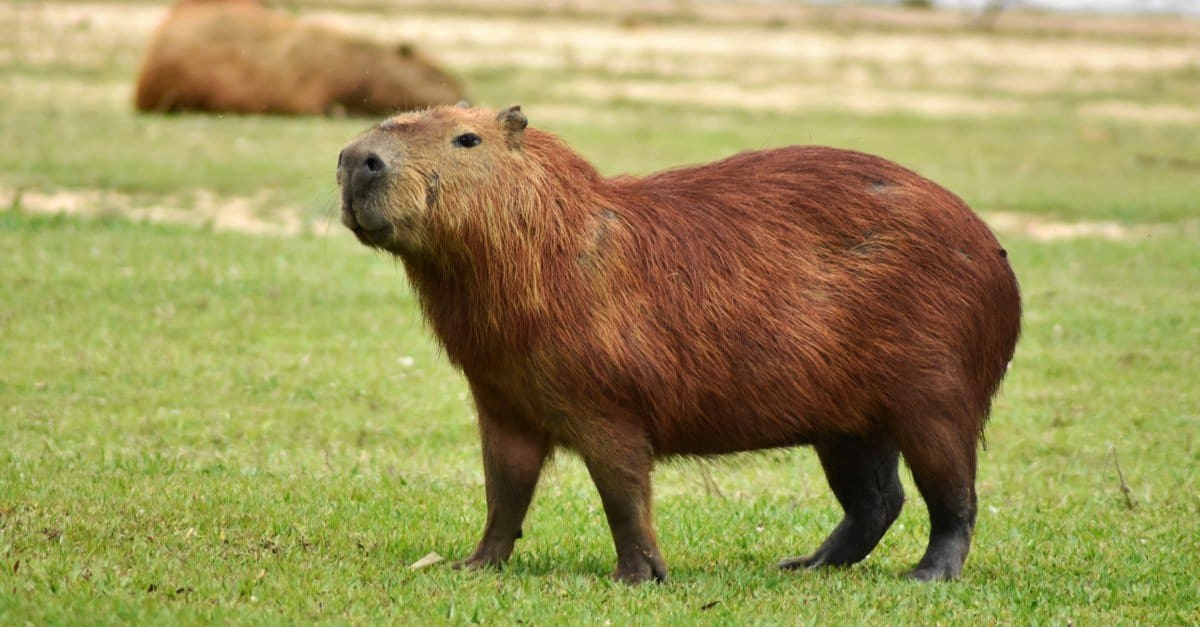
Credit: a-z-animals.com


