

Capybaras are curious animals that capture attention everywhere. Many people in Australia wonder if these large rodents are present in their country. This question comes up in zoos, wildlife parks, and even among pet lovers. Understanding the presence and status of capybaras in Australia helps people make informed decisions about wildlife, pets, and conservation.
What Are Capybaras?
Capybaras are the largest rodents in the world. Native to South America, they live near rivers, lakes, and wetlands. Adults can weigh up to 70 kilograms and stand about 50 centimeters tall at the shoulder. Capybaras are social animals, often found in groups of 10–20. Their gentle nature makes them popular in zoos and as exotic pets.
Some key features of capybaras:
- Semi-aquatic lifestyle (spend much time in water)
- Herbivorous diet (mainly grass, aquatic plants)
- Webbed feet for swimming
- Friendly temperament with humans and animals
Are Capybaras Native To Australia?
Capybaras are not native to Australia. Their natural habitat covers countries like Brazil, Venezuela, Colombia, and Argentina. Australia’s native wildlife is unique, with marsupials like kangaroos and koalas, and rodents such as the water rat and bush rat. Capybaras have never been part of this ecosystem.
Australia has strict laws to protect its environment from invasive species. The government controls what animals can enter and live in the country. Capybaras are not allowed to roam free or breed in the wild. This helps avoid damage to local plants and animals.
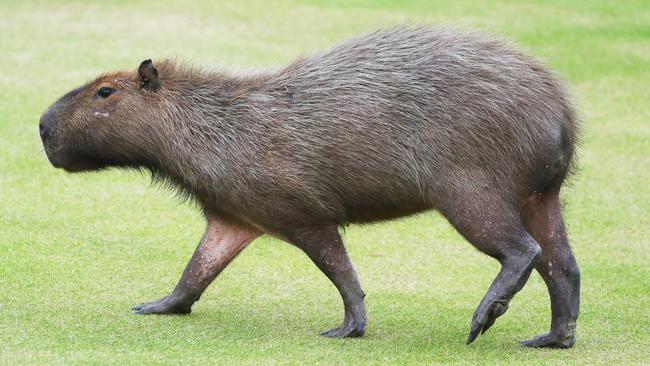
Credit: www.foxsports.com.au
Capybaras In Australian Zoos And Parks
While capybaras are not wild in Australia, they are found in some zoos and wildlife parks. These places offer a safe environment for capybaras and visitors. People can see capybaras up close, learn about their habits, and watch them swim or eat.
Some well-known places where you can see capybaras:
- Melbourne Zoo
- Taronga Zoo (Sydney)
- Wildlife HQ (Sunshine Coast)
- Adelaide Zoo
These zoos follow strict rules for animal welfare. Capybaras get proper food, medical care, and space to swim. Most zoos keep small groups of capybaras to match their social needs.
Capybara Exhibit Comparison
Here’s a look at how three major zoos manage capybara exhibits:
| Zoo Name | Group Size | Pool Area | Diet Provided |
|---|---|---|---|
| Melbourne Zoo | 5–7 | Large natural pond | Grass, vegetables, pellets |
| Taronga Zoo | 3–5 | Artificial stream | Fresh greens, hay, roots |
| Wildlife HQ | 4 | Small lake | Mixed salad, aquatic plants |
Legal Status Of Capybaras In Australia
The Australian government lists capybaras as exotic animals. People cannot import them as pets without special permits. Most states and territories ban keeping capybaras at home because of risks to the environment.
State Regulations Overview
Let’s compare some state policies:
| State | Pet Allowed | Zoo Allowed | Permit Needed |
|---|---|---|---|
| New South Wales | No | Yes | Zoo license |
| Victoria | No | Yes | Zoo license |
| Queensland | No | Yes | Zoo license |
| Western Australia | No | Yes | Zoo license |
It’s clear from these rules that capybaras are not allowed as pets in any state. Only licensed zoos and wildlife parks can keep them.
Risks Of Introducing Capybaras To Australia
Bringing capybaras to Australia could cause several problems. Australia’s history with invasive species is well known. Rabbits, foxes, and cane toads caused massive environmental damage. Capybaras could create similar issues if released into the wild.
Potential risks include:
- Damage to wetlands: Capybaras eat large amounts of grass and aquatic plants. This could affect native plants and food for local animals.
- Spread of disease: Capybaras can carry parasites that may harm other wildlife.
- Competition with native species: Local rodents and marsupials could lose food and habitat.
Experts agree that keeping capybaras out of the wild is the best approach. Australia’s quarantine system is designed to protect the environment and stop new pests from entering.
Capybaras As Pets: Why Not In Australia?
Many people see videos and photos of capybaras as pets in other countries. They look friendly and easy to care for. However, the reality is more complex.
Challenges of owning capybaras:
- Space requirement: Capybaras need a large area with water for swimming.
- Social needs: They must live in groups, not alone.
- Special diet: Their food is not the same as common pets.
- Health risks: Capybaras can carry diseases dangerous to humans and animals.
Australia’s laws reflect these facts. Only trained zookeepers or wildlife experts can handle capybaras. Even then, strict rules apply.
Capybara Population Data
Globally, capybaras are not endangered. They thrive in their home countries, with an estimated population in the millions. In Australia, their numbers are very small and limited to zoos.
Estimated capybara numbers in Australian zoos:
| Zoo Location | Number of Capybaras |
|---|---|
| Melbourne | 6 |
| Sydney | 4 |
| Adelaide | 3 |
| Sunshine Coast | 4 |
| Perth | 2 |
These numbers show how rare capybaras are in Australia. Zoos carefully manage their populations and do not breed them for sale.
Non-obvious Insights About Capybaras In Australia
Many beginners do not realize:
- Quarantine rules apply even for zoo animals. Capybaras must go through strict checks before entering Australia. This prevents diseases from spreading.
- Zoos sometimes rotate capybara exhibits. If a capybara group is moved, it is usually for health or breeding reasons, not because they are being released or sold.
These details help explain why capybaras remain uncommon and highly regulated.
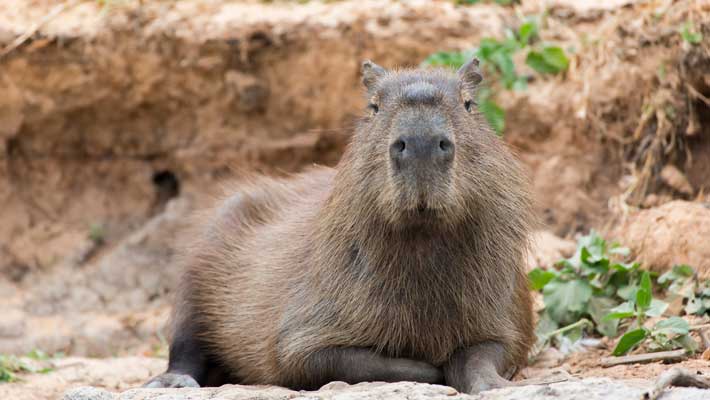
Credit: taronga.org.au
Where To Learn More About Capybaras
If you want to read more about capybaras, visit the Wikipedia Capybara page for detailed information on their biology, habitat, and behavior.
Frequently Asked Questions
Can You Own A Capybara As A Pet In Australia?
No, capybaras are not allowed as pets in Australia. Only licensed zoos and wildlife parks can keep them.
Are Capybaras Dangerous To Native Wildlife?
Capybaras could be harmful if released. They may eat native plants, compete with local animals, and spread diseases.
Where Can I See Capybaras In Australia?
You can see capybaras in major zoos like Melbourne Zoo, Taronga Zoo, and Wildlife HQ. These zoos provide safe viewing environments.
How Many Capybaras Live In Australia?
There are fewer than 20 capybaras in Australia, all living in zoos and wildlife parks.
Why Are Capybaras Popular Online But Rare In Australia?
Capybaras are social, gentle, and fun to watch. Online videos show them as pets in other countries, but strict laws keep them rare in Australia to protect the environment.
Australia’s approach to capybaras is careful and responsible. While you can enjoy them in zoos, it’s important to respect local laws and protect native wildlife. Understanding these facts helps everyone appreciate capybaras safely and wisely.

Credit: capycool.com.au


