

Capybaras are fascinating creatures, often called the world’s largest rodents. Many people see their calm nature and wonder what keeps these animals so healthy and peaceful. The secret lies in their diet. What does the capybara eat, and how does their food help them survive in the wild?
In this article, you’ll learn everything you need to know about the capybara’s eating habits, favorite foods, and the unique ways they find and process their meals.
The Natural Diet Of Capybaras
In the wild, capybaras live near rivers, lakes, and wetlands across South America. Their habitat gives them access to a wide variety of plant foods. Capybaras are herbivores, which means they only eat plants. They spend many hours each day looking for food, often grazing in groups.
Their main foods include:
- Grasses
- Aquatic plants
- Fruits
- Bark and tree roots
- Vegetables (when available)
- Occasional grains
Capybaras eat about 3-4 kilograms of food daily. Their bodies are designed to get the most nutrition from tough, fibrous plants that other animals find hard to digest.
Capybara’s Favorite Foods
Grasses
The biggest part of a capybara’s diet is fresh grass. They eat both short and tall grass, depending on what is available. In the dry season, when grass is harder to find, capybaras eat reeds, hay, and even dried grass. Their sharp teeth help them chew even the toughest blades.
Aquatic Plants
Because capybaras live near water, they often eat water plants like water hyacinth, duckweed, and water lettuce. These plants are rich in fiber but also help capybaras stay cool and hydrated in hot weather.
Fruits And Vegetables
Wild capybaras eat fruits that fall from trees, such as guava, mango, and watermelon. They will also nibble on vegetables when available, such as squash or carrots. However, fruits are a small part of their diet because too much sugar can upset their digestion.
Bark, Roots, And Tree Leaves
When grasses are scarce, capybaras turn to tree bark, roots, and leaves. These foods are harder to chew but provide important minerals and roughage. Capybaras sometimes strip the bark from trees to eat the soft layer underneath.
Special Note: Coprophagy
One unusual fact is that capybaras practice coprophagy—they eat their own soft, early-morning droppings. This may sound strange, but it is vital for their health. These droppings contain bacteria and nutrients that help them digest tough plants. Without this process, capybaras could not get enough vitamins from their food.
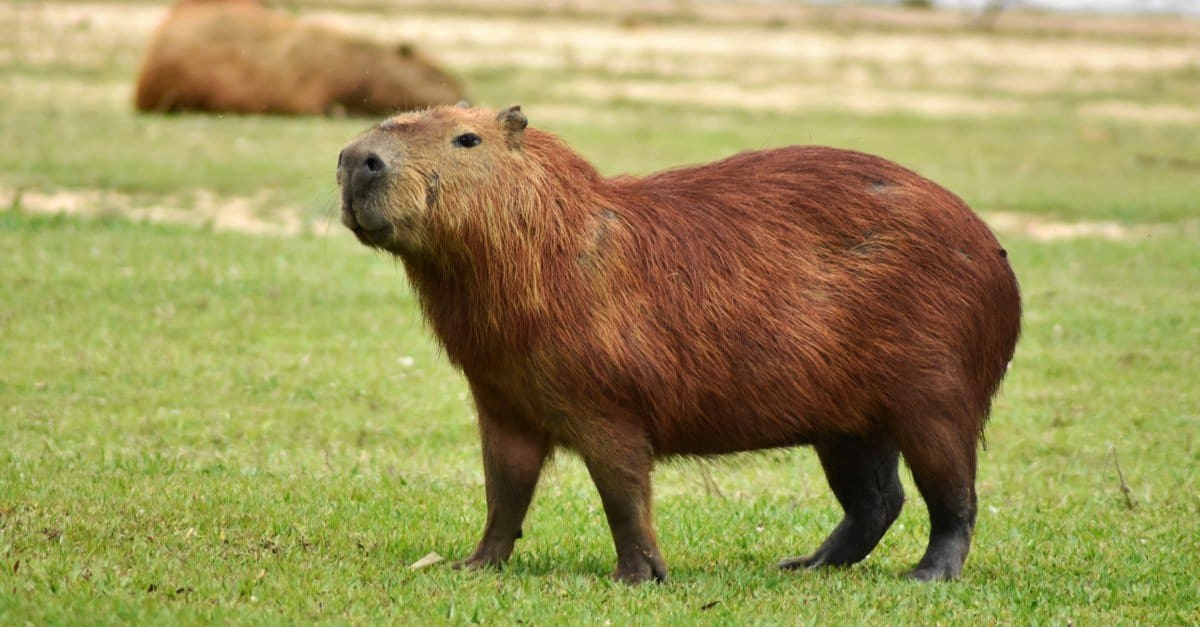
Credit: a-z-animals.com
Capybara Diet In Captivity
In zoos or as pets, capybaras are fed a carefully balanced diet. Zookeepers use a mix of hay, fresh grass, and special rodent pellets. They may also give small amounts of fruits and vegetables as treats.
Here’s a typical daily menu for a captive capybara:
| Food Item | Amount per Day | Purpose |
|---|---|---|
| Fresh Grass or Hay | 2-3 kg | Main fiber source |
| Rodent Pellets | 200-300 g | Balanced nutrition |
| Fruits/Vegetables | 100-200 g | Vitamins, treats |
| Aquatic Plants | As available | Hydration, variety |
Capybaras need constant access to clean, fresh water, not just for drinking but also for swimming. Water helps them stay cool and supports their digestive system.
How Capybaras Eat
Capybaras are most active in the early morning and late afternoon. During these hours, they gather in groups and graze quietly. Their sharp front teeth grow continuously, so chewing tough plants helps keep their teeth the right length. Capybaras use their lips and front teeth to pull and cut plants, then grind them with their back teeth.
A unique feature of capybara digestion is their enlarged cecum. This part of the gut helps break down cellulose from plants, turning it into energy. The process is slow, so capybaras spend several hours each day just eating and resting.

Credit: petcapybara.com
Seasonal Changes In Diet
Capybara diets change with the seasons. In the wet season, food is plentiful, and they eat mostly green grass and water plants. In the dry season, they have to search harder for food. They might eat more bark, roots, or even raid crops on nearby farms.
Here’s a comparison of what capybaras eat in different seasons:
| Season | Main Foods | Challenges |
|---|---|---|
| Wet Season | Green grass, water plants, fruits | Food is easy to find |
| Dry Season | Dried grass, bark, roots | Food is scarce, less variety |
Non-obvious insight: Capybaras sometimes eat crops like sugarcane or corn near farms in the dry season. This can cause problems with farmers, but it shows how adaptable these animals are.
Capybara Diet Compared To Other Rodents
People often wonder how capybara diets compare to other rodents. While many rodents eat seeds or nuts, capybaras focus on grass and aquatic plants. This is similar to guinea pigs but quite different from rats or squirrels.
| Animal | Main Diet | Unique Features |
|---|---|---|
| Capybara | Grasses, aquatic plants | Coprophagy, large size |
| Guinea Pig | Grass, hay, vegetables | Similar digestion |
| Rat | Seeds, grains, fruits | Omnivorous |
| Squirrel | Nuts, seeds, fruit | Climbing for food |
Non-obvious insight: Capybaras are one of the few rodents that rely so heavily on water plants. Their connection to water is key to their survival and diet.
Dangers And Mistakes In Capybara Feeding
If you care for capybaras, avoid common mistakes:
- Feeding too much fruit: High sugar upsets their stomach.
- Giving animal foods: They cannot digest meat, dairy, or cooked foods.
- Lack of fiber: Without enough grass or hay, capybaras can get sick.
- Dirty water: Always provide fresh, clean water for drinking and bathing.
Capybaras have sensitive digestion. Changes in their diet should be slow and careful.
For a deeper look at capybara biology, you can visit the Wikipedia page on capybaras.
Frequently Asked Questions
What Do Capybaras Eat In The Wild?
Capybaras eat mostly grasses, aquatic plants, fruits, and bark. They sometimes eat soft droppings for extra nutrients.
Can Capybaras Eat Human Food?
No, capybaras should not eat cooked foods, meat, or dairy. Their bodies are made for raw, fibrous plants.
How Much Does A Capybara Eat Every Day?
An adult capybara eats about 3-4 kilograms of food each day, mostly grass and hay.
Do Capybaras Need Water Plants To Survive?
Water plants help keep capybaras healthy and hydrated, but they can survive on grass and hay if water plants are not available.
Why Do Capybaras Eat Their Own Droppings?
This process, called coprophagy, helps them absorb vitamins and break down plant fiber more completely.
Capybaras are peaceful and interesting animals, and their diet is a big part of what makes them unique. If you understand what capybaras eat, you can see how they fit perfectly into their wetland world—always grazing, always near water, and always finding a way to make the most of what nature provides.

Credit: www.wildlifenomads.com


