

Have you ever wondered how many capybaras are left in the world? These gentle giants are more than just cute animals—they play an important role in their ecosystems.
But their numbers are changing, and it could affect much more than you think. If you care about wildlife and want to know the truth behind capybara populations, keep reading. This article will give you clear answers and surprising facts that might change how you see these amazing creatures.
Your curiosity about capybaras is about to be rewarded.
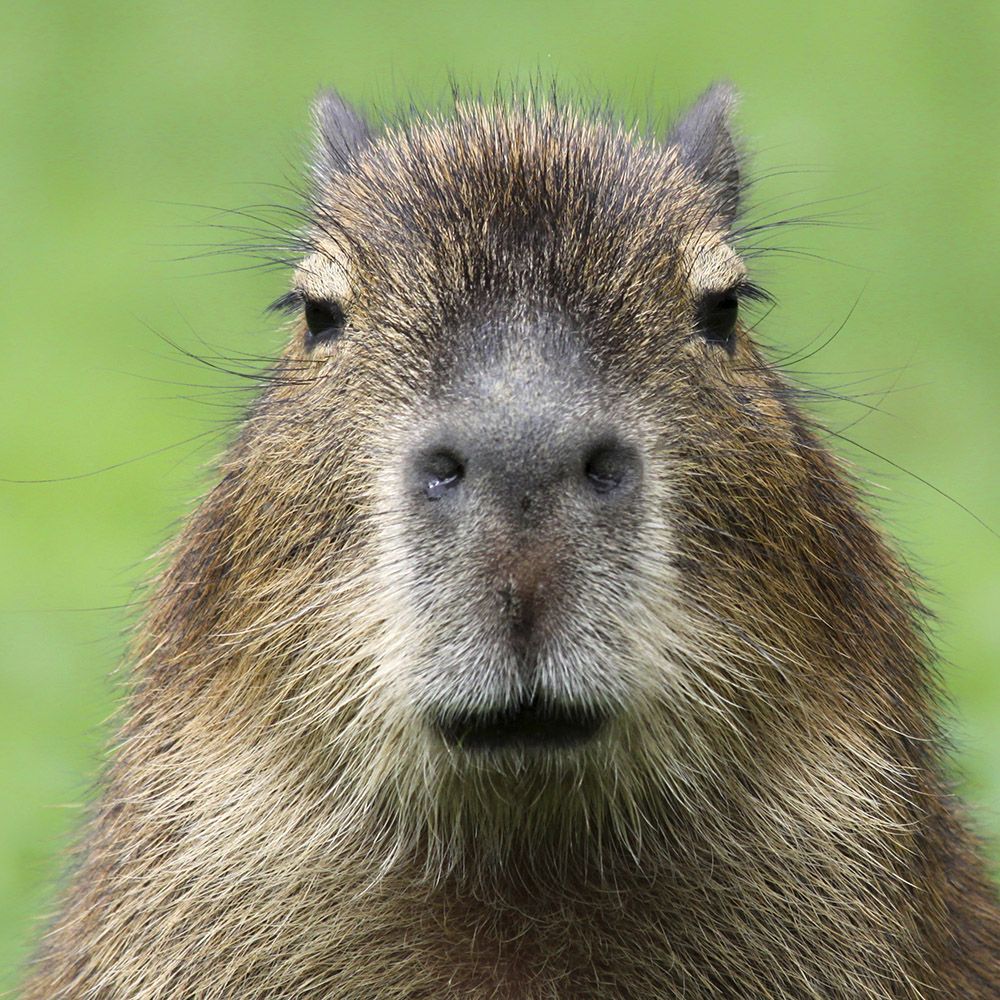
Credit: www.rainforest-alliance.org
Capybara Population Today
Capybaras are the largest rodents on Earth. Their population size today helps us understand their survival status. People often wonder how many capybaras still live in the wild. This section gives clear facts about their current numbers and where they live.
Knowing the capybara population helps protect them better. It also shows how healthy their habitats are. Let’s explore the latest estimates and their geographic spread.
Current Population Estimates
Scientists estimate there are around 2 million capybaras worldwide. These numbers come from field studies and wildlife surveys. The population is stable in many regions. Some areas even show growth due to conservation efforts.
Capybaras reproduce quickly, which helps keep their numbers steady. Their ability to adapt to different environments supports this growth. Despite threats, their population is not currently endangered.
Geographic Distribution
Capybaras mainly live in South America. Countries like Brazil, Venezuela, and Colombia have large populations. They prefer wet areas like rivers, lakes, and swamps. These habitats provide food and safety from predators.
Small groups of capybaras have also been found outside their native range. Some live in parts of Central America and even in Florida, USA. Their distribution depends on water availability and vegetation.
Factors Affecting Population
Capybaras face many challenges that affect their numbers. Their population changes because of several key factors. Understanding these helps us see why their numbers might drop or rise.
Habitat Loss And Deforestation
Capybaras live near water in forests and grasslands. Cutting down trees removes their homes. Farms and cities replace these areas. Without safe places, capybaras struggle to survive and breed.
Hunting And Poaching
Some people hunt capybaras for meat or skin. Illegal hunting reduces their numbers quickly. Poaching happens in areas with weak wildlife protection. This puts extra pressure on wild populations.
Climate Change Impact
Changing weather affects water sources and plants. Droughts can dry up rivers and lakes. Floods can destroy nests and food supply. These changes make life harder for capybaras to thrive.
Capybara Conservation Efforts
Capybara conservation efforts focus on protecting these large rodents and their habitats. These efforts help keep capybara populations stable. They also work to raise awareness about the capybara’s role in the ecosystem. Many groups and communities support these programs.
Protected Areas And Reserves
Many capybaras live in protected areas and wildlife reserves. These places offer safe habitats free from hunting and destruction. Governments and organizations create these zones to preserve nature. Protected areas help capybaras find food, water, and shelter easily. They also provide safe spaces for breeding and raising young.
Breeding Programs
Breeding programs help increase capybara numbers. Zoos and wildlife centers work together to breed capybaras in safe environments. These programs focus on healthy animals and genetic diversity. They sometimes release capybaras back into the wild. This practice supports wild populations and helps balance ecosystems.
Community Involvement
Local communities play a key role in capybara conservation. They learn how to protect capybaras and their habitats. People help by reporting illegal hunting or habitat damage. Some communities create eco-tourism projects to benefit from capybara protection. This involvement encourages respect and care for wildlife.
Capybara’s Role In Ecosystems
Capybaras are the largest rodents in the world. They live near water in forests and grasslands. Their presence affects many parts of the ecosystem. They help plants grow and keep animal populations balanced. Understanding their role shows why they are important to nature.
Capybaras interact with plants and animals in many ways. These interactions help keep the ecosystem healthy and working well. Their activities support both land and water environments.
Seed Dispersal And Vegetation Control
Capybaras eat many types of plants, including grasses and fruits. Seeds pass through their digestive system and spread in new places. This helps plants grow in different areas. They also control plant growth by eating large amounts of vegetation. This prevents some plants from taking over and allows others to thrive.
Prey And Predator Relationships
Capybaras are food for many predators like jaguars and caimans. Their presence supports these predator populations. At the same time, capybaras watch for danger and warn others. This helps many animals survive and keeps predator numbers balanced. Their role as prey is key to the food chain in their habitats.
Future Population Projections
The future population of capybaras depends on many factors. Scientists study trends to estimate how their numbers might change. These predictions help understand the risks and chances for capybara survival. They also guide efforts to protect these unique animals.
Potential Threats Ahead
Habitat loss remains a big danger for capybaras. As forests and wetlands shrink, capybaras lose safe homes. Pollution affects their water sources and health. Hunting still happens in some areas, reducing their numbers. Climate change could alter their habitats and food supplies. These threats could cause population declines if not managed.
Optimistic Recovery Scenarios
Conservation programs help protect capybara habitats. Protected areas provide safe spaces for capybaras to live and breed. Community education reduces hunting and promotes coexistence. Some regions show signs of population recovery. With ongoing support, capybaras could thrive in the wild again. Careful planning and action can improve their future greatly.
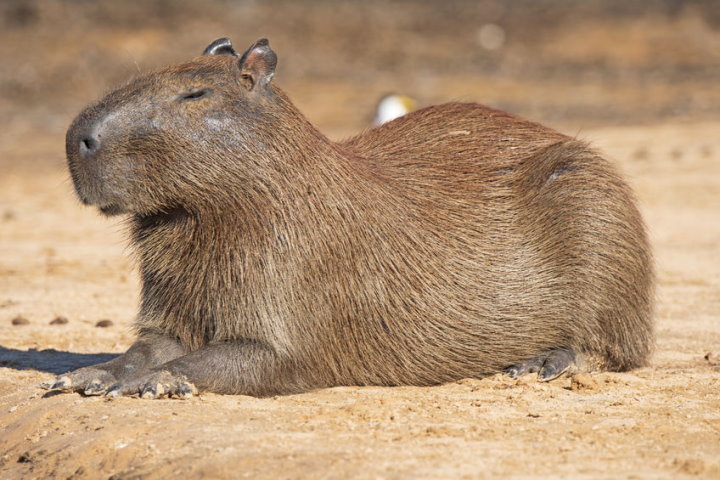
Credit: www.savacations.com
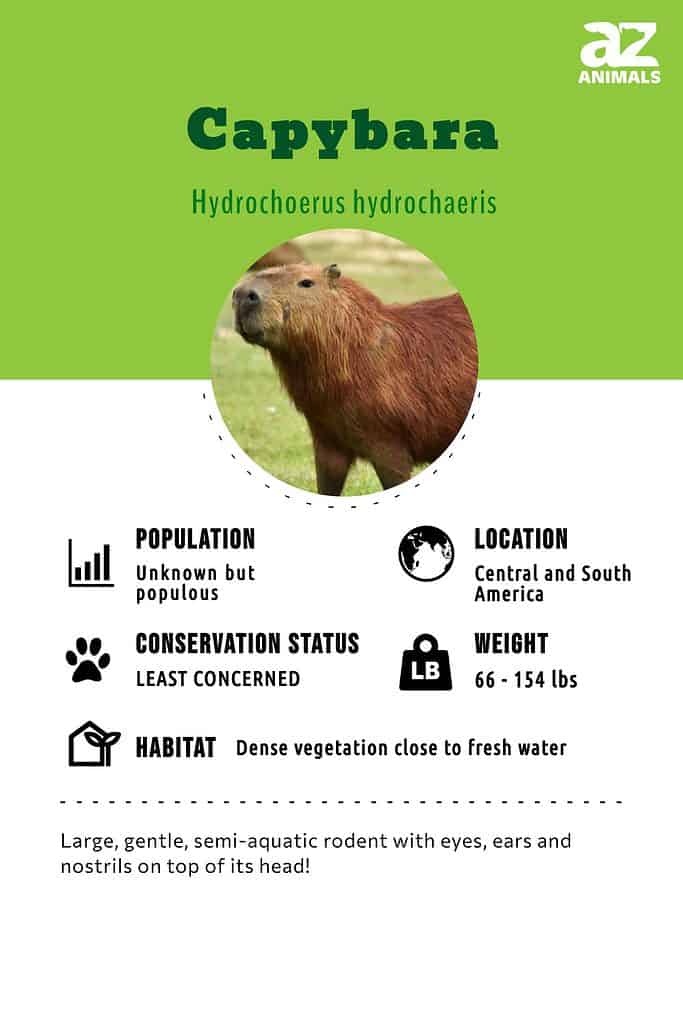
Credit: a-z-animals.com
How Capybara World Can Help You with How Many Capybaras are Left in the World
Learning More About Capybara Populations and Their Future
Understanding how many capybaras remain in the wild opens the door to some pretty cool learning opportunities. For starters, diving into the factors affecting their population—like habitat loss and climate change—can give you a clearer picture of the challenges these chill creatures face. It’s not just about numbers; it’s about the delicate ecosystems capybaras help balance. Exploring their role in wetlands, for example, reveals how they contribute to biodiversity and water quality.
If you’re curious about how conservation efforts actually work or what future population projections look like, resources like Capybara World can be a goldmine. Founded by wildlife biologist Marina Velasco, the site offers insights based on real field research and expert veterinary care. Whether you’re a student, a wildlife fan, or just capybara-curious, reaching out at hello@capybara-world.com might connect you with even more educational content or community discussions to deepen your understanding.
Frequently Asked Questions
How Many Capybaras Are Left In The Wild?
There are an estimated 2 million capybaras in the wild. They mostly live in South America’s wetlands and forests. Their population is stable but varies by region due to habitat changes and hunting.
Where Do Most Wild Capybaras Live?
Most wild capybaras inhabit countries like Brazil, Venezuela, and Colombia. They prefer areas near water like rivers, lakes, and marshes. These habitats provide food and protection, making them ideal for capybaras’ survival.
Are Capybaras Endangered Or At Risk?
Capybaras are not currently endangered. They are classified as Least Concern due to their large population and adaptability. However, habitat loss and hunting could impact some local populations in the future.
What Threats Affect Capybara Populations?
Habitat destruction, hunting, and water pollution are major threats. Deforestation reduces their living space, while hunting targets them for meat and hides. Pollution affects the water quality they rely on for survival.
Conclusion
Capybaras still live in many parts of South America. Their numbers remain stable but face threats from habitat loss. Protecting wetlands helps keep capybaras safe and healthy. People enjoy watching these gentle animals in the wild. Conservation efforts play a key role in their future.
Every small action can support capybara survival. These creatures remind us how important nature is. Let’s value and protect them for generations to come.


