

Have you ever wondered how much a capybara weighs? These gentle giants are the largest rodents in the world, and their size might surprise you.
Knowing their weight can help you understand their behavior, care needs, or just satisfy your curiosity. You’ll discover the typical weight range of capybaras and what factors can affect it. Keep reading to find out everything you need to know about these fascinating creatures and their impressive size.
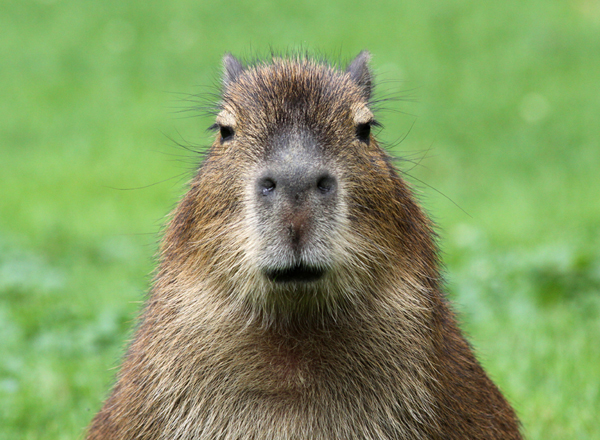
Credit: www.livescience.com
Capybara Size Range
Capybaras are the world’s largest rodents. Their size varies across individuals, influenced by factors like age and gender. Understanding their size range helps us appreciate these unique animals better.
Average Adult Weight
Adult capybaras usually weigh between 77 and 146 pounds. Most fall close to 100 pounds. Their size makes them quite large compared to other rodents.
Weight Differences By Gender
Male capybaras tend to weigh more than females. Males can be up to 10% heavier. This difference is common in many animal species.
Growth Stages And Weight
Baby capybaras start very small, often under 5 pounds. They grow quickly during their first year. By adulthood, they reach their full size and weight.
Factors Influencing Capybara Weight
Capybara weight varies due to several important factors. These factors shape how much a capybara grows and maintains its body size. Understanding these influences helps explain weight differences among capybaras in the wild and captivity.
Diet And Nutrition
Capybaras eat mostly grasses and aquatic plants. The quality and quantity of their food directly affect their weight. A rich diet with enough nutrients supports healthy growth. Poor nutrition can lead to weight loss or stunted size. Access to fresh water also plays a role in their overall health and weight.
Habitat Impact
Capybaras live near rivers, lakes, or wetlands. The habitat influences their food availability and safety. A safe, resource-rich environment helps capybaras gain and maintain weight. Stress from predators or habitat loss can cause weight loss. Seasonal changes in habitat also affect food supply and body weight.
Health And Genetics
Genetics set the potential size a capybara can reach. Some capybaras inherit genes for larger or smaller bodies. Health problems like parasites or illness reduce weight. Regular check-ups and care improve health and weight stability. Strong genetics and good health combine for optimal capybara weight.
Comparing Capybaras To Other Rodents
Capybaras are unique rodents with a size that surprises many. They are the largest rodents on Earth. Comparing their weight to other rodents helps us understand their size better. This section looks at capybaras alongside other common rodents.
Weight Comparison With Guinea Pigs
Guinea pigs are small rodents often kept as pets. They usually weigh between 2 to 3 pounds. Capybaras weigh much more, around 77 to 146 pounds. This makes capybaras about 30 to 70 times heavier than guinea pigs. The size gap is huge, even though both belong to the same rodent family.
Capybaras Vs Beavers
Beavers are another large rodent. They weigh between 35 and 70 pounds. Capybaras are heavier, often almost twice as much as beavers. Both animals live near water but have different body shapes. Capybaras are more rounded, while beavers have flat tails and strong teeth for chewing wood.
Largest Rodents In The World
Capybaras hold the title of the largest rodents in the world. No other rodent grows heavier or bigger. Their size helps them swim and stay safe from predators. Other big rodents include beavers and porcupines, but they remain smaller than capybaras. This size difference makes capybaras special in the rodent family.
Weight Variations In Captivity Vs Wild
Capybaras show clear weight differences between wild and captive environments. These differences come from many factors that affect their growth and health. Understanding these factors helps explain why a capybara in captivity might weigh more or less than one in the wild.
Wild capybaras usually weigh less than captive ones. They live in natural habitats with varied food and more movement. Captive capybaras often have steady food and less need to move far. This affects their weight and body condition.
Diet Differences
Wild capybaras eat grasses, water plants, and fruits found nearby. Their diet changes with the seasons and availability. Captive capybaras get regular meals with controlled nutrients. This steady diet can lead to weight gain. Sometimes, they receive treats that are high in calories.
Activity Levels
In the wild, capybaras travel long distances to find food and water. They swim, run, and hide from predators. These activities burn many calories. Captive capybaras have less space and fewer dangers. Their movement is limited, which lowers calorie use. Less exercise often causes higher weight.
Environmental Factors
Wild capybaras face weather changes and natural challenges. These affect their energy needs and body weight. Captive capybaras live in stable environments with controlled temperatures. They do not face threats that cause stress or extra activity. This calm setting can lead to weight changes that differ from wild capybaras.
Surprising Weight Facts
Capybaras are large rodents that surprise many with their weight. Many expect them to be small because they look calm and gentle. In reality, these animals can weigh much more than you think. Their weight plays an important role in their daily life and behavior.
Understanding capybara weight helps us learn more about their needs and habits. Here are some surprising facts about how much capybaras weigh.
Record-breaking Capybaras
The heaviest capybaras ever recorded weighed over 140 pounds (63 kg). Most capybaras do not reach this size, but some in the wild grow very large. These big capybaras often live in areas with plenty of food and water. Their size helps them stay safe from predators and swim well in rivers.
Misconceptions About Size
Many people think capybaras are small pets like guinea pigs. Capybaras are much bigger than guinea pigs. Adult capybaras usually weigh between 70 and 110 pounds (32 to 50 kg). Their size can surprise first-time observers. They look peaceful but are strong animals that need space.
Weight And Behavior
Capybaras’ weight affects how they move and behave. Heavier capybaras tend to swim better and float easily. Their weight supports resting in water for long periods. It also helps them stay warm and safe. Lighter capybaras may be faster on land but less stable in water. Weight influences their social habits, too, as larger capybaras often lead groups.
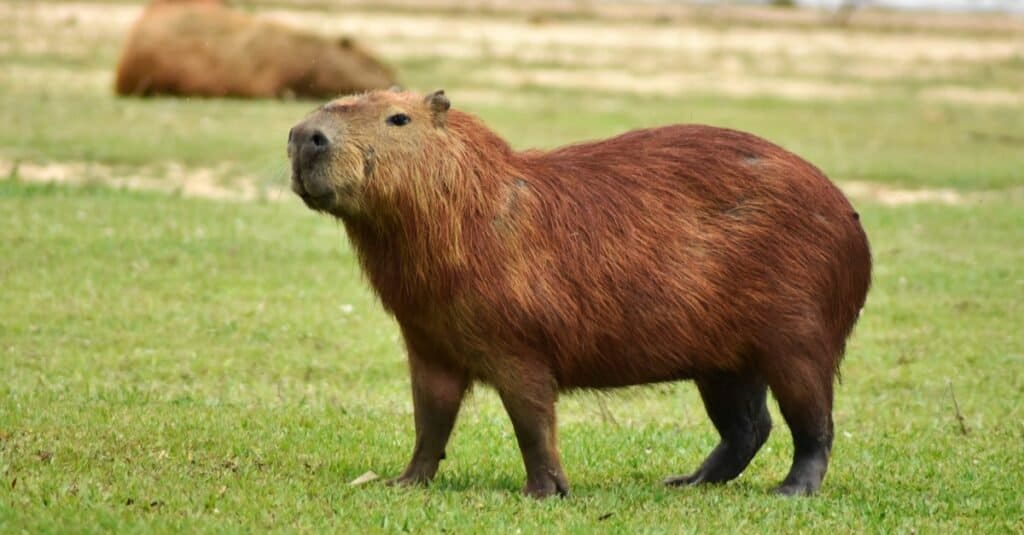
Credit: a-z-animals.com
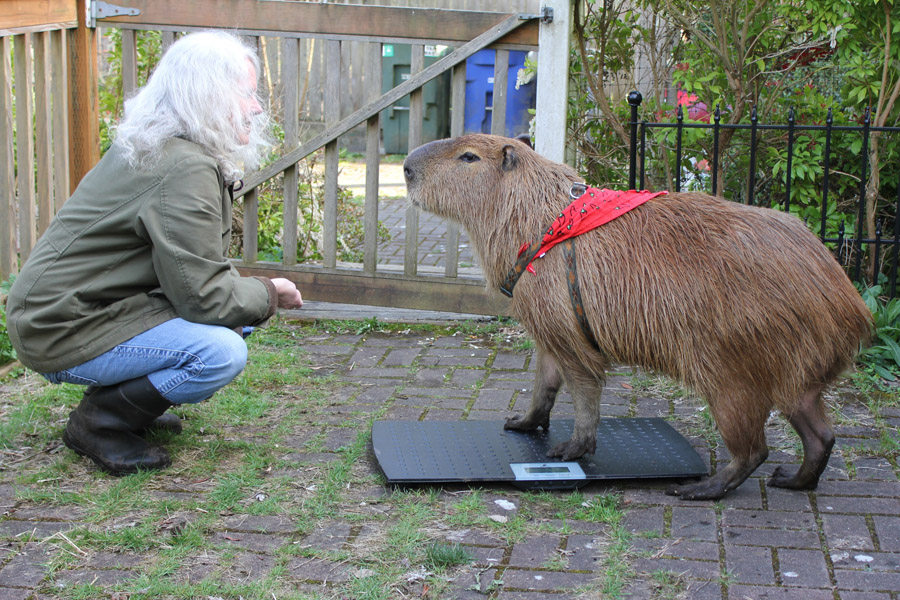
Credit: rousfoundation.com
How Capybara World Can Help You with How Much Do Capybaras Weigh
Practical Learning from Capybara Weight Insights
Understanding how much capybaras weigh opens up some neat opportunities to learn about their biology and care. For example, knowing the weight variations in captivity versus the wild helps us appreciate how environment impacts their health and growth. It’s like a living lesson in ecology and animal husbandry rolled into one.
Exploring the factors influencing capybara weight—like diet, age, and habitat—can spark curiosity about broader wildlife science topics. It’s a chance to think critically about how animals adapt and thrive in different conditions, which is exactly what wildlife biologists like Marina Velasco study in the field.
- Compare capybara weights with other rodents to understand evolutionary differences.
- Observe how changes in diet or activity might affect a capybara’s size and well-being.
- Consider how conservation efforts support healthy populations in their natural wetlands.
If you’re diving deeper into capybara care or research, resources like Capybara World offer carefully reviewed insights from experts including vets and biologists. Feel free to reach out at hello@capybara-world.com for thoughtful answers to your capybara questions.
Frequently Asked Questions
How Much Does An Adult Capybara Weigh?
Adult capybaras typically weigh between 77 to 146 pounds. Their weight varies based on age, diet, and habitat conditions. This makes them the largest rodents in the world.
What Is The Average Weight Of A Baby Capybara?
Baby capybaras usually weigh around 3 to 4 pounds at birth. They grow rapidly, reaching adult weight within a year. Early weight depends on the mother’s health and nutrition.
Do Male And Female Capybaras Weigh Differently?
Male and female capybaras have similar weight ranges. Males may be slightly heavier due to muscle mass. However, the difference is generally minimal and not very noticeable.
How Does Diet Affect Capybara Weight?
A nutritious diet helps capybaras maintain a healthy weight. Poor diet or lack of food can lead to weight loss. They mainly eat grasses, aquatic plants, and fruits.
Conclusion
Capybaras weigh between 77 and 146 pounds on average. Their size helps them live well in water and on land. Young capybaras weigh much less but grow fast. Knowing their weight helps understand their needs and habits. These animals are gentle and social, often living in groups.
Their weight shows how strong and calm they can be. Learning about capybaras makes them more interesting to watch and study. They are unique creatures with special traits worth knowing.


