

Are Capybara And Nutria The Same Animal
People often confuse the capybara and nutria. Both live near water, have large bodies, and look a bit like giant rodents. But are capybara and nutria actually the same animal? The answer is no. While they share some similarities, there are important differences in their size, appearance, behavior, and where they live. Understanding these differences helps you spot them in the wild and know more about their role in nature.
What Are Capybara And Nutria?
The capybara (Hydrochoerus hydrochaeris) is the largest rodent in the world. It comes from South America and spends much of its time in and around water. Capybaras are social animals, often seen in groups.
The nutria (Myocastor coypus), sometimes called coypu, is also a large rodent from South America. Nutrias are smaller than capybaras and have been introduced to many other places, including North America and Europe, sometimes causing problems for local wildlife.
Physical Differences
At first glance, both animals may look similar, but a closer look reveals clear differences.
| Feature | Capybara | Nutria |
|---|---|---|
| Size | 100-150 cm (39-59 in) | 40-60 cm (16-24 in) |
| Weight | 35-66 kg (77-146 lbs) | 5-9 kg (11-20 lbs) |
| Tail | Almost no tail | Long, round tail |
| Fur | Coarse, brownish fur | Soft, dense, and orange teeth |
A capybara is much larger than a nutria. Capybaras have a heavy, barrel-shaped body and almost no tail. Nutrias have a long, round tail, similar to a rat’s, and bright orange teeth.
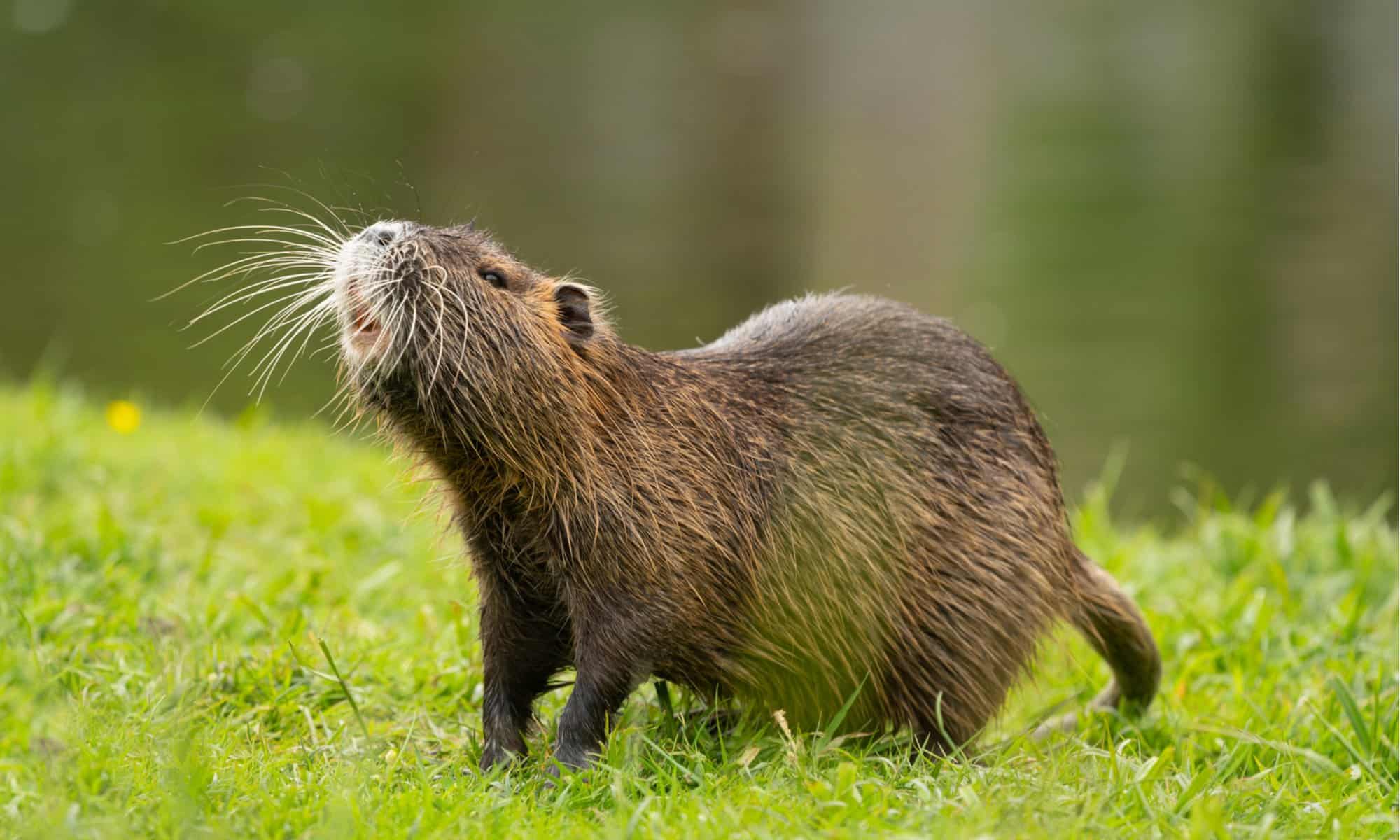
Credit: a-z-animals.com
Habitat And Range
Both animals come from South America, but their habitats are different.
- Capybaras live in savannas, wetlands, and along rivers, mostly in Brazil, Venezuela, Colombia, and Argentina.
- Nutrias prefer marshes, swamps, and slow-moving rivers. They have spread to the United States, Europe, and Asia after being introduced for fur farming.
Nutrias have become an invasive species in many regions. This means they damage local plants, riverbanks, and compete with native species. Capybaras, on the other hand, are not usually invasive.
Behavior And Diet
| Behavior | Capybara | Nutria |
|---|---|---|
| Social Structure | Large family groups (10–20) | Small groups, sometimes solitary |
| Daily Habits | Mainly active in morning/evening | Mostly nocturnal (active at night) |
| Diet | Grasses, aquatic plants | Roots, stems, crops |
Capybaras are gentle, social, and rarely aggressive. They graze on grasses and plants near water. They need to live close to water for swimming and keeping cool. Capybaras can dive underwater to avoid predators and often sleep in water with only their noses out.
Nutrias are more secretive and mostly active at night. They eat a wider range of plants and can even damage crops. Nutrias dig burrows, which can cause riverbanks to collapse—a major problem in some areas.
Reproduction And Life Cycle
Capybaras and nutrias have different ways of raising their young.
- Capybara females give birth to 2–8 young after a pregnancy of about 150 days. Babies can walk and swim soon after birth, and the whole group helps protect them.
- Nutria females can have up to 13 babies per litter, and they breed year-round. Their young are born with fur and open eyes, ready to swim right away.
Nutrias can produce several litters a year, which is one reason why their populations grow so fast outside their native range.
Role In The Ecosystem
Both animals play important roles, but in different ways.
- Capybaras help control plant growth and are prey for jaguars, caimans, and anacondas. Their waste fertilizes the land, supporting other life.
- Nutrias can harm local ecosystems if not controlled. They destroy plants, erode riverbanks, and compete with native animals.
One insight many people miss: nutria populations can explode in new areas, leading to serious environmental problems. Capybaras rarely have this effect, as they stay in balance with their environment.
Capybara And Nutria In Popular Culture
Capybaras have become internet favorites for their calm nature and funny photos, especially of other animals sitting on them. In Japan, capybaras are even kept in hot springs at some zoos.
Nutrias are less famous but appear in news stories about invasive species, especially in the southern United States. Some regions pay bounties to remove them because of the damage they cause.
How To Tell Them Apart
Here are two quick ways to spot the difference:
- Size: If the animal is as big as a medium-sized dog, it’s a capybara. If it’s closer to a large rat, it’s a nutria.
- Tail: Capybaras have almost no tail. Nutrias have a long, round tail.
Another tip: If you see orange teeth, you’re looking at a nutria.
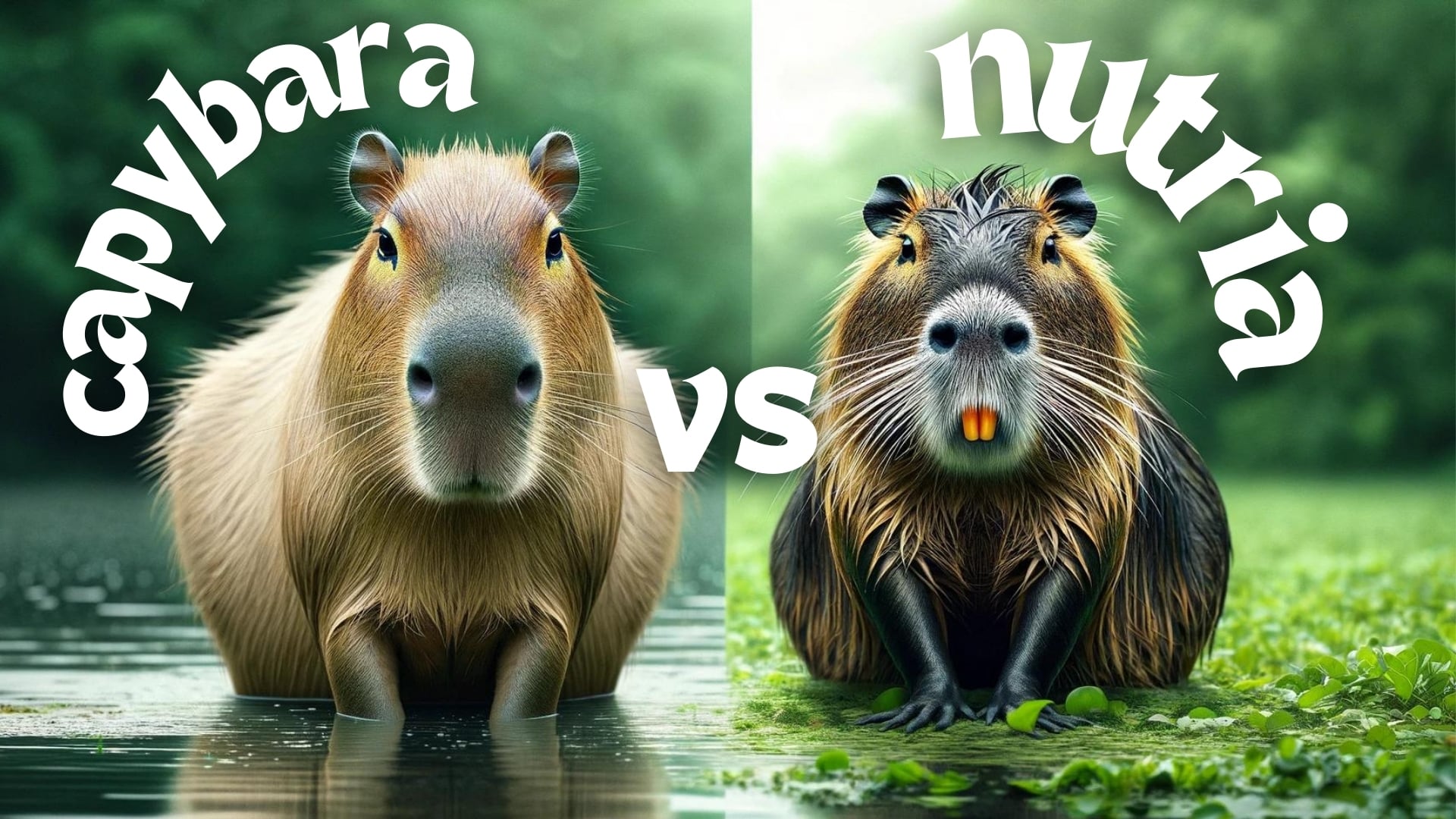
Credit: capybaramag.com
Why The Confusion?
People mix them up because both are large, brown, and semi-aquatic rodents from South America. But their size, shape, and habits are quite different. Sometimes, even news articles use the wrong name or photo, adding to the confusion.
Summary Comparison
For a quick reference, here’s a summary:
| Aspect | Capybara | Nutria |
|---|---|---|
| Scientific Name | Hydrochoerus hydrochaeris | Myocastor coypus |
| Native Range | South America | South America (introduced worldwide) |
| Weight | Up to 66 kg | Up to 9 kg |
| Tail | None/very short | Long, round |
| Behavior | Social, peaceful | More solitary, invasive |

Credit: www.youtube.com
Final Thoughts
Capybara and nutria are not the same animal. While they share a family tree and both enjoy water, their differences in size, behavior, and impact on their environment are easy to see with a little knowledge. Next time you spot a big, brown rodent near water, look for the tail and size—now you’ll know what you’re looking at.
If you’re curious for more, you can learn about their biology and impact on local ecosystems from the Wikipedia entry on capybaras.
Frequently Asked Questions
What Is The Biggest Difference Between Capybara And Nutria?
The biggest difference is size. Capybaras are much larger—up to 66 kg—while nutrias rarely weigh more than 9 kg. Capybaras have no visible tail, while nutrias have a long, round tail.
Are Nutria Dangerous To Humans?
Nutrias are not usually dangerous to people, but they can carry diseases and damage crops. They also cause environmental damage by digging and eating native plants.
Can Capybaras And Nutrias Live Together?
In the wild, their habitats sometimes overlap, but they have different social structures and diets. They do not usually form mixed groups.
Why Do Nutria Have Orange Teeth?
Nutrias have orange teeth because of iron in their tooth enamel. This makes their teeth strong and helps them eat tough plants and roots.
Are Capybara And Nutria Related?
Yes, both are part of the rodent family and come from South America. However, they belong to different genera and have different lifestyles and behaviors.


