

Are Capybaras Giant Rats
It’s easy to see why people ask if capybaras are just giant rats. With their round bodies, big front teeth, and whiskered faces, capybaras look similar to rodents people see in cities. But is this gentle animal really a giant rat, or is there more to the story? Let’s explore the truth behind this fascinating creature.
What Is A Capybara?
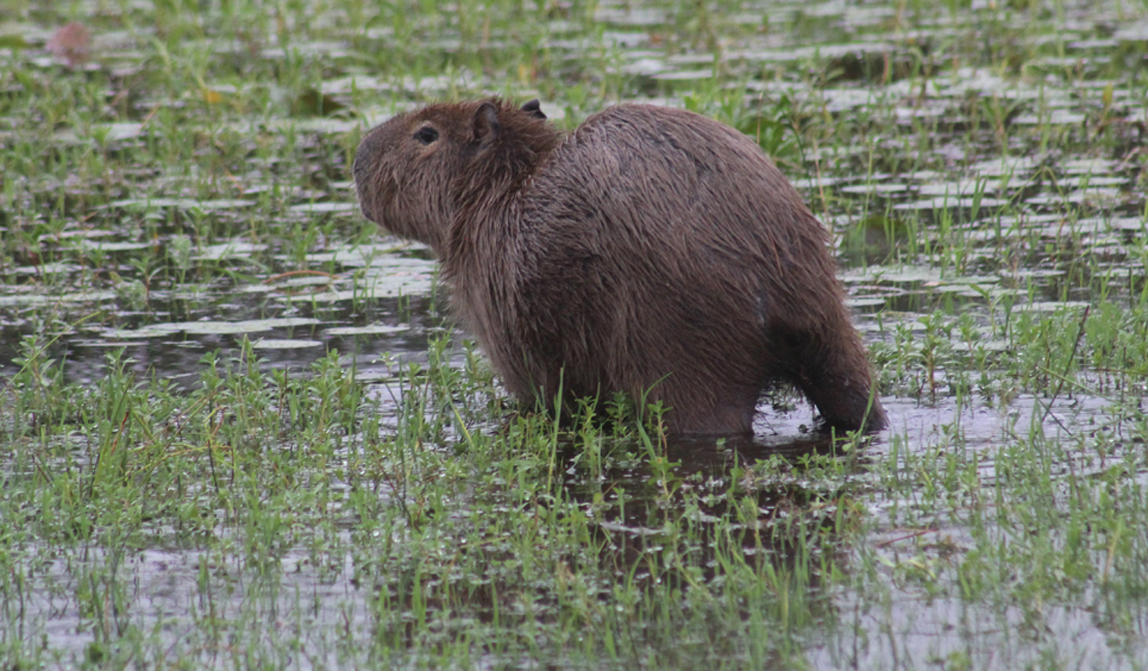
The capybara is the largest rodent in the world. It can weigh between 35 to 66 kg (77 to 146 lbs) and grow over 1 meter (3.3 feet) long. Capybaras live in groups near water in South America. They are known for their calm nature and often sit quietly in rivers or ponds.
Unlike rats, capybaras have webbed feet for swimming. Their fur is thick and brown, making it easier to hide from predators in the water. People often see them with birds sitting on their backs or other animals resting nearby. This peaceful personality is one reason why capybaras are so popular online.
Capybara Vs. Rat: Are They The Same?
Capybaras and rats both belong to the rodent family, but they are not the same animal. Here’s a quick look at how they compare:
| Feature | Capybara | Rat |
|---|---|---|
| Size | Up to 66 kg (146 lbs), over 1 m long | Up to 0.5 kg (1 lb), about 20-25 cm long |
| Habitat | Rivers, swamps, grasslands in South America | Cities, forests, fields worldwide |
| Diet | Grasses, plants, aquatic vegetation | Seeds, grains, fruits, sometimes meat |
| Social Life | Live in groups (10-20 members) | Usually live alone or in small family groups |
While capybaras and rats share the order Rodentia, they belong to different families. Capybaras are in the Caviidae family, with guinea pigs and maras, while rats are in the Muridae family.
Credit: sportsafield.com
Capybara’s Unique Features
Many people don’t realize how unique capybaras are among rodents. Here are some things that make them special:
- Webbed feet: Capybaras are excellent swimmers. Their webbed toes help them move easily in water.
- Social animals: Capybaras live in large groups, sometimes with over 100 members during the dry season.
- Communication: They make a range of sounds, such as barks, whistles, and clicks, to talk with each other.
- Teeth that never stop growing: Like many rodents, their teeth keep growing. Chewing grass helps wear them down.
Capybaras also eat their own poop (a behavior called coprophagy) to digest food better. This surprises many people, but it’s common in some rodents.
Why People Call Capybaras Giant Rats
The idea that capybaras are “giant rats” comes from their similar appearance and rodent connection. However, this is an oversimplification. Here’s why:
- Size difference: Capybaras are much bigger than rats.
- Family: Capybaras are closer to guinea pigs than to rats.
- Lifestyle: Capybaras prefer water and live in groups, while most rats are land-based and more solitary.
Still, calling them “giant rats” is not completely wrong. They are both rodents and share features like continuously growing teeth. But the differences are greater than most people realize.
The Scientific Classification
Understanding where capybaras fit in the animal kingdom can help clear up confusion. Here’s how scientists classify them:
| Level | Capybara | Rat |
|---|---|---|
| Kingdom | Animalia | Animalia |
| Phylum | Chordata | Chordata |
| Class | Mammalia | Mammalia |
| Order | Rodentia | Rodentia |
| Family | Caviidae | Muridae |
| Genus | Hydrochoerus | Rattus |
| Species | Hydrochoerus hydrochaeris | Rattus norvegicus (brown rat) |
As you can see, the relationship between capybaras and rats stops at the order Rodentia.
Capybaras And Humans
Capybaras are becoming more popular as exotic pets in some countries. Their calm nature makes them good companions, but they need a lot of space and water to swim in. In their native lands, capybaras are sometimes farmed for meat and skin, but they are not endangered.
People also use capybaras in therapy because of their gentle personality. In Japan, for example, capybaras are famous in zoos and even enjoy hot baths with people!

Credit: www.nytimes.com
Surprising Facts About Capybaras
- Capybaras can hold their breath underwater for up to five minutes.
- They have sharp eyesight and hearing, helping them spot predators.
- Capybaras’ closest relatives are actually guinea pigs, not rats.
- In the wild, they are prey for jaguars, anacondas, and caimans.
- Capybaras can eat up to 8 pounds of grass in a single day.
These facts show just how different capybaras are from the rats most people know.
Common Misunderstandings
A beginner often thinks capybaras are like rats because both are rodents. However, this is misleading. Capybaras are highly social and need water, while rats can live almost anywhere and are much more flexible in their diet and behavior.
Another thing people miss: capybaras’ size and need for water make them hard to care for as pets. Many people are surprised by how much work it takes to keep them happy and healthy.

Credit: www.nytimes.com
Frequently Asked Questions
Are Capybaras Related To Guinea Pigs?
Yes, capybaras and guinea pigs are both in the Caviidae family. They share similar teeth and digestive systems, but capybaras are much bigger.
Can Capybaras Be Kept As Pets?
Capybaras can be pets in some countries, but they need a lot of space, water, and social interaction. They can become lonely or stressed if kept alone.
Do Capybaras Spread Diseases Like Rats?
Capybaras are not known for spreading diseases to humans the way some rats do. Still, all animals can carry germs, so good hygiene is important.
Why Do Capybaras Like Water So Much?
Capybaras are semi-aquatic. Water helps them stay cool, avoid predators, and find food. Their bodies are made for swimming.
What Do Capybaras Eat?
Capybaras eat mostly grass and plants. In captivity, they also enjoy vegetables and fruit, but too much fruit can make them sick.
Capybaras are not just giant rats. They are unique, social, and gentle animals with special needs and habits. Understanding what makes them different helps us appreciate one of nature’s most interesting rodents. For more detailed scientific information, you can visit the Wikipedia page on capybaras.


