

People love new experiences, especially with animals. In recent years, capybara cafes have become a trend in cities like Tokyo and Seoul. Visitors can enjoy coffee and snacks while watching or petting these gentle creatures. But as these cafes grow in popularity, an important question arises: are capybara cafes ethical?
To find the answer, we must look at both sides. We need to understand how capybaras live in the wild, what happens when they move to cafes, and if their welfare is protected. For animal lovers and curious travelers, this topic matters.
Let’s explore the facts, concerns, and what you should know before visiting or supporting a capybara cafe.
Understanding Capybaras
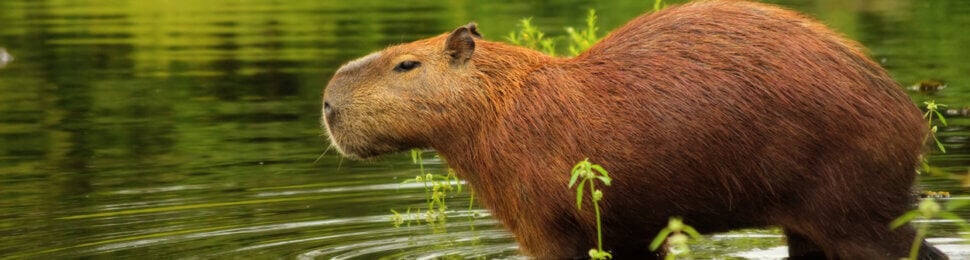
Capybaras are the world’s largest rodents. They come from South America, where they live near water in groups of 10 to 20. These social animals love swimming and need lots of space. In the wild, their day is full of activities: eating grass, swimming, and interacting with their group.
Capybaras can weigh up to 66 kg (145 lbs) and grow to 1. 3 meters (4 feet) long. Their needs are very different from cats or rabbits, which are common in other animal cafes. This difference is important when considering their welfare in a cafe setting.
How Capybara Cafes Work
In a typical capybara cafe, customers pay a fee to spend time with the animals. Some cafes let you feed or pet the capybaras, while others have strict rules to protect them. The cafes may have indoor or outdoor spaces, and some offer small pools for the animals.
Here is a comparison of common features in capybara cafes:
| Feature | Capybara Cafes | Cat Cafes |
|---|---|---|
| Space Needed | Large areas, water pools | Small rooms, simple layout |
| Animal Social Needs | Group living, constant interaction | Solo or small groups |
| Visitor Rules | Often strict, sometimes loose | Usually basic rules |
The business model attracts both animal lovers and people looking for unique experiences. But there is a risk: if cafes focus on profit over animal care, capybaras may suffer.
Credit: www.peta.org
Welfare Concerns In Capybara Cafes
Space And Environment
Capybaras need a lot of space and access to water. In the wild, they swim often to stay cool and healthy. Small or indoor-only cafes may not provide enough room or water. Without this, capybaras can become stressed or sick.
Social Needs
These animals are not meant to live alone. If a cafe has only one capybara, the animal can become lonely and depressed. Proper cafes should keep at least two or three capybaras together.
Cleanliness And Health
Capybaras are sensitive to dirty water and poor hygiene. Cafes must clean pools and living areas daily. If not, diseases can spread quickly among animals and even to visitors.
Handling By Visitors
Frequent petting and feeding by strangers can be stressful. Some capybaras may tolerate people, while others become nervous. Ethical cafes limit handling and give animals places to rest away from crowds.
Here’s a summary of key welfare needs for capybaras:
| Welfare Need | Why It Matters | Consequences if Ignored |
|---|---|---|
| Space | Prevents stress, supports exercise | Aggression, health problems |
| Water Access | Needed for swimming, hygiene | Skin disease, overheating |
| Social Groups | Reduces loneliness | Depression, abnormal behavior |
| Rest Areas | Animals need breaks from people | Chronic stress |
Legal And Ethical Issues
Laws about exotic animal cafes differ by country. In Japan, there are some rules, but not all countries check capybara welfare closely. Some places require regular vet checks and strict limits on visitor numbers. Others do not.
Ethical concerns include:
- Removing animals from the wild for profit
- Breeding capybaras only for cafes
- Ignoring natural behaviors for entertainment
Many animal welfare groups argue that wild animals should not be used for business. They believe capybaras belong in their natural home or in large, well-managed sanctuaries, not crowded cafes.

Credit: curiositysavestravel.com
Positive Examples And Improvements
Not all capybara cafes are the same. Some do a better job than others. Ethical cafes:
- Give capybaras enough space and water
- Limit the number of visitors
- Have trained staff to watch animal health
- Educate customers about capybara needs
Some cafes also support wildlife conservation and donate profits to animal charities. These cafes show it is possible to balance business and animal welfare, but they are still rare.
What Should Visitors Look For?
If you want to visit a capybara cafe, look for these signs of a responsible business:
- Capybaras live in groups, not alone.
- There is a clean pool or water area for swimming.
- Visitors must wash hands and follow rules.
- Animals can move away from people.
- Staff answer questions about care and welfare.
If a cafe does not meet these standards, it is better to avoid it. Supporting poor practices only encourages more animal suffering.

Credit: curiositysavestravel.com
What Do Experts Say?
Animal welfare experts and veterinarians are often critical of capybara cafes. According to the World Animal Protection group, wild animals are not suitable for petting cafes. They point out that even with good care, stress and health problems are common. You can read more about their research at World Animal Protection.
Still, some experts believe strict rules and regular checks can make a difference. They encourage cafes to act like small sanctuaries, focusing on education and welfare, not just profit.
Final Thoughts
Are capybara cafes ethical? There is no simple answer. Some cafes try hard to meet animal needs and teach visitors. Others focus on money and ignore welfare. Most experts agree that capybaras do best in the wild or large sanctuaries, not in busy cafes.
If you care about animals, always check how a cafe treats its capybaras. Support only those that put animal welfare first. Sometimes, the best way to enjoy capybaras is by watching documentaries or visiting wildlife reserves, where animals can live naturally.
Frequently Asked Questions
What Do Capybaras Need To Live Happily?
Capybaras need large spaces, clean water for swimming, and a group of other capybaras. They also need a calm environment and a diet of fresh grass.
Are Capybara Cafes Legal Everywhere?
No, the rules change by country and city. Some places have strict animal welfare laws, while others have few or no rules for exotic animals in cafes.
Can Capybaras Get Sick From Being In Cafes?
Yes. Crowded conditions, dirty water, and stress can cause disease and behavior problems. Good cafes should have regular vet checks and clean facilities.
Do Capybaras Enjoy Being Petted By Strangers?
Most capybaras do not naturally seek human touch. Too much handling can cause stress. Some may tolerate petting, but others may become anxious or withdrawn.
How Can I Support Capybara Welfare?
You can help by choosing ethical cafes or supporting wildlife charities. Learn about capybaras and share information with friends. Avoid businesses that put profit over animal care.


