

Capybaras are the largest rodents in the world. They live in South America, mostly near rivers and lakes. With their calm nature and social habits, capybaras have become popular online. But in reality, their survival is under threat. Many people wonder, why are capybaras endangered?
The answer is complex, involving habitat loss, hunting, climate change, and other human activities. Understanding these risks is important if we want to protect capybaras for the future.
Capybara Population And Status
Capybaras are not currently listed as globally endangered. The IUCN Red List marks them as “Least Concern.” However, in some regions, their numbers are dropping quickly. In places like Venezuela and northern Brazil, local populations are at risk. The main reasons are environmental changes and human actions. Capybaras are sensitive to their surroundings, so even small changes can affect their survival.
Capybara Numbers In South America
| Country | Estimated Population | Status |
|---|---|---|
| Brazil | Several million | Stable in most areas |
| Venezuela | Unknown | Declining in certain regions |
| Argentina | Hundreds of thousands | Stable |
| Colombia | Unknown | Threatened in some areas |
While capybaras are common in some countries, their situation is very different in others. Local threats can quickly change their status.
Main Threats To Capybaras
Capybaras face several dangers that could make them endangered. Here are the most serious threats:
- Habitat Destruction: Capybaras need water and dense plants for shelter. When forests are cleared for farming or cities, their homes disappear. Wetlands are especially important, but many are drained or polluted.
- Hunting and Poaching: In some places, capybaras are hunted for their meat, skin, and even fat. Hunting is legal in certain regions, but illegal poaching is also a problem.
- Climate Change: Rising temperatures and changing rainfall patterns affect rivers and lakes. This makes it harder for capybaras to find food and water.
- Human Conflict: Capybaras sometimes eat crops, so farmers see them as pests. In response, capybaras are chased away or killed.
- Disease: Capybaras can carry diseases like leptospirosis. When their populations are crowded or stressed, disease spreads faster.
Comparing Threats To Capybaras
| Threat | Impact Level | Regions Most Affected |
|---|---|---|
| Habitat Loss | High | Brazil, Venezuela |
| Hunting | Medium to High | Venezuela, Colombia |
| Climate Change | Medium | All regions |
| Human Conflict | Medium | Agricultural areas |
| Disease | Low to Medium | Urban and crowded areas |
Habitat destruction and hunting are the most dangerous for capybaras. Climate change and human conflict are also serious, especially as South America grows and changes.

Credit: www.pbs.org
Why Habitat Loss Is So Dangerous
Capybaras are semi-aquatic animals. They cannot survive far from water. When wetlands are destroyed, capybaras lose their main source of food and safety. Agriculture, mining, and urban expansion remove trees and plants, making life harder for capybaras. Even small changes, like building a road, can split their habitat and make it unsafe.
Wetlands are disappearing quickly in South America. According to research, over 50% of wetlands in some regions have been lost since 1900. This means fewer places for capybaras to live and breed. Without water, capybaras cannot escape predators or cool down in hot weather.
Hunting And Poaching: A Growing Threat
In some cultures, capybara meat is a delicacy. Their skins are used for leather products. Legal hunting is sometimes allowed, especially during the dry season. But illegal hunting is a bigger issue. Hunters often ignore quotas and kill too many animals.
Capybara fat is used in traditional medicine and cosmetics. This creates a market for poachers. In Venezuela, hunting has reduced capybara numbers in some areas by up to 30%. Without proper controls, hunting could wipe out local populations.
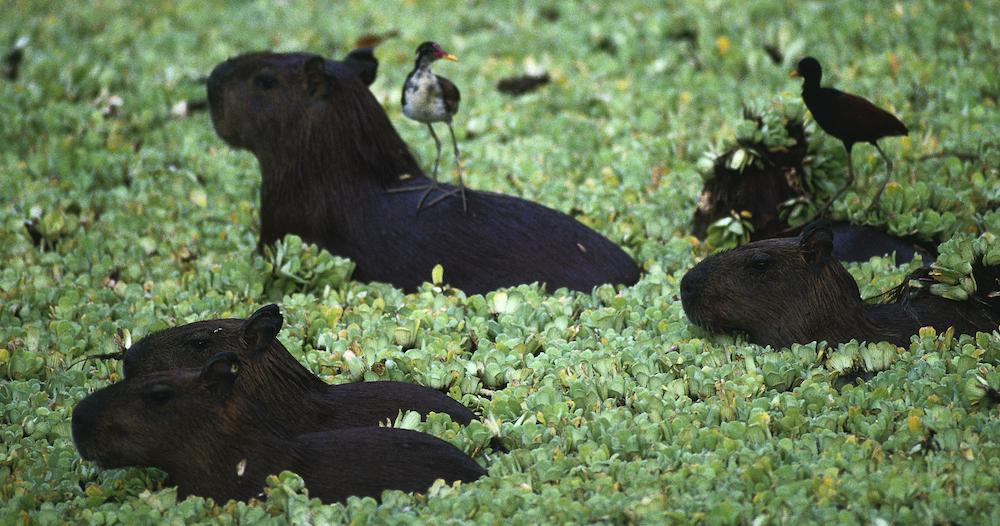
Credit: www.greenmatters.com
The Impact Of Climate Change
Climate change is causing unpredictable weather in South America. Rivers and lakes dry up, leaving capybaras without water. Floods can wash away young animals or destroy nests. Hotter weather increases the risk of disease and stress.
Capybaras rely on specific plants for food. If those plants die because of drought or floods, capybaras must move or starve. Climate change also affects breeding patterns. In some years, fewer babies survive, leading to smaller populations.
Human Conflict And Disease
Capybaras sometimes eat crops like rice, corn, and sugarcane. Farmers see them as pests and try to remove them. This can lead to killing or relocating capybaras. In urban areas, capybaras are forced to live close to humans, increasing stress and disease risk.
Leptospirosis is a disease carried by capybaras. When populations are crowded, outbreaks are more common. Sick capybaras can die quickly, and diseases can spread to other animals and even people.
Conservation Efforts And What Can Be Done
Protecting capybaras requires action at many levels. Governments, local communities, and wildlife groups are working to help.
- Habitat protection: Creating and maintaining wetlands and forests is key. Protected areas give capybaras a safe home.
- Regulated hunting: Some countries limit hunting seasons and set quotas. This helps keep populations stable.
- Education: Teaching farmers and the public about capybaras reduces conflict. Eco-tourism can provide income without harming animals.
- Research: Scientists are studying capybara health and behavior to find new ways to protect them.
Conservation Strategies Comparison
| Strategy | Effectiveness | Main Benefits |
|---|---|---|
| Protected Areas | High | Safe habitats, stable populations |
| Hunting Regulation | Medium | Controlled population, reduced poaching |
| Education | Medium | Less conflict, more support |
| Research | Low to Medium | Better data, new solutions |
Protected areas are the most effective way to help capybaras. But hunting regulation and education are also important. Local support makes conservation stronger.
Non-obvious Insights About Capybara Endangerment
Many beginners think capybaras are safe because they are popular online or seen in zoos. But wild capybaras face real threats that are not obvious to outsiders. Here are two insights:
- Capybaras play a key role in their ecosystem. They are food for predators like jaguars and anacondas. Losing capybaras can hurt other species.
- The health of capybara populations often shows the health of local wetlands. When capybaras disappear, it means the ecosystem is suffering.
For more details on capybara conservation, visit Wikipedia.

Credit: worldrainforests.com
Frequently Asked Questions
Are Capybaras Endangered Everywhere?
No, capybaras are not endangered everywhere. Their status depends on location. Some populations are stable, while others are declining.
Can Capybaras Survive In Cities?
Capybaras can adapt to urban environments if there is water and food. But city life increases risks from traffic, disease, and conflict with people.
What Is The Biggest Threat To Capybaras?
Habitat destruction is the biggest threat. Without wetlands and forests, capybaras cannot survive.
Are Capybaras Hunted For Their Meat?
Yes, in some regions capybaras are hunted for meat. Hunting is sometimes legal, but illegal poaching is a problem.
How Can People Help Protect Capybaras?
People can support conservation groups, respect protected areas, and learn more about capybaras. Responsible tourism and education also help.
Capybaras are gentle creatures, but their survival is not guaranteed. If we want to see them thrive, we must understand their challenges and act to protect their habitats. Each effort counts toward keeping capybaras safe for generations to come.


