

Are Capybara Nice
Most people have seen pictures of capybaras sitting calmly with ducks, monkeys, or even kittens. Their gentle eyes and relaxed posture make many wonder: Are capybara nice? The answer is more interesting than just “yes” or “no.” These giant rodents, native to South America, have become social media stars and even pets in some countries. But what is their real personality like? This article explores how capybaras behave, their relationships with other animals and humans, and what makes them unique.
What Is A Capybara?
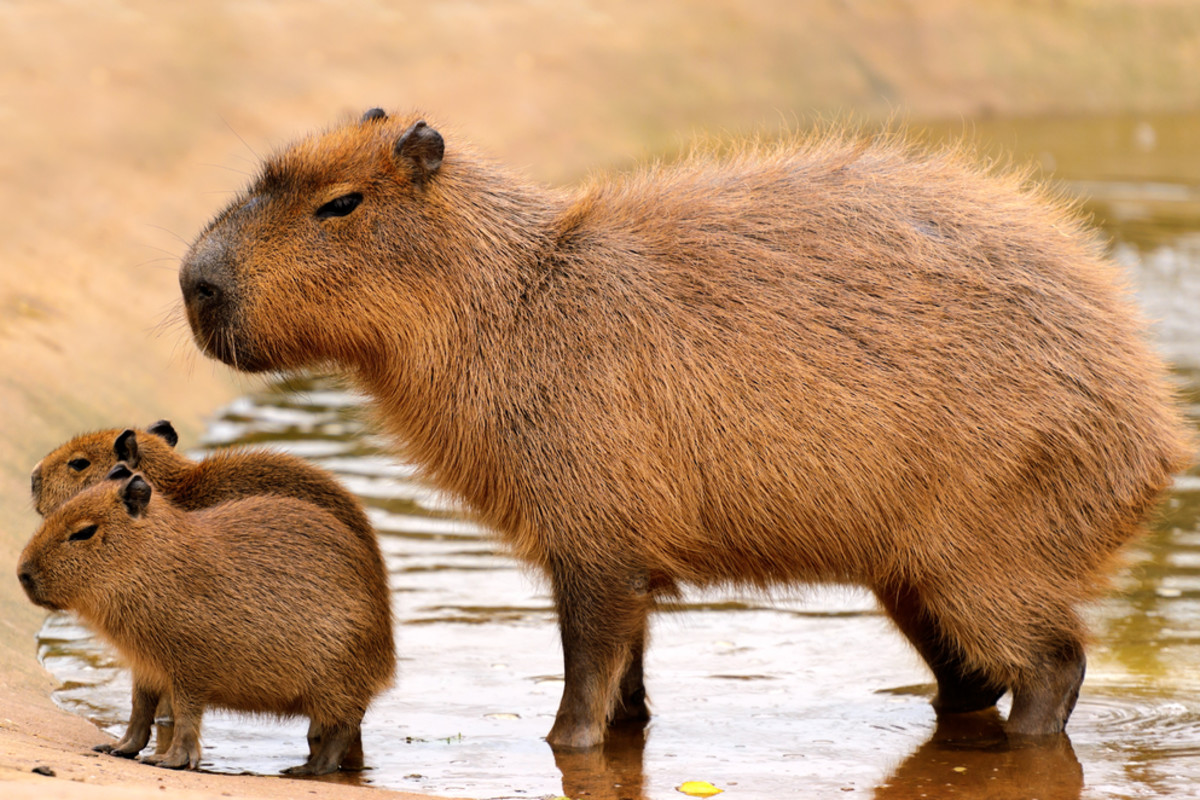
A capybara is the world’s largest rodent. Adults can weigh between 35–66 kg (77–146 lbs) and grow up to 1.3 meters (4.3 feet) long. Their bodies are barrel-shaped, with short legs, small ears, and webbed feet. Capybaras live near water—like rivers, lakes, and swamps—across much of South America. They eat mainly grass and are semi-aquatic, spending a lot of time swimming.
Natural Capybara Behavior
Capybaras are highly social. In the wild, they live in groups that can have 10 to 40 members. These groups offer safety and help them find food. Their social structure is loose, with a dominant male leading. Capybaras often groom each other, communicate with soft barks or whistles, and even nap together.
Capybaras are gentle by nature. They rarely show aggression unless threatened. Instead of fighting, they prefer to escape into the water. They are also very calm, which makes them seem friendly and approachable.
Capybara Interactions With Other Animals
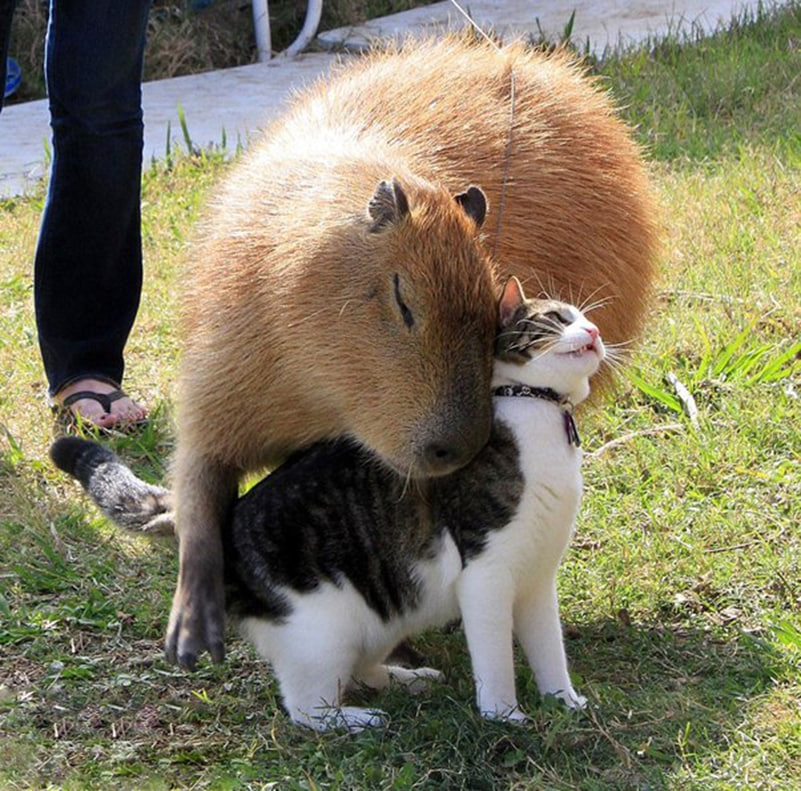
One reason capybaras are famous online is their habit of making friends with many other animals. In zoos and sanctuaries, you’ll often see capybaras relaxing with birds, monkeys, dogs, and even tortoises. This peaceful attitude is not just a myth.
Here’s how capybaras compare to some common animals in group situations:
| Animal | Social Nature | Tolerance for Other Species |
|---|---|---|
| Capybara | Very High | Very High |
| Domestic Dog | High | Medium |
| Rabbit | Medium | Low |
| Guinea Pig | Medium | Medium |
Capybaras’ high tolerance for other species is one reason zoos use them as “ambassador” animals. They often help calm nervous animals or serve as companions for single animals of other species.
Are Capybara Nice To Humans?
For most people, the big question is: are capybara friendly to humans? Generally, yes. Capybaras are gentle and patient, especially if they are used to people from a young age. They rarely bite or scratch and are not territorial.
However, some important points should be kept in mind:
- Capybaras are not like dogs or cats. They don’t always seek out human affection, and some may be shy.
- Tame capybaras (raised around people) are much more likely to be friendly than wild ones.
- Even friendly capybaras need time to trust new people. If you rush, they can become nervous.
A 2020 study found that capybaras in zoos showed “high tolerance” for gentle handling by keepers, and only 1% showed signs of stress when approached calmly.
Common Misconceptions About Capybara Personality
It’s easy to believe all capybaras are always friendly, but there are some misconceptions:
- All capybaras are cuddly. Some individuals do not like to be held or petted.
- They never bite. Capybaras have strong teeth and can bite if scared or threatened.
- Any capybara can be a pet. Wild-born capybaras usually do not trust humans.
Understanding their body language helps avoid mistakes. For example, if a capybara moves away or makes a sharp bark, it probably wants space.
Capybaras As Pets
Some people keep capybaras as pets, especially in the United States and Japan. Before considering this, it’s important to know:
| Capybara Needs | Why It Matters |
|---|---|
| Large space | They need room to move and graze |
| Swimming pool | Swimming is essential for their health |
| Companionship | They get lonely if kept alone |
| Special diet | Grass and hay are not always easy to provide |
Without these, even a tame capybara can become stressed or sick. One non-obvious fact is that capybaras are herd animals. Keeping only one can cause loneliness and depression, which may lead to biting or hiding.
Credit: www.discovermagazine.com
How To Build Trust With A Capybara
If you want to have a good relationship with a capybara, patience is key. Here’s what works:
- Move slowly and speak softly. Sudden actions can frighten them.
- Sit at their level. Being lower makes you look less threatening.
- Offer food by hand. Start with treats like apple or carrot pieces.
- Let them approach you first. Don’t force touch or pick them up.
- Spend time near them. Quiet presence helps them relax.
Many beginners forget that trust takes weeks or months to build. Trying to speed things up often leads to stress for the animal.
Surprising Insights About Capybara Behavior
Most people don’t realize:
- Capybaras use over 10 different sounds to communicate. Each sound means something different, from a whistle for “hello” to a bark for warning.
- They form “friendships” with other animals, but also remember bad experiences. A capybara that was once scared by a dog may avoid all dogs in the future.
These insights show that capybaras have complex emotions and social needs.
Credit: www.youngpioneertours.com
Famous Capybara Stories
In Japan, capybaras became famous in hot spring parks where they soak with people. These capybaras are so relaxed, visitors can often sit beside them and even pet them gently. In some zoos, capybaras have acted as “babysitters” for orphaned animals, showing patience and calm.
Should You Approach A Capybara In The Wild?
Seeing a capybara in the wild is exciting, but it’s better to watch from a distance. Wild capybaras are much more cautious. If you get too close, they will escape into the water. Feeding wild capybaras is not recommended. It can make them dependent on humans or cause conflict with other wildlife.
Final Thoughts
So, are capybara nice? The answer is mostly yes. They are gentle, social, and tolerant animals—often more so than other rodents or even some pets. But like all animals, their friendliness depends on their experience, environment, and how they are treated. If you respect their needs and boundaries, capybaras can be wonderful companions or fascinating animals to observe.
For more information on capybara behavior, you can visit the Wikipedia Capybara Page.
Frequently Asked Questions
Are Capybaras Dangerous To Humans?
Capybaras are rarely dangerous. They may bite if threatened or scared, but this is uncommon. Most capybaras are gentle and will try to escape rather than fight.
Can Capybaras Live Alone?
Capybaras should not live alone. They are herd animals and need at least one companion to stay healthy and happy.
Do Capybaras Get Along With Dogs Or Cats?
Many capybaras can get along with calm dogs or cats if introduced slowly. However, always supervise their first meetings and never leave them alone until you are sure they are safe together.
Are Capybaras Good Pets For Children?
Capybaras are not ideal pets for young children. They are large, need special care, and can become stressed by rough handling. Older children who are gentle and patient may do better.
How Long Do Capybaras Live?
In captivity, capybaras usually live 8–12 years. In the wild, their lifespan is often shorter due to predators and disease.

Credit: www.reddit.com


