

Capybaras have captured the hearts of many people worldwide. Their calm nature, social habits, and unique appearance make them stand out. But a common question arises: Are capybaras in America? The answer is more interesting than you might expect. Let’s explore where capybaras live, how they arrived in different places, and why they are becoming more popular in the Americas.
Understanding Capybaras
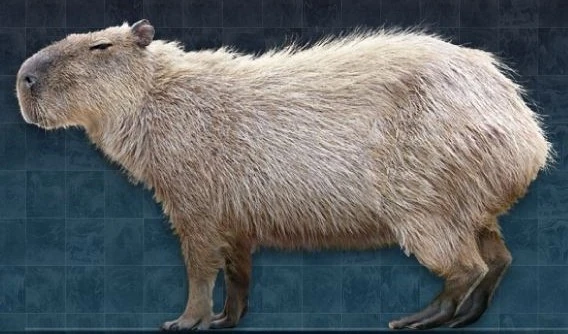
Capybaras are the largest rodents in the world. An adult can weigh between 77 and 146 pounds (35 to 66 kg). They have webbed feet, short fur, and a friendly look. Native to South America, these semi-aquatic animals spend much of their time near rivers, lakes, and wetlands.
Capybaras are social and live in groups. Their gentle behavior has made them a favorite among animal lovers and even exotic pet owners. However, their place in the Americas is broader than many realize.
Where Capybaras Are Native
Capybaras are native to South America. Their natural range includes:
- Brazil
- Venezuela
- Colombia
- Argentina
- Paraguay
- Uruguay
- Peru
- Ecuador
- Bolivia
They thrive in regions with plenty of water. Capybaras are often found in the Amazon Basin and the vast wetlands of the Pantanal.

Credit: www.usatoday.com
Capybaras In North America
If you are asking, “Are there capybaras in North America? ” the answer is yes, but with important details.
Wild Populations In The United States
Capybaras are not native to the United States or other parts of North America. However, there have been reports of small wild populations, mostly in states like Florida.
How did they get there? Most escaped from private collections or exotic pet owners. Florida’s warm, wet climate is similar to their native habitat, so some capybaras have survived and even reproduced in the wild. These populations are still very small and not widespread.
Capybaras In Zoos And Sanctuaries
Across the United States and Canada, you can find capybaras in:
- Zoos (e.g., San Diego Zoo, Toronto Zoo)
- Wildlife parks
- Animal sanctuaries
These animals are kept for education and conservation. Some zoos allow visitors to interact with capybaras in controlled settings. This helps people learn more about them without harming the wild populations.
Capybaras As Pets
Capybaras are legal to own as pets in some U.S. states, but not all. States like Texas and Pennsylvania permit ownership with proper permits. However, keeping a capybara as a pet is challenging. They need:
- A large outdoor space with a pool
- Daily social interaction
- Special diets
Many owners underestimate the work involved. Capybaras are social animals, so keeping just one can lead to stress and health issues.
Capybaras In Central America And The Caribbean
While capybaras are not native to Central America, there have been rare sightings or introductions. In some Caribbean islands, zoos and private collections keep capybaras. But there are no stable wild populations in these areas.
Invasive Concerns And Local Ecosystems
When non-native animals like capybaras escape, they can become invasive species. This means they might harm local plants, animals, or even humans. So far, capybaras in North America have not become a major problem. But experts watch these populations to avoid future issues.
For example, Florida already faces problems with invasive animals like Burmese pythons and iguanas. Wildlife officials are careful about new exotic species, including capybaras.
Why Capybaras Are Popular
People are drawn to capybaras for several reasons:
- Calm and gentle nature: They get along with many other animals.
- Unique appearance: Their size and friendly faces make them memorable.
- Viral internet fame: Videos of capybaras relaxing with ducks or sitting in hot springs have gone viral.
However, their needs are complex. They require space, water, and companionship. This is one reason why experts recommend enjoying capybaras in zoos or sanctuaries, not as pets.

Credit: www.newsnationnow.com
Capybaras Vs. Other Large Rodents
How do capybaras compare to other large rodents found in the Americas? Here’s a quick comparison:
| Species | Native Range | Average Size |
|---|---|---|
| Capybara | South America | 100 lbs (45 kg) |
| Beaver | North America, Europe | 40-70 lbs (18-32 kg) |
| Nutria (Coypu) | South America (introduced to North America) | 12-20 lbs (5.5-9 kg) |
Capybaras are much larger than beavers or nutrias. Each rodent prefers watery habitats, but only the capybara is truly semi-aquatic and social in large groups.
Legal Status By Country
Laws about owning or importing capybaras vary. Here’s a simple overview:
| Country/Region | Pet Ownership | Wild Populations |
|---|---|---|
| USA (varies by state) | Some states allow with permits | Small, rare (mainly Florida) |
| Canada | Mostly banned, some exceptions | None |
| Brazil | Not a common pet | Widespread |
| Argentina | Not a common pet | Widespread |
Always check local laws before considering a capybara as a pet.
Non-obvious Insights For Capybara Fans
Many beginners overlook two key facts:
- Capybaras need other capybaras. If you keep one alone, it can become lonely and depressed. Experts recommend keeping at least two together.
- Capybaras can live up to 12 years. Their long lifespan means a big commitment. They are not short-term pets.
Plus, capybaras are excellent swimmers. They can stay underwater for up to five minutes to escape danger or cool off.
Conservation And Protection
Capybaras are listed as Least Concern by the IUCN Red List. This means their populations are stable in the wild. Hunting is allowed in some countries, but usually regulated. Capybaras play an important role in wetland ecosystems by grazing on plants and providing food for predators.
If you want more official information, you can visit the Wikipedia page on capybaras.
Credit: ideas.fandom.com
Frequently Asked Questions
Are Capybaras Legal To Own In The Us?
Laws vary by state. Some states allow capybaras as pets with permits, while others ban them. Always check your state and city regulations before buying one.
Can You Find Capybaras In The Wild In The Us?
Wild capybaras are rare in the US. There are small populations, especially in Florida, but they are not widespread or native.
What Do Capybaras Eat?
Capybaras eat mainly grasses, aquatic plants, and sometimes fruit. In captivity, they need a diet high in fiber to stay healthy.
Do Capybaras Get Along With Other Animals?
Yes, capybaras are friendly. They often get along with ducks, dogs, and even cats. However, every animal is different, so careful introductions are important.
How Long Do Capybaras Live?
Capybaras can live 8–12 years in captivity. In the wild, their lifespan is often shorter due to predators and disease.
Capybaras are fascinating animals with a growing presence in America. Whether in the wild, zoos, or as pets, they continue to spark curiosity and joy. If you want to see a capybara up close, visit a local zoo or sanctuary—they are sure to make you smile.


