

Every year, Catholics around the world prepare for Lent, a period that brings special dietary rules. One of the most talked-about rules is the tradition of not eating meat on Fridays. But there’s a quirky question that often pops up: *Are capybaras considered fish by the Catholic Church?* This odd-sounding question is not just a joke. It’s rooted in real history, culture, and religious decisions. Let’s dive deep into this surprising story and see how a giant rodent became a “fish” for millions of faithful people.
What Is A Capybara?
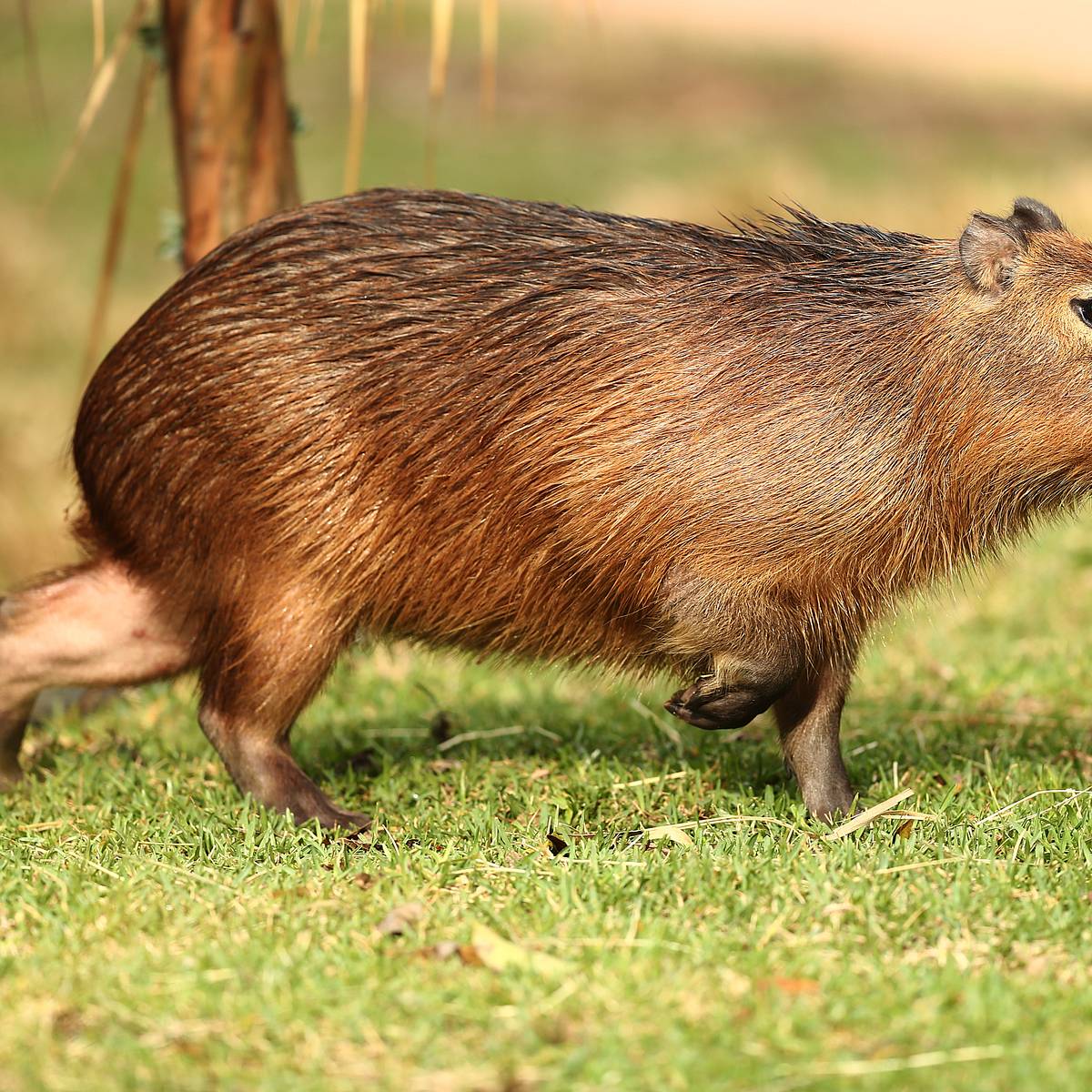
The capybara is the largest rodent in the world. Native to South America, it can weigh up to 66 kg (about 145 pounds) and reach over 1 meter (about 4 feet) in length. Capybaras love water. They spend much of their day swimming or resting near rivers and lakes.
Their physical traits include:
- Webbed feet for swimming
- Short, dense fur
- Social groups that can be as large as 100 animals
Capybaras eat mostly plants and grasses. They are gentle, peaceful, and even friendly with other animals, which makes them a favorite subject in internet memes.
Catholic Dietary Rules During Lent
For Catholics, Lent is a time of reflection and sacrifice. One important rule is to avoid eating meat on Fridays. But what counts as “meat”? Usually, this means warm-blooded animals like cows, pigs, and chickens. Fish and other cold-blooded animals are allowed.
This rule goes back centuries. It’s meant to encourage self-control and remind people of Jesus’ sacrifice. But sometimes, local traditions and food sources create challenges. In South America, where capybaras are common, this became a unique issue.

Credit: hep.physics.illinois.edu
The Capybara-fish Debate: The Historical Context
In the 16th century, Spanish and Portuguese colonists in South America faced a dilemma. During Lent, meat was forbidden, but fish was allowed. Capybaras were everywhere and provided a reliable food source. So, some clever people asked the Catholic Church: Could capybaras count as fish?
After some debate, Church leaders in Rome made a ruling. They decided that, for the purposes of Lent, capybaras could be eaten as fish. This was not because the animal was biologically a fish, but because it lived much of its life in water and was similar to fish in certain ways.
Why Did The Church Allow Capybaras As Fish?
The decision was based on:
- Practical needs: Local people needed food sources during Lent.
- Semi-aquatic lifestyle: Capybaras spend a lot of time in water, more than most mammals.
- Historical precedents: The Church had made similar decisions before, such as allowing beaver or muskrat in other regions.
Comparing Capybaras, Fish, And Traditional Meats
To understand the uniqueness of this ruling, here is a comparison of capybaras, fish, and common meat sources:
| Animal | Category | Habitat | Allowed During Lent? |
|---|---|---|---|
| Capybara | Mammal | Water/Land | Yes (in some regions) |
| Fish | Fish | Water | Yes |
| Cow | Mammal | Land | No |
| Chicken | Bird | Land | No |
As you can see, capybaras stand out because, even as mammals, they get special treatment due to their aquatic habits.
Credit: www.mentalfloss.com
Non-obvious Insights About Capybara And Catholic Tradition
Many people think this ruling was just a loophole. But there’s more to the story:
- Regional Flexibility: The Catholic Church sometimes adapts rules to local needs. This is called “pastoral sensitivity.” It’s a way to respect different cultures while keeping core values.
- Not Universal: The capybara exception is mostly for Venezuela and some parts of Brazil. It’s not a global rule. In Europe or the US, you can’t eat capybara on Lent Fridays, even if you find one.
- Other Animals Included: The Church has made similar rulings for animals like muskrats in Canada and beavers in France. These decisions were also about local needs and animal lifestyles.
How The Ruling Affects Modern Practice
Today, capybara meat is a traditional Lenten dish in some South American countries. In Venezuela, it’s called “chigüire.” During Holy Week, it’s common to see capybara cooked in stews and other dishes.
Here’s a comparison of traditional Lenten foods in different regions:
| Country | Traditional Lenten Food | Special Local Exception? |
|---|---|---|
| Venezuela | Capybara stew | Yes (capybara as fish) |
| Canada | Muskrat | Yes (muskrat as fish) |
| France | Beaver dishes | Yes (beaver as fish) |
| Italy | Fish | No |
This shows how the Church balances tradition and local realities.

Credit: www.iflscience.com
What Science Says About Capybaras
From a biological point of view, capybaras are mammals, not fish. They are warm-blooded, give birth to live young, and nurse their babies. Scientists see no reason to call them fish.
But religion sometimes works differently. The Church’s decision is based on ritual and tradition, not science. For people outside South America, this might seem odd. But for locals, it reflects a mix of faith, culture, and everyday needs.
Is The Rule Still Relevant Today?
With modern food choices, you might wonder if this rule still matters. In rural areas of South America, capybara is still important. For city dwellers, the tradition is less common, but it’s still part of cultural heritage.
The Church rarely updates these old rulings unless there’s a strong reason. So, the capybara exception remains a unique example of how religious rules can adapt to local life.
Frequently Asked Questions
Why Did The Catholic Church Classify Capybaras As Fish?
The Church allowed capybaras as fish for Lent because local people in South America needed a reliable food source. Capybaras spend much of their life in water, so Church leaders felt it was acceptable for Lenten meals.
Is This Rule Only For Capybaras?
No. Similar exceptions exist for animals like muskrats and beavers in other regions. These animals also live in water and were allowed as “fish” during Lent by Church decision.
Can Anyone Eat Capybara During Lent?
Only in places where the local Catholic Church has made this exception. Mostly, this is in Venezuela and parts of Brazil. The rule does not apply worldwide.
Are Capybaras Endangered Because Of This Tradition?
Capybara populations are managed in most countries. Hunting is regulated, and the species is not currently endangered. However, hunting should always follow local laws to protect wildlife.
Where Can I Read More About This Topic?
For more details, you can visit the Wikipedia Capybara page for both scientific facts and cultural history.
The story of the capybara and the Catholic Church reminds us that religious rules can be both strict and flexible. Sometimes, tradition meets local life in surprising ways. Next time you see a capybara meme, you’ll know there’s a real history behind the “fishy” joke.


