

Capybaras are famous for their gentle nature and unique social habits. But in recent years, these large rodents have become popular online for another reason: photos and videos of capybaras sitting calmly with oranges or other fruits balanced on their heads. This strange but charming behavior has captured the imagination of millions. But why do capybaras like oranges on their head? Is there a deeper meaning, or is it just a cute trend? Let’s dive into the world of capybaras and uncover the reasons behind this delightful phenomenon.
The Capybara: Nature’s Chillest Rodent
Capybaras are native to South America. They are the largest rodents in the world, often growing up to 60 kilograms (132 pounds). Capybaras are known for their calm personalities and strong social bonds. They are semi-aquatic animals, spending much of their time in water or relaxing in groups.
These animals are used to living with many others, both of their own kind and other species. This makes them unusually tolerant and easygoing compared to most wild animals. Their laid-back nature is one reason they allow humans to place objects, such as oranges, on their heads without much fuss.
The Tradition Of Oranges On Capybaras
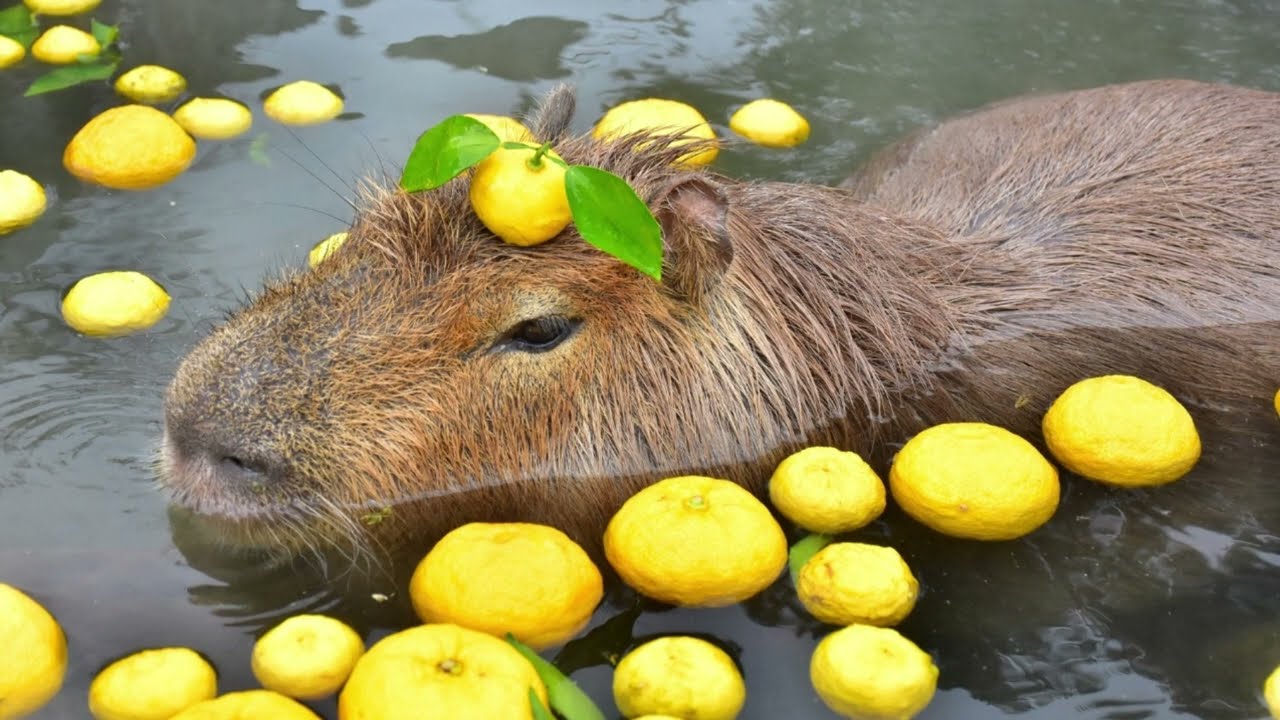
The trend of placing oranges on capybaras began in Japanese zoos, especially in winter. Zookeepers noticed that capybaras enjoyed warm baths during the cold season. To make the experience more enjoyable and to attract visitors, keepers started adding citrus fruits like yuzu (a Japanese orange) to the water. Sometimes, they would balance these fruits on the capybaras’ heads for fun.
Soon, photos of capybaras in steamy baths with oranges on their heads went viral. The image became so popular that it is now part of the winter celebration in many zoos across Japan.
Why Oranges?
Oranges and other citrus fruits are used because they float in water, are harmless, and have a pleasant smell. The bright color also looks attractive in photos. In Japanese culture, yuzu baths are believed to bring good luck and help prevent colds. This tradition was simply extended to the capybaras as a way of sharing the cultural experience.

Credit: www.shutterstock.com
What Makes Capybaras Tolerate Oranges On Their Head?
Some animals would quickly shake off or try to eat anything placed on their head. Capybaras, however, often seem completely unbothered. There are several reasons for this:
- Docile temperament: Capybaras are naturally calm and rarely aggressive. They trust their keepers and are used to gentle handling.
- Social training: Capybaras living in zoos are exposed to humans from a young age. They are trained to tolerate touch and new experiences.
- Positive association: Capybaras get treats and attention during these sessions. For them, having an orange on their head often means a reward is coming.
- Physical comfort: The round shape and light weight of an orange make it comfortable to balance, especially for an animal with a broad, flat head.
Do Capybaras Actually Like Oranges On Their Head?
It is important to remember that capybaras do not seek out oranges to balance on their heads in the wild. The idea that they “like” oranges on their head is more about their tolerance and trust than actual preference. They do not dislike the experience, but they also do not look for it themselves.
However, capybaras do enjoy oranges as a treat. The fruit is healthy for them in small amounts. Many capybaras will eat the orange after it has been balanced, making the whole activity a positive experience.
Credit: www.youtube.com
The Role Of Social Media In Capybara Trends
Social media has played a huge role in making capybaras famous for wearing oranges on their heads. Platforms like Instagram, Twitter, and TikTok are filled with photos and videos of this adorable practice. The combination of a cute animal, a funny pose, and a bright orange fruit is perfect for sharing.
This trend has not only made capybaras more popular but also helped raise awareness about their gentle nature and their need for conservation.
Virality Data
Here is a comparison of capybara-related hashtags on Instagram over three years:
| Year | #capybara Posts | #capybaraorange Posts |
|---|---|---|
| 2021 | 420,000 | 5,000 |
| 2022 | 590,000 | 11,000 |
| 2023 | 770,000 | 23,000 |
As you can see, the trend is growing quickly, especially the unique posts featuring oranges.
Do Oranges On The Head Have A Deeper Meaning?
For humans, balancing oranges on capybaras’ heads is mainly for entertainment and cute photos. But it also has a cultural meaning in Japan. Sharing yuzu baths with animals reflects a belief in harmony between people, animals, and nature. It brings a sense of joy and connection.
For the capybara, the experience is neutral or slightly positive due to the treats and attention.
Comparing Capybaras With Other Animals
Not every animal will allow something balanced on its head. Here’s a quick look at how capybaras compare to other common zoo animals:
| Animal | Tolerance for Objects on Head | Common Reaction |
|---|---|---|
| Capybara | High | Calm or indifferent |
| Rabbit | Medium | May shake off or eat |
| Dog | Varies | Often shakes off |
| Cat | Low | Usually removes quickly |
The capybara’s high tolerance is rare in the animal kingdom.
Is It Safe And Ethical To Put Oranges On Capybaras?
Placing oranges on capybaras is safe if done gently and respectfully. The fruit should be clean and free of chemicals. The animal should not be forced if it shows signs of stress. Zookeepers and trained professionals always monitor the capybaras to ensure their well-being.
It is not recommended for untrained people to try this with wild or unfamiliar capybaras. Always respect animal boundaries.
Credit: www.reddit.com
Surprising Insights Most People Miss
- Capybaras’ trust is earned, not automatic. These animals allow oranges on their heads because they feel safe with their caretakers. In a new environment or with strangers, they might behave very differently.
- The ritual helps with animal enrichment. Balancing objects and new experiences prevent boredom in captive animals. These sessions can be part of a healthy routine if done right.
Frequently Asked Questions
Why Do Capybaras Look So Relaxed With Oranges On Their Heads?
Capybaras are naturally calm and social. They are used to gentle handling and are not easily stressed. The orange is light, so it does not bother them.
Do Capybaras Eat The Oranges After The Photos Are Taken?
Yes, in most cases, capybaras enjoy eating the orange after the session. Oranges are a safe treat in small amounts.
Is Putting Oranges On Animals Safe?
When done gently and with clean fruit, it is safe for capybaras. Always watch for signs of stress and do not force the animal.
Can I Try This With My Pet Capybara?
If you have experience and your capybara is comfortable, you can try gently placing an orange. Make sure your pet is not stressed and remove the fruit if it shows discomfort.
Where Can I Learn More About Capybaras?
To learn more about capybaras, you can visit the Wikipedia Capybara page for detailed information.
Capybaras with oranges on their heads have become a symbol of peace, patience, and joy. While the animals may not truly “like” the fruit on their heads, they tolerate it with the grace that makes them internet stars. This trend has helped people all over the world learn about these gentle giants and appreciate the simple happiness they bring.


