

Capybaras are known as the world’s largest rodents, but their reputation goes beyond size. Many people believe capybaras are friendly with almost every animal. Videos and photos show them relaxing with dogs, cats, ducks, even monkeys. But is it true that capybaras are friends with all animals? Let’s explore the facts, myths, and real-life examples to understand capybara behavior and their relationships with other creatures.
What Makes Capybaras Seem So Friendly?
Capybaras have a calm nature. They rarely show aggression, and they often seem comfortable around other animals. In the wild, capybaras live in groups of 10 to 20, sometimes even more. Their social habits help them survive, as they rely on numbers for safety.
They communicate using soft sounds like whistles and barks. These signals warn the group about danger or help them find each other. Capybaras also groom each other, which builds trust and reduces stress.
People often see capybaras resting with birds sitting on their backs or sharing space with other mammals. This peaceful behavior gives them a reputation for friendliness, but there are limits.
Capybaras And Other Animals: Real Relationships
Capybaras don’t dislike other animals, but they don’t become true “friends” with every creature they meet. Their tolerance is shaped by their environment, instincts, and experiences.
Let’s look at how capybaras interact with some common animals:
| Animal | Capybara Behavior | Potential Risks |
|---|---|---|
| Dogs | Curious, sometimes playful | Stress or injury if dog is aggressive |
| Cats | Calm, ignores or allows close contact | Rarely any risk, unless cat attacks |
| Ducks/Birds | Allows birds to perch, shares habitat | No direct risk, but birds may peck |
| Monkeys | Sometimes playful, may share food | Risk of bites or conflict over food |
| Other Rodents | Usually peaceful, shares space | Competition for food in captivity |
Capybaras are not predators. They eat grass, plants, and fruits. This helps them avoid conflicts with meat-eating animals. However, their ability to get along depends on the other animal’s behavior.
Credit: www.reddit.com
Not Always Friends: Important Limits
While capybaras are tolerant, they do not bond with every animal. There are some important limits:
- Predators: Capybaras avoid animals like jaguars, crocodiles, or large snakes. In the wild, these are their natural enemies.
- Territorial Species: Animals that defend their space, such as some birds or aggressive mammals, may not accept capybaras nearby.
- Stressful Environments: If capybaras feel threatened or stressed, they may become withdrawn or defensive.
For example, capybaras can be frightened by loud noises or sudden movements. If a dog barks aggressively, the capybara will likely try to escape. Even peaceful animals can become hostile if they feel their territory is invaded.
Capybaras In Zoos And Homes
Capybaras are popular in zoos and as exotic pets. Their gentle nature makes them attractive, but keeping them with other animals requires careful planning.
| Setting | Typical Animal Companions | Challenges |
|---|---|---|
| Zoos | Ducks, turtles, small mammals | Space, disease, food competition |
| Private Homes | Dogs, cats, rabbits | Safety, proper fencing, diet |
Zoos sometimes house capybaras with other peaceful animals. Still, staff must watch for signs of stress or illness. In homes, capybaras need plenty of water, space, and a healthy diet. They may get along with family pets, but owners must supervise all interactions.
How Capybaras Communicate With Other Species
Capybaras use body language and soft sounds. They rarely bite or fight, but they show discomfort by moving away or hiding. When capybaras are relaxed, they lie down or allow animals to touch them.
Birds often perch on capybaras, picking off insects. Capybaras seem to enjoy this, as it helps them stay clean. Other rodents, like guinea pigs, may cuddle with capybaras if they feel safe.
Monkeys sometimes play with capybaras, but this can lead to misunderstandings. If the monkey grabs too hard, the capybara may run away. These interactions show capybaras are tolerant, but not always “friends” in the human sense.
Surprising Insights About Capybara Friendliness
Many beginners believe capybaras are universally friendly, but a few non-obvious facts help explain their behavior:
- Capybaras are social with their own kind, but they need time to trust other species.
- Their calmness is partly due to their large size. Few animals can threaten them, except predators.
- Capybaras often form temporary bonds with other animals, not permanent friendships.
Research shows capybaras have strong social memories. They remember individuals, but their “friendship” is based on comfort and safety—not emotional attachment.

Credit: animal-club.co.uk
Comparing Capybara Social Behavior With Other Animals
Capybaras are unique, but not alone in their social habits. Here’s a quick comparison:
| Animal | Group Size | Friendliness Toward Other Species |
|---|---|---|
| Capybara | 10-20 | High, but with limits |
| Meerkat | 20-30 | Low, mostly own kind |
| Dolphin | 5-15 | High, playful |
| Rabbit | 2-10 | Medium, can be territorial |
Capybaras rank high for tolerance, but not every animal is as peaceful. Some, like meerkats, prefer only their own species.
Tips For Safe Capybara Interactions
If you ever meet a capybara or plan to keep one, here are some practical tips:
- Always introduce new animals slowly and calmly.
- Watch for signs of stress: Hiding, refusing food, or sudden movements.
- Provide enough space and water for capybaras to feel safe.
- Never leave capybaras with aggressive animals unsupervised.
- Learn about capybara needs and habits before adopting.
By understanding their behavior, you can help capybaras enjoy peaceful relationships with other animals.
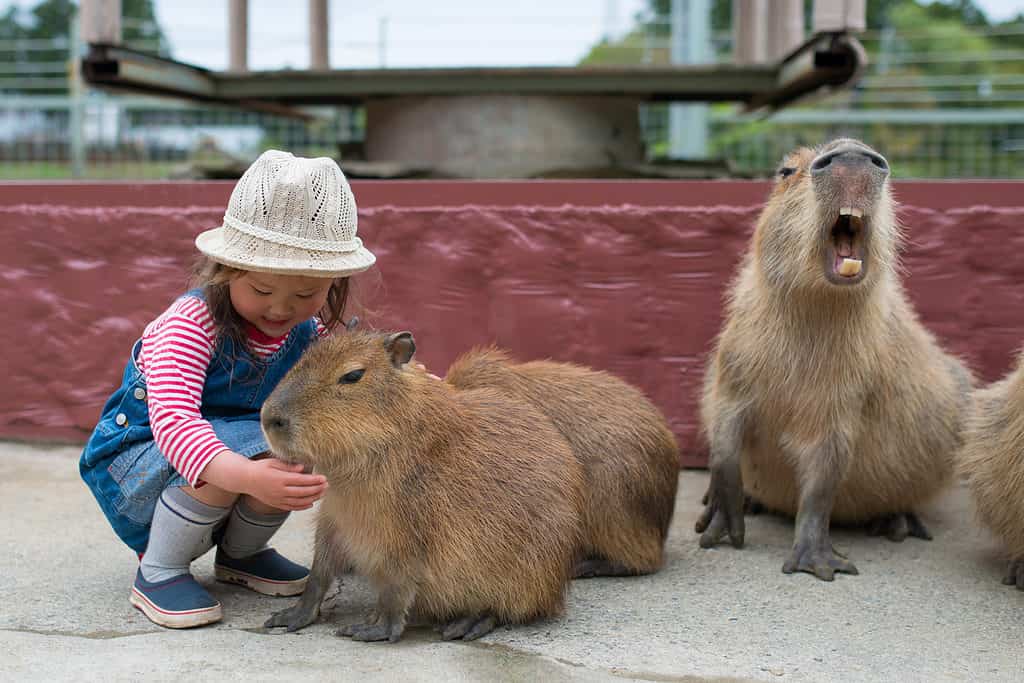
Credit: a-z-animals.com
The Real Answer: Are Capybaras Friends With All Animals?
Capybaras are tolerant and peaceful, but they are not friends with every animal. Their friendliness depends on the other animal’s behavior, their own comfort, and the environment. They avoid dangerous species and may ignore or escape from aggressive animals.
Still, capybaras are among the most sociable mammals. They often share space, food, and even play with a wide variety of animals. But true friendship, as humans understand it, is rare. Most capybara interactions are based on trust, not deep emotional bonds.
If you want to learn more about capybara behavior in the wild, you can check the Wikipedia page for more scientific details.
Frequently Asked Questions
Do Capybaras Get Along With Dogs And Cats?
Capybaras often tolerate dogs and cats, especially if the pets are calm. However, aggressive dogs may scare capybaras. Always supervise their interactions.
Can Capybaras Live With Birds Or Ducks?
Yes, capybaras can share space with birds and ducks. Birds may perch on capybaras, and ducks often swim with them. Still, watch for pecking or stress.
Are Capybaras Dangerous To Other Animals?
Capybaras are not dangerous. They are herbivores and rarely bite. Problems usually come from other animals attacking or stressing the capybara.
Why Do So Many Animals Sit On Capybaras?
Animals sit on capybaras because their calm nature allows it. Birds like to pick insects from their fur, and small animals enjoy their warmth and safety.
Is It True Capybaras Are Friends With All Animals?
Capybaras are tolerant and peaceful, but not friends with all animals. They prefer their own kind and avoid predators or aggressive species. Their “friendship” is based on trust, not emotion.
Capybaras are gentle giants, but their friendliness has limits. Understanding these limits helps us appreciate their unique place in the animal world.


