

Capybaras have captured attention all over the world with their gentle nature and unique look. But when you see a picture or video, you might wonder, are capybaras big animals? Their size often surprises people, especially those who expect them to be like rabbits or guinea pigs. In this article, you’ll discover how big capybaras really are, how they compare to other animals, and what their size means for life in the wild and as pets.
How Big Are Capybaras?
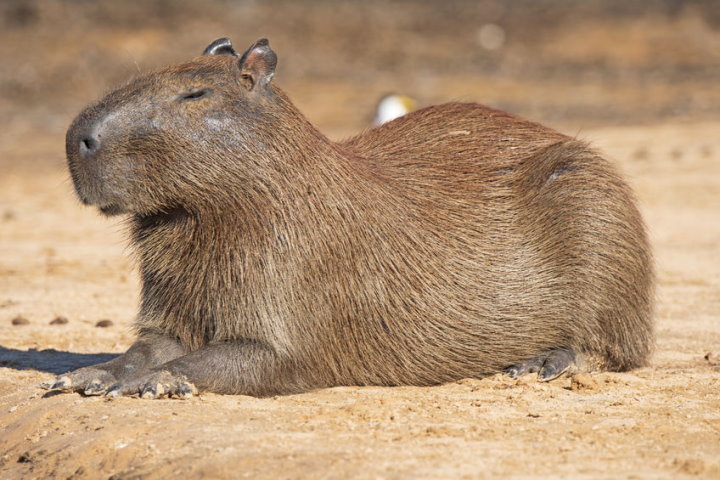
Capybaras hold the title of the largest rodent in the world. Their size is impressive, especially when you compare them to more familiar rodents.
A typical adult capybara weighs between 77 to 150 pounds (35 to 68 kilograms). Some individuals can reach even higher weights, but this is less common. Their body length is usually 3.5 to 4.4 feet (106 to 134 centimeters), and they stand about 20 to 25 inches (50 to 64 centimeters) tall at the shoulder.
To picture their size, imagine a large dog like a Labrador Retriever. Capybaras are not as tall, but their bodies are much longer and heavier than most other rodents.
Capybara Size Compared To Other Rodents
It’s easy to understand capybara size if you compare them to other well-known rodents. Here’s a simple comparison:
| Rodent | Average Weight | Average Length |
|---|---|---|
| Capybara | 77-150 lbs (35-68 kg) | 3.5-4.4 ft (106-134 cm) |
| Guinea Pig | 2-3 lbs (1-1.4 kg) | 8-10 in (20-25 cm) |
| Beaver | 24-71 lbs (11-32 kg) | 3-4 ft (90-120 cm) |
| Brown Rat | 0.5-1.1 lbs (0.2-0.5 kg) | 8-10 in (20-25 cm) |
As you can see, capybaras are much larger than common rodents. In fact, they are several times heavier than beavers, which are the next largest rodent in many parts of the world.
Credit: www.savacations.com
Capybaras Compared To Other Common Animals
It’s not just rodents—capybaras are large compared to many everyday animals. For example, their weight is similar to a medium-sized dog. Here’s another comparison:
| Animal | Average Weight |
|---|---|
| Capybara | 77-150 lbs (35-68 kg) |
| Golden Retriever | 55-75 lbs (25-34 kg) |
| Domestic Sheep | 100-220 lbs (45-100 kg) |
| Domestic Cat | 8-10 lbs (3.6-4.5 kg) |
Capybaras are not as heavy as adult sheep, but they are heavier than most dogs and much bigger than cats. This size gives them a strong presence whether in the wild or in a backyard.
Why Are Capybaras So Big?
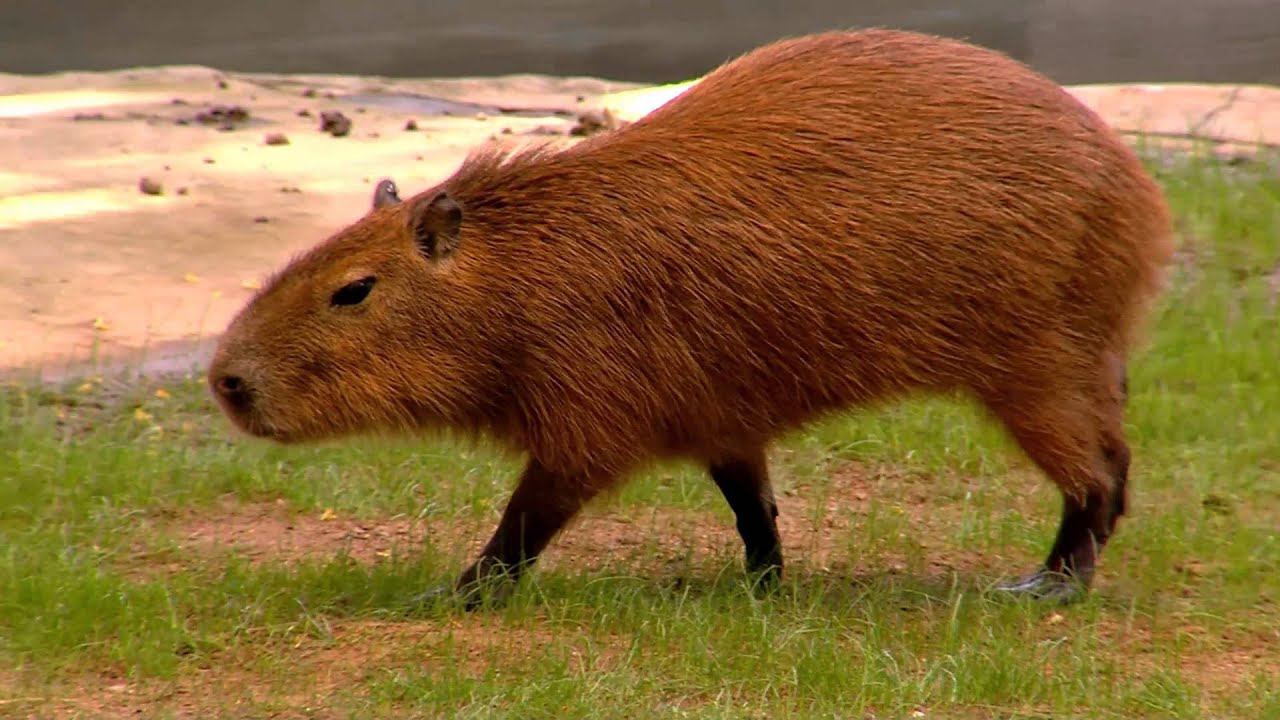
The large size of capybaras comes from their unique evolution. Living in the wetlands and forests of South America, their size helps in several ways:
- Water Adaptation: Their big bodies make it easier to stay warm in water and swim for long distances.
- Safety in Groups: Capybaras are social and live in large groups. Their size helps protect them from predators, especially when they gather together.
- Diet: They eat a lot of grass and plants. A bigger body helps them digest tough vegetation and survive times when food is not easy to find.
One thing beginners often miss is how their size helps them avoid some predators. For example, while jaguars and anacondas can hunt them, their size makes it harder for smaller predators like foxes.
Credit: www.youtube.com
Capybara Growth: From Birth To Adult
Capybaras are not born big. At birth, a baby capybara (called a pup) weighs about 2 to 3 pounds (1 to 1.5 kg). But they grow fast. By the time they are one year old, most have reached close to their adult size.
Here’s a quick look at capybara growth:
| Age | Average Weight |
|---|---|
| Newborn | 2-3 lbs (1-1.5 kg) |
| 3 Months | 15-25 lbs (7-11 kg) |
| 1 Year | 60-80 lbs (27-36 kg) |
| Adult | 77-150 lbs (35-68 kg) |
This rapid growth is another reason why capybaras need a lot of space and food, even when young.
The Impact Of Size On Capybara Life
Capybara size affects almost everything about their lives. In the wild, being large helps them survive. Their mass allows them to swim fast and escape danger in the water. On land, they move slowly but with confidence because smaller predators usually avoid them.
For people who want to keep capybaras as pets, their size brings some challenges:
- Space Needs: Capybaras need a lot of room to move and swim.
- Food: Feeding a capybara is not cheap. They eat large amounts of grass and need a special diet.
- Housing: Their size means strong fences and large water areas are necessary.
One insight that surprises many new owners: capybaras can easily push through weak fences or small gates. Their size and strength mean you must plan carefully for their safety and yours.

Credit: www.yourobserver.com
Capybara Size Records
While most capybaras fall within the normal size range, there are rare cases where they get even larger. Some reports mention capybaras over 170 pounds (77 kg), but these are unusual and may involve special conditions like abundant food or lack of predators.
Are Capybaras Big In The Animal Kingdom?
Compared to elephants or hippos, capybaras are not giants. But in the world of rodents, they stand alone at the top. Their combination of length, weight, and sturdy build makes them one of the most impressive mammals in their environment.
Capybaras are also unique because they are gentle giants. Their size might be intimidating, but their calm nature has made them popular in zoos, animal parks, and even as therapy animals.
If you want to learn more about capybaras and their role in the animal world, the Wikipedia page on Capybaras offers great detail.
Frequently Asked Questions
How Big Do Capybaras Get?
Adult capybaras usually weigh between 77 and 150 pounds (35 to 68 kg) and can reach up to 4.4 feet (134 cm) in length. Some can be even bigger, but this is rare.
Are Capybaras Bigger Than Dogs?
Most capybaras are heavier than medium-sized dogs like Golden Retrievers. However, some large dog breeds can weigh more than capybaras.
Can Capybaras Be Kept As Pets Given Their Size?
Yes, but their large size means they need a lot of space, water for swimming, and plenty of food. They are not suitable for small homes or apartments.
How Does Capybara Size Help In The Wild?
Their size helps protect them from many predators. It also makes swimming easier and helps them live in large groups safely.
What Is The Smallest Type Of Capybara?
There is only one species of capybara, but individuals can vary in size. Pygmy capybaras do not exist, despite rumors online.
Capybaras are truly remarkable for their size and gentle ways. Understanding how big they are helps you appreciate why they are such special animals—both in the wild and, for some, in the home.


