

Have you ever seen a capybara and wondered what kind of animal it really is? Maybe you’ve heard they are rodents, but that sounds surprising, right?
You’re not alone—many people find it hard to believe that these gentle giants belong to the same family as mice and squirrels. If you want to uncover the truth about capybaras and understand what makes them unique, keep reading. By the end, you’ll see these fascinating creatures in a whole new light—and maybe even want to learn more about their world.

Credit: www.vitares.org
Capybara Classification
Capybaras are unique animals that belong to a big group called rodents. Many people wonder if capybaras are true rodents. Understanding their classification helps clear this up. It also shows how they relate to other animals.
Capybaras share many features with rodents. Their body, teeth, and habits link them closely. Let’s explore the details of their classification.
Rodent Family Traits
Rodents have sharp, ever-growing front teeth. These teeth help them chew plants and wood. They usually have small bodies and large heads. Rodents are known for gnawing to keep teeth short. Capybaras have all these traits. Their teeth grow continuously. They use them to eat grasses and water plants.
Scientific Classification
Capybaras belong to the family Caviidae. This family is part of the order Rodentia. Rodentia is the largest group of mammals. Capybaras’ scientific name is Hydrochoerus hydrochaeris. They are the largest rodents in the world. They live in South America and enjoy water habitats.
Comparison With Other Rodents
Compared to mice and rats, capybaras are much bigger. Mice weigh just a few grams; capybaras can weigh over 100 pounds. Capybaras share more traits with guinea pigs. Both have similar teeth and body shapes. Capybaras are better swimmers than most rodents. Their size and habitat make them unique in the rodent family.

Credit: en.wikipedia.org
Physical Features
Capybaras have unique physical features that help identify them as rodents. Their bodies are built for survival in water and on land. Understanding these features gives us insight into their lifestyle and behavior.
Size And Appearance
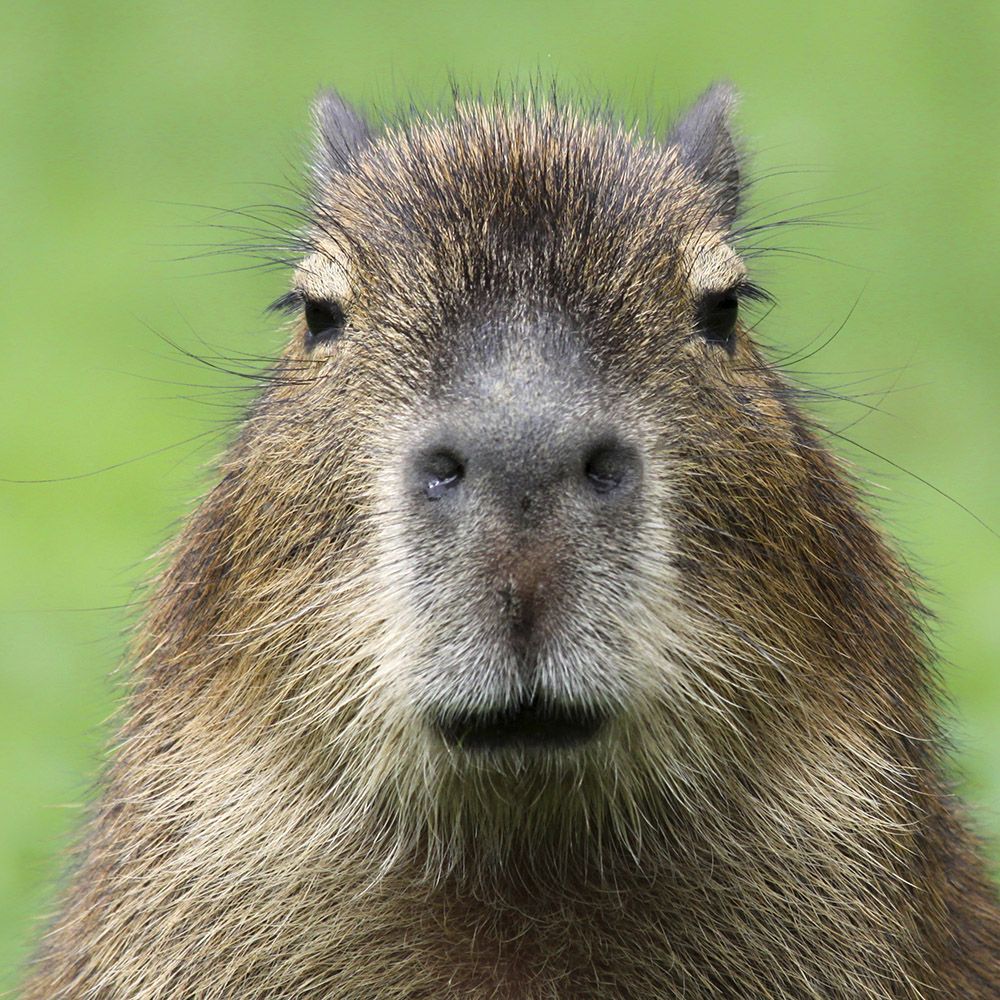
Capybaras are the largest rodents in the world. They can grow up to 4 feet long and weigh about 100 pounds. Their bodies are barrel-shaped with short legs. Their fur is coarse and brownish, blending well with their environment. They have small ears and eyes positioned high on their heads. This helps them stay alert while swimming or resting.
Adaptations For Habitat
Capybaras live near water, so their bodies suit this habitat. Their feet have partially webbed toes that aid in swimming. Their eyes and nostrils sit high on the head, allowing them to see and breathe while mostly submerged. They have thick skin to protect against insect bites. Their teeth grow continuously, perfect for chewing tough plants.
Habitat And Lifestyle
Capybaras live in places that suit their calm and social nature. Their habitat and lifestyle help them stay safe and find food. These large rodents need water and space to enjoy their daily activities. Understanding where and how they live reveals much about their behavior and needs.
Natural Environment
Capybaras live near rivers, lakes, and wetlands. They prefer warm and tropical areas in South America. Water is very important for them. They use it to cool down and hide from danger. Grasslands and forests provide food and shelter. These areas give them the perfect balance of safety and resources.
Social Behavior
Capybaras are very social animals. They live in groups of 10 to 20 members. This group size helps protect them from predators. They communicate with sounds and body movements. Grooming each other is common and helps build bonds. Their friendly nature makes them easy to spot together in the wild.
Diet And Feeding Habits
Capybaras eat mostly grass and plants. They feed early in the morning and late in the afternoon. Their large teeth help them chew tough plants. Sometimes, they eat fruit and bark. Water plants are also part of their diet. Their eating habits match their habitat near water sources.
Unique Capybara Traits
Capybaras have many traits that make them stand out in the animal world. They are the largest rodents on Earth. Their unique features help them survive and thrive in their natural habitats. Learning about these traits shows why capybaras are fascinating creatures.
From swimming skills to social communication, capybaras have special ways to live and interact. Their lifespan and reproduction habits also reveal interesting facts. These traits set them apart from other rodents.
Swimming Abilities
Capybaras are excellent swimmers. Their webbed feet help them move quickly in water. They can stay underwater for up to five minutes. This skill helps them escape predators and find food. Water is a safe place where they spend much of their time.
Communication Methods
Capybaras communicate with sounds like whistles, barks, and clicks. These noises help them warn others about danger. They also use body language such as nose touching. This shows friendship and trust within their groups. Social bonds are strong among capybaras.
Lifespan And Reproduction
Capybaras live around eight to ten years in the wild. Females give birth to litters of four to five babies. Baby capybaras can walk and swim shortly after birth. Parents and group members protect the young carefully. This increases their chances of survival.
Capybara And Humans
Capybaras share a unique relationship with humans. These large rodents have fascinated people for centuries. Their gentle nature makes them stand out. People admire their calm and friendly behavior. Capybaras often appear in stories, parks, and even homes. Understanding this bond helps us appreciate these animals more.
Domestication And Pets
Capybaras are sometimes kept as pets. They need plenty of space and water to swim. Their social nature means they like company. Owners must provide proper care and a safe environment. Not all regions allow capybaras as pets. Knowing local laws is important before getting one.
Cultural Significance
In South America, capybaras have cultural value. Some communities see them as symbols of peace. They often appear in folklore and art. Capybaras also attract tourists to natural parks. Their gentle image promotes wildlife education and respect.
Conservation Status
Capybaras face threats like habitat loss and hunting. They are listed as least concern but need protection. Conservation efforts focus on preserving wetlands and forests. Educating people helps reduce illegal hunting. Healthy capybara populations support balanced ecosystems.
Credit: www.rainforest-alliance.org
Common Misconceptions
Capybaras are often misunderstood creatures. Many people confuse them with other animals. These common misconceptions can cloud the true nature of capybaras. Clearing up these myths helps us appreciate them better.
Not Just Large Rats
Capybaras are sometimes called giant rats. This is not accurate. They belong to the rodent family but are not rats. Capybaras have unique features that set them apart. Their large size and gentle nature make them very different from rats. They live near water and have webbed feet for swimming. These traits show they are special rodents, not oversized rats.
Differences From Guinea Pigs
People often think capybaras are big guinea pigs. They share a family but differ in many ways. Capybaras are much larger, weighing up to 140 pounds. Guinea pigs are small and kept as pets. Capybaras live in the wild, mostly in South America. Their social behavior also varies. Capybaras live in groups, while guinea pigs prefer smaller groups. These differences highlight capybaras’ unique role in nature.
Myths And Facts
Several myths surround capybaras. One myth says they are aggressive. The fact is they are calm and friendly animals. Another myth claims they eat anything. Capybaras mainly eat grass and aquatic plants. Some believe they are pests. In reality, capybaras help control vegetation in their habitats. Understanding facts about capybaras removes false ideas and promotes respect.
How Capybara World Can Help You with Are Capybaras Rodents
Exploring Capybaras as Rodents: Learning Beyond the Basics
Understanding that capybaras are indeed rodents opens up some pretty cool learning opportunities. Since we’ve covered their classification and unique traits earlier, why not dive deeper into how these characteristics impact their habitat and lifestyle? Observing a capybara’s social behavior or their semi-aquatic habits can be a fun, hands-on way to connect with nature and appreciate their rodent roots.
- Compare capybara physical features with other rodents to see evolutionary adaptations in action.
- Explore how their classification influences their interaction with humans and the environment.
- Use resources from experts like Marina Velasco and Dr. Luis Herrera to get accurate, science-backed insights.
If you’re curious or have questions, reaching out to knowledgeable folks at hello@capybara-world.com can be a friendly way to learn more. After all, knowing they’re rodents is just the start of a fascinating journey into the life of the world’s chillest animal.
Frequently Asked Questions
Are Capybaras Classified As Rodents?
Yes, capybaras are the largest rodents in the world. They belong to the rodent family Hydrochoeridae and share traits like continuously growing teeth.
What Characteristics Make Capybaras Rodents?
Capybaras have strong, sharp front teeth for gnawing. They also have a single pair of incisors and a herbivorous diet typical of rodents.
How Do Capybaras Differ From Other Rodents?
Unlike many rodents, capybaras are semi-aquatic and social. They are much larger and live in groups near water bodies in South America.
Why Are Capybaras Important In Their Ecosystem?
Capybaras help control vegetation and provide food for predators. Their grazing maintains healthy wetlands and supports biodiversity in their habitats.
Conclusion
Capybaras are indeed rodents, the largest ones alive today. They share traits with other rodents like sharp teeth and strong jaws. These gentle animals live near water and enjoy social groups. Understanding their rodent nature helps appreciate their behavior and habitat needs.
Capybaras show how diverse and interesting rodents can be. They are unique creatures worth learning about and protecting.


