

Have you ever wondered if you can have a pet capybara? These gentle giants are known for their calm nature and unique charm, making many people curious about what it’s like to keep one at home.
But before you imagine a capybara lounging in your backyard or swimming in your pool, there are important things you need to know. Could a capybara really fit into your life? Keep reading to discover the truth about owning these fascinating animals and whether they are the right pet for you.

Credit: www.thedunhamfarm.com
Capybara Basics
Capybaras are unique animals that many find fascinating. They are the largest rodents on Earth. Understanding their basics helps in knowing if they fit as pets. These gentle creatures have special needs and traits.
Physical Traits
Capybaras have a heavy, barrel-shaped body. Their fur is coarse and brownish. They have webbed feet for swimming. Their eyes, ears, and nose sit high on the head. This helps them stay alert while in water.
Natural Habitat
Capybaras live near water in South America. They prefer rivers, lakes, and wetlands. These places give them food and safety. They thrive in warm, tropical climates. Water is essential for their daily life.
Behavior And Temperament
Capybaras are social and live in groups. They communicate with sounds like purrs and barks. These animals are calm and friendly. They like to stay close to water. Capybaras enjoy resting and grazing together.

Credit: www.adoptapet.com
Legal Considerations
Owning a pet capybara involves more than just care and space. Legal rules control if you can keep one at home. These laws protect the animals and people. Understanding the legal side is very important before getting a capybara.
Ownership Laws By Region
Capybara ownership laws vary widely by region. Some states or countries allow owning them as pets. Others ban them completely due to safety or ecological concerns. Always check your local government’s rules. This helps avoid fines or legal trouble.
Permits And Licenses
Some places require permits to own a capybara. These permits ensure owners meet proper care standards. The process may include inspections or paperwork. Without a permit, keeping a capybara can be illegal. Know the rules before you decide.
Local Restrictions
Local rules may limit where you can keep capybaras. Some neighborhoods or cities have extra restrictions. These may include noise limits or fencing rules. Learn about local laws to avoid conflicts. Respecting these rules keeps your pet and neighbors safe.
Housing Requirements
Housing pet capybaras needs careful thought. These large rodents require a safe and comfortable space. Their home must match their natural lifestyle. Meeting their housing needs helps keep them happy and healthy.
Space Needs
Capybaras need plenty of room to move. They grow quite large and need open space. A small cage is not enough. Give them at least 100 square feet of space. This allows them to walk and explore freely.
Indoor Vs Outdoor Setup
Outdoor setups suit capybaras best. They enjoy fresh air and natural light. The area must be secure to prevent escapes. Indoor setups need lots of space and strong barriers. Keep their area clean and dry, no matter the setup.
Water Access
Water is essential for capybaras. They spend much time swimming and soaking. Provide a shallow pool or pond in their area. Change the water regularly to keep it clean. Water access helps them stay cool and active.
Diet And Nutrition
Proper diet and nutrition are key for pet capybaras’ health. Their unique needs require careful food choices. Feeding them right helps keep them active and happy.
Capybaras are herbivores. They eat plants in the wild, so their diet in captivity should match this. Providing the right balance of nutrients supports their growth and wellbeing.
Ideal Foods
Fresh grass and hay should be the main food for pet capybaras. Timothy hay is a popular choice. They also enjoy fresh vegetables like carrots, lettuce, and zucchini. Fruits like apples and melons can be treats but given in small amounts. Avoid sugary or processed foods. Clean water must be available all day.
Supplements
Capybaras may need extra vitamins and minerals. Calcium supplements help maintain strong bones. Vitamin D is important for calcium absorption. A vet can suggest the right supplements. Avoid over-supplementing, as it can cause health issues.
Feeding Schedule
Feed capybaras twice a day. Offer hay and fresh vegetables in the morning and evening. Monitor how much they eat to avoid overeating. Keep fresh water nearby at all times. Consistency in feeding times helps them feel secure.
Health And Wellness
Keeping a pet capybara healthy takes effort and attention. These unique animals have special needs. Understanding their health and wellness is key to happy pets. This section explains common illnesses, veterinary care, and ways to prevent health problems.
Common Illnesses
Capybaras can get skin infections from wet or dirty environments. They may suffer from respiratory infections caused by cold or damp conditions. Digestive issues occur if their diet lacks fiber or is unbalanced. Parasites like ticks and fleas also affect their health. Early signs include lethargy, loss of appetite, and unusual behavior.
Veterinary Care
Regular check-ups with an exotic animal vet are important. Vets can spot problems early and give vaccines. They provide treatment for infections and parasites. Finding a vet who knows capybaras can improve care quality. Emergency care may be needed if the capybara shows severe symptoms.
Preventive Measures
Keep the living area clean and dry to prevent infections. Provide a balanced diet rich in grasses and vegetables. Fresh water must always be available. Regularly check your capybara for signs of illness or parasites. Social interaction and exercise also help maintain mental and physical health.
Social Needs
Pet capybaras have unique social needs that must be met for their well-being. These large rodents are very social animals and need interaction to stay happy and healthy. Understanding their social nature helps owners provide the right environment and care.
Companionship
Capybaras are herd animals by nature. They feel lonely without others of their kind nearby. Keeping just one capybara can lead to stress and sadness. At least two capybaras should live together to meet their need for companionship. This helps them feel safe and comfortable.
Interaction With Humans
Capybaras can bond with humans too. They enjoy gentle petting and calm voices. Spending time daily helps build trust and friendship. Still, they need patience as they adjust to human contact. Respect their space and avoid sudden moves.
Behavioral Enrichment
Capybaras need activities to keep their minds active. Toys, water pools, and safe spaces encourage natural behaviors. Providing variety prevents boredom and destructive habits. Enrichment supports their social and mental health.
Training And Handling
Training and handling pet capybaras needs patience and gentle care. These animals are social and smart but require time to adjust. Consistent training helps build trust and good behavior. Proper handling ensures safety for both you and your pet. Understanding their nature is key to a happy relationship.
Taming Tips
Start taming capybaras early. Spend time near them daily. Speak softly and move slowly to avoid fear. Offer treats like fruits to gain trust. Let them approach you first. Avoid sudden movements or loud noises. Patience is important; taming takes weeks or months.
Basic Commands
Capybaras can learn simple commands. Use clear and short words like “come” or “stop.” Repeat commands regularly with rewards. Use treats or gentle petting as motivation. Training sessions should be short and fun. Consistency helps capybaras remember commands better.
Safety Precautions
Always handle capybaras gently to avoid stress. Keep their nails trimmed to prevent scratches. Use a secure area for training and play. Watch for signs of discomfort or aggression. Never force a capybara to do something. Provide fresh water and a clean environment.
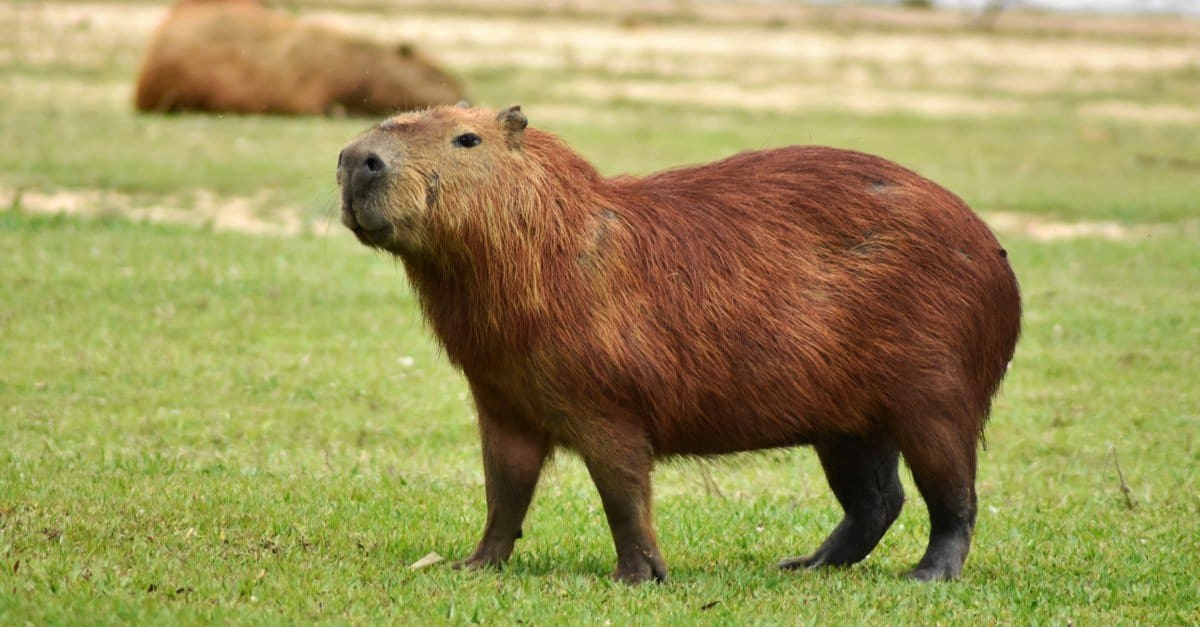
Credit: a-z-animals.com
Cost And Commitment
Keeping a pet capybara is a serious decision. These unique animals need more than love. They require money, time, and effort. Understanding the cost and commitment helps you prepare well. You can enjoy your pet capybara’s company fully by knowing what it takes.
Initial Investment
Buying a capybara can cost several hundred dollars. The price varies by location and breeder. You also need a proper enclosure. Capybaras need space to roam and water to swim. Building a safe habitat may cost a few thousand dollars. Don’t forget about vet checks and vaccinations. These are important for your pet’s health.
Ongoing Expenses
Capybaras eat lots of fresh vegetables and grass. Feeding them can be costly each month. They also need clean water daily. Regular vet visits keep diseases away. Expect to pay for flea and tick prevention. Cleaning their living area is a constant task. Budget for replacing worn-out toys and bedding.
Time Commitment
Capybaras need daily care and attention. They are social animals and want company. Spending time with your pet prevents loneliness. You must clean their cage every day. Check their health and behavior often. Training and socializing take patience and consistency. Without enough time, capybaras can become stressed or sick.
Pros And Cons
Having a pet capybara can be exciting yet tricky. Knowing the pros and cons helps you decide if this unique pet fits your lifestyle. Capybaras have special needs and habits that differ from common pets.
Benefits Of Owning A Capybara
Capybaras are gentle and social animals. They enjoy company and can bond well with humans and other pets. Their calm nature makes them good companions for quiet homes.
They are also quite intelligent. This means they can learn simple commands and routines. Capybaras have a unique charm that many pet lovers find appealing.
These animals are semi-aquatic. If you have a pond or pool, they will enjoy swimming and playing. Their love for water adds a fun element to pet care.
Challenges To Consider
Capybaras require a lot of space to roam and swim. Small apartments or homes without yards may not suit them. They also need daily access to water for swimming.
They are social animals and feel lonely without companions. Keeping just one capybara can cause stress and sadness. Having at least two is recommended for their happiness.
Capybaras need a special diet including fresh grass and vegetables. Their food can be costly and require effort to source regularly. They also produce strong odors, demanding frequent cleaning.
Local laws and regulations may restrict owning capybaras. It is important to check legal rules before getting one as a pet.
How Capybara World Can Help You with Can You Have Pet Capybaras
Learning Through Caring for Your Capybara
Deciding if you can have pet capybaras opens the door to some pretty unique learning opportunities. Beyond the cuteness, caring for these social creatures teaches you about their specialized housing needs, like providing ample water access for swimming and space to roam. Understanding their diet and nutrition also deepens your appreciation for their herbivorous habits and how diverse their food sources must be to keep them healthy.
Engaging with capybara care can be a practical lesson in responsibility and animal behavior, especially since these animals thrive on social interaction and gentle handling. As fellow capybara enthusiasts, we’ve found that sharing experiences, or even consulting experts like Dr. Luis Herrera, can turn challenges into rewarding insights.
- Explore how their social needs mirror natural behaviors in the wild.
- Learn about the commitment involved in maintaining their health and wellness.
- Discover the legal and ethical considerations that ensure their well-being.
If you ever want to bounce questions around or dive deeper into the nitty-gritty, you can always reach out to hello@capybara-world.com. Sometimes, the best way to learn is by chatting with those who’ve been there, swimming alongside the capybara journey.
Frequently Asked Questions
Can Capybaras Be Kept As Pets Legally?
Laws vary by location. Some states allow pet capybaras with permits. Check local regulations before acquiring one to ensure legality.
What Do Pet Capybaras Eat Daily?
Capybaras eat grasses, vegetables, and fruits. A balanced diet includes hay, leafy greens, and fresh water daily.
Are Capybaras Easy To Care For As Pets?
Capybaras need space, water to swim, and social interaction. They require time, effort, and a proper environment to thrive.
How Large Do Pet Capybaras Grow?
Capybaras grow up to 2 feet tall and 4 feet long. They can weigh between 77 to 146 pounds as adults.
Conclusion
Pet capybaras need lots of care and space to be happy. They are social animals and need company. Owning one is not like having a cat or dog. You must check local laws before getting a capybara. Think about their diet, habitat, and health needs.
They can live long but require commitment. A pet capybara is a big responsibility, not a simple choice. Make sure you are ready for the time and effort. This helps both you and the animal stay safe and happy.


