

Have you ever wondered if the world’s largest rodent, the capybara, calls Australia home? These gentle giants are famous on social media for their calm personalities and unique look. But can you actually find them in the wild in Australia, or even in zoos or as pets? The answer is more interesting than you might think.
In this article, we’ll explore whether capybaras live in Australia, why they are (or aren’t) present, how they compare to native Australian wildlife, and what it would mean for the environment if they were introduced. You’ll also find a clear FAQ section at the end with answers to the most common questions about capybaras in Australia.
Where Capybaras Come From
Capybaras are native to South America. They are most common in countries like Brazil, Venezuela, Colombia, and Argentina. Their favorite habitats are wetlands, rivers, and areas with lots of water and grass.
These animals are not just large guinea pigs—they can weigh up to 65 kg (143 lbs) and reach up to 130 cm (4.2 ft) in length. Capybaras are social animals, often living in groups of 10 to 20. They are excellent swimmers, thanks to their webbed feet.
Are There Wild Capybaras In Australia?
Simply put, no, there are no wild capybaras in Australia. Australia’s unique ecosystem makes it very difficult for non-native animals to survive and thrive in the wild. The country has very strict biosecurity laws to protect its natural environment from invasive species.
Australia’s climate and landscape are also very different from the wetlands and rivers of South America. While Australia does have wet areas, its droughts, bushfires, and unique predators make it unlikely that a wild capybara population could survive without human help.
Why Capybaras Are Not Found In The Wild
- Strict import laws: Australia does not allow the import of most exotic animals, including capybaras, for fear they could become invasive.
- No evidence of escapees: There are no records of capybaras escaping captivity and surviving in the wild.
- Different predators and climate: Native predators like dingoes, large birds of prey, and Australia’s harsh weather make it tough for capybaras to establish themselves.
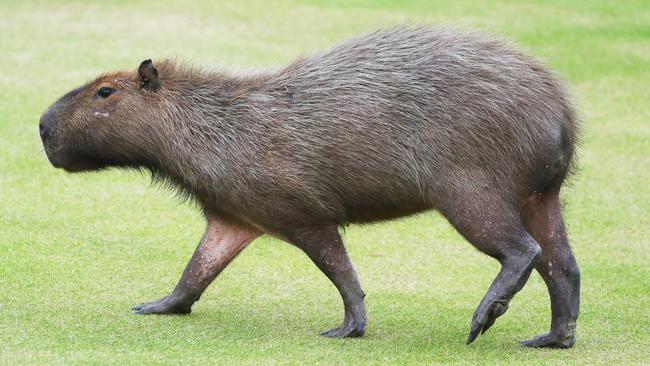
Credit: www.foxsports.com.au
Capybaras In Australian Zoos And Parks
While you won’t see capybaras roaming free, you might be able to spot them in some Australian zoos and wildlife parks. A few zoos have brought in capybaras for education and conservation reasons, but they are rare compared to more common animals like kangaroos or wombats.
Where You Might See Capybaras In Australia
- Melbourne Zoo: Known to have capybaras as part of their South American animal exhibits.
- Taronga Zoo (Sydney): Sometimes features capybaras in their collection.
- Smaller wildlife parks: Occasionally house capybaras, but always in controlled, secure enclosures.
However, capybaras are still not a common sight in Australian zoos. Most zoos focus on native animals or more widely recognized exotic species.
Capybaras Compared To Other Zoo Animals
Here’s a quick look at how capybaras compare to other exotic animals you might see in Australian zoos:
| Animal | Native Region | Number in Zoos | Public Interest |
|---|---|---|---|
| Capybara | South America | Very Few | Rising |
| Meerkat | Africa | Many | High |
| Red Panda | Asia | Few | High |
| Giraffe | Africa | Many | Very High |
Can You Own A Capybara As A Pet In Australia?
The idea of having a capybara as a pet is popular online. Their gentle nature and unique appearance attract animal lovers. However, in Australia, it is illegal to own a capybara as a pet.
Reasons Capybara Pets Are Not Allowed
- Biosecurity risks: Capybaras could carry diseases that threaten local wildlife.
- Invasive potential: If capybaras escaped, they could compete with native species for resources.
- Special needs: Capybaras need lots of water and space. Most homes can’t meet these needs.
- Legal restrictions: Both federal and state governments do not issue permits for capybaras as pets.
If you see a capybara in a private setting in Australia, it is almost certainly illegal or being kept under special research permits.
What If Capybaras Were Introduced To Australia?
Australia has a long history of trouble with introduced species. Rabbits, cane toads, and foxes are just a few examples that have caused major environmental problems. If capybaras were introduced, there could be risks:
- Competing with native animals: Capybaras could outcompete animals like bandicoots or wallabies for food.
- Damaging waterways: Their grazing could harm riverbanks and wetlands.
- Disease spread: They might introduce new parasites or diseases.
Here’s a comparison of some key invasive species and potential impact if capybaras were introduced:
| Species | Year Introduced | Main Impact | Current Status |
|---|---|---|---|
| Rabbit | 1859 | Soil erosion, loss of native plants | Widespread pest |
| Cane Toad | 1935 | Toxic to predators, disrupts ecosystems | Expanding range |
| Capybara (hypothetical) | Not introduced | Competition, habitat damage, disease risk | Not present |
Capybaras Vs. Native Australian Animals
Australia is famous for its unique animals, like kangaroos, koalas, and wombats. How do capybaras compare to these native creatures?
| Animal | Habitat | Diet | Social Behavior |
|---|---|---|---|
| Capybara | Wetlands, rivers | Grass, aquatic plants | Large social groups |
| Kangaroo | Grasslands, forests | Grass, leaves | Loose groups (mobs) |
| Wombat | Bushland, forests | Grass, roots | Mostly solitary |
One non-obvious insight: if capybaras ever escaped in Australia, they would likely compete directly with wallabies and wombats for food and shelter, especially near water sources.
Another detail most people miss: Australia’s native rodents are much smaller and more adapted to arid environments than the water-loving capybara.
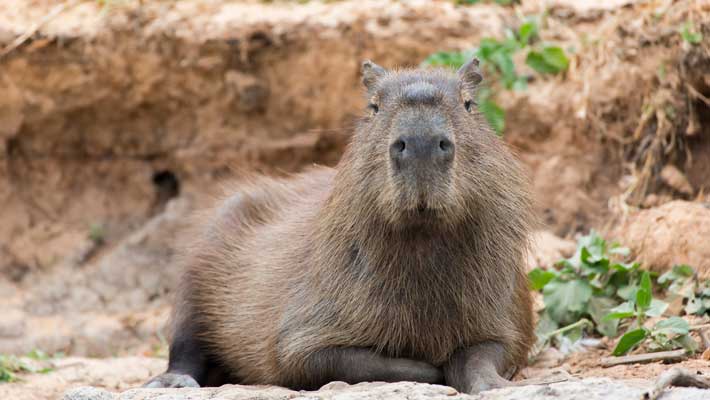
Credit: taronga.org.au
Conservation And Education
Some zoos use capybaras to teach visitors about biodiversity and the dangers of introducing non-native species. They are a great example of why Australia’s strict laws exist. Seeing a capybara in a zoo can help Australians appreciate the balance of their own wildlife.
If you’re interested in learning more about capybaras, you can find detailed information at the Wikipedia Capybara page.
Frequently Asked Questions
Are There Any Wild Capybaras In Australia?
No, there are no wild capybaras in Australia. All capybaras in the country are in zoos or wildlife parks.
Can You Legally Own A Capybara As A Pet In Australia?
No, it is illegal to own a capybara as a pet. Australia’s biosecurity laws prevent the import and ownership of these animals.
Why Are Capybaras Not Allowed In Australia?
Capybaras are not allowed because they could become invasive, spread disease, and harm native wildlife and habitats.
Where Can I See A Capybara In Australia?
You can see capybaras in a few large zoos, such as Melbourne Zoo and Taronga Zoo, but they are uncommon.
What Would Happen If Capybaras Escaped Into The Wild In Australia?
If capybaras escaped, they could compete with native animals, damage habitats, and possibly spread new diseases.
Australia’s unique environment is one of its greatest strengths. While capybaras are fascinating creatures, they belong in their natural home. For Australians, the best way to enjoy these animals is through responsible zoos or by learning about them online.

Credit: capycool.com.au


