

Can Capybara Be Pets
A capybara looks like a giant, friendly guinea pig. Its calm face and social nature make many people wonder if it could be a good pet. Capybaras have become popular online thanks to photos and videos showing them relaxing with other animals and even humans.
But is it really a good idea to have a capybara as a pet? There are important things to know before bringing one home. This article explains what you need to consider, the challenges, legal issues, and what daily life with a capybara is truly like.
What Is A Capybara?
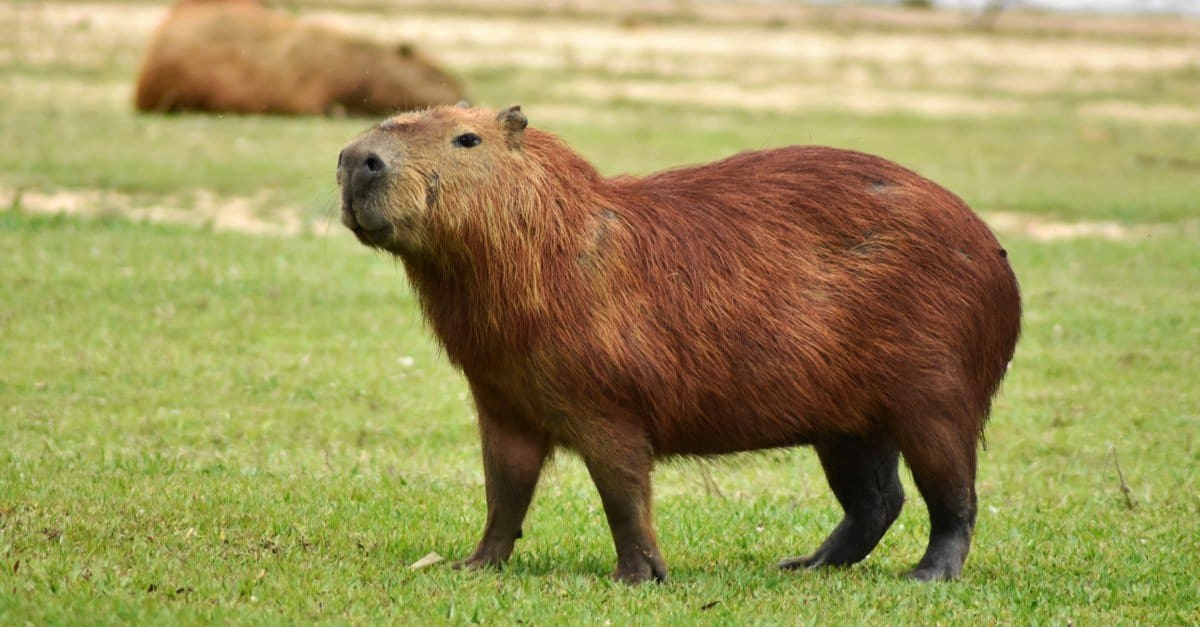
The capybara is the largest rodent in the world. Adults can weigh up to 150 pounds (about 68 kg) and reach 2 feet (60 cm) tall at the shoulder. Native to South America, capybaras live near water in groups of 10–20. They are herbivores, eating mostly grass and aquatic plants.
Capybaras are semi-aquatic, meaning they spend a lot of time in water. They have webbed feet, short fur, and eyes placed high on their heads for swimming. Their gentle appearance hides the fact that they have special needs which can be hard to meet in a home.
Legal Issues: Is It Allowed To Own A Capybara?
Before considering a capybara as a pet, check the law. In many places, owning a capybara is illegal or requires special permits. Rules vary widely even between cities and states.
| Country/State | Legal Status | Permit Needed? |
|---|---|---|
| United States (varies by state) | Sometimes legal | Often |
| United Kingdom | Legal | No |
| Canada (varies by province) | Rarely legal | Usually |
| Australia | Illegal | N/A |
Laws can change, so always check with local wildlife or animal control offices. Fines for illegal ownership can be high, and animals may be taken away.
Requirements For Keeping A Capybara
Space And Environment
Capybaras need much more space than most pets. They are not suited to small homes or apartments.
- A large, secure outdoor area is essential (at least 100 square meters per animal).
- Fencing must be strong and high, because capybaras can dig and jump.
- Access to a swimming pool or pond is a must. Capybaras need water to swim, cool down, and feel safe.
Diet And Feeding
Capybaras eat mainly grass, hay, and some fruit or vegetables. They graze for several hours a day.
| Food Type | Amount per Day (per adult) | Notes |
|---|---|---|
| Fresh grass/hay | 2-4 kg | Main food, must be always available |
| Fresh vegetables | 200-400 g | Carrots, lettuce, squash |
| Fruits | Small treat | Too much can cause health problems |
Capybaras also need vitamin C—they can develop scurvy like guinea pigs if they don’t get enough.
Social Needs
Capybaras are highly social. In the wild, they live in groups. Keeping a single capybara can lead to loneliness and stress. Experts recommend having at least two capybaras together. They can form strong bonds with humans, but it is not the same as having another capybara.
Veterinary Care
Finding a vet who knows about exotic animals is important. Capybaras can suffer from:
- Parasites
- Dental problems
- Skin infections
- Vitamin deficiencies
Vet bills can be expensive, and not all clinics will accept exotic pets.
Challenges Of Having A Capybara As A Pet
Size And Strength
A capybara is large and powerful. If scared or upset, it can knock over furniture or even people. Training and socializing are important, but they can still act unpredictably.
Mess And Smell
Capybaras eat a lot and produce a lot of waste. Their living area must be cleaned daily. If they do not have access to water, they may use pools or bathtubs as toilets.
Chewing And Destruction
Like all rodents, capybaras chew constantly to keep their teeth short. They can destroy wooden furniture, electric cables, garden plants, and more.
Cost
Keeping a capybara is expensive. Costs include:
- Secure fencing
- Building a pool or pond
- High-quality food
- Special vet care
- Permits and insurance
Expect to spend several thousand dollars in the first year.

Credit: twpark.com
Pros And Cons Compared To Traditional Pets
| Factor | Capybara | Dog | Cat |
|---|---|---|---|
| Space Needed | Very high | Medium | Low |
| Diet | Specialized | Commercial food | Commercial food |
| Vet Care | Exotic specialist | Common | Common |
| Social Needs | Very social, needs group | Varies | Independent |
| Destructive Behavior | Chews a lot | Some | Low |
Most people find that capybaras require much more attention, space, and money than a dog or cat.
Capybara Behavior And Temperament
Capybaras are known for their gentle, calm nature. They often get along with other animals such as dogs, ducks, and even cats. However, their size and strength mean playtime must be supervised.
They enjoy being in water, sunbathing, and social grooming. A happy capybara will “talk” with barks, whistles, and purrs. But if lonely, bored, or stressed, they can become aggressive or depressed.
Credit: a-z-animals.com
Common Mistakes When Keeping Capybaras
- Thinking capybaras are like giant guinea pigs. They have much more complex needs.
- Keeping only one capybara. Loneliness is a serious welfare issue.
- Underestimating the cost and time commitment.
- Not providing enough water or space.
- Ignoring local laws, which can lead to legal trouble and loss of the pet.
Many people buy capybaras after seeing cute videos, but few are prepared for the reality.
Non-obvious Insights
- Capybaras can be escape artists. They can open simple latches and dig under fences.
- They can live up to 12 years with good care, which is a big long-term commitment.
- In some climates, capybaras need heated shelters in winter. They are not suited to cold, dry places.

Credit: www.adoptapet.com
Should You Get A Capybara As A Pet?
Capybaras can be wonderful companions for the right person with enough land, money, and time. But for most people, they are not practical pets. If you want to see capybaras, consider visiting a wildlife park or sanctuary. This is safer for both the animal and your family.
For more information and in-depth care guides, visit the Wikipedia Capybara page.
Frequently Asked Questions
Can Capybaras Be House-trained?
Capybaras can sometimes learn to use one area for waste, but they are not as easy to train as dogs or cats. They may prefer to relieve themselves in water.
Do Capybaras Get Along With Other Pets?
Capybaras are social and can get along with many animals, but always supervise their interactions. Dogs, in particular, can sometimes see capybaras as prey.
How Much Does It Cost To Own A Capybara?
The first year can cost $2,000–$5,000 or more, including fencing, water area, and vet bills. Ongoing costs include food, maintenance, and healthcare.
What Do Capybaras Eat?
Their main diet is fresh grass and hay. They also enjoy some vegetables and fruit, but these should be limited. They require a diet high in fiber and vitamin C.
Are Capybaras Dangerous?
Capybaras are usually gentle, but their large size and powerful teeth mean they can bite or injure if scared or stressed. Socialization and careful handling are important.


