

Capybaras are the world’s largest rodents, living peacefully in the heart of tropical rainforests. Their gentle, social nature often makes people wonder about their daily lives, especially what they eat to grow so large. Exploring the diet of capybaras in the rainforest is like uncovering the secret to their survival.
Their menu is surprisingly diverse, and every food choice helps them adapt to their unique environment.
Capybara Habitat: The Rainforest Pantry
The tropical rainforest is a rich, ever-changing ecosystem. Capybaras live near rivers, lakes, and flooded areas, where water is always close. This habitat offers endless types of plants, but not all are safe or useful for capybaras. They must choose wisely to get the right nutrition and stay healthy.
Capybaras are herbivores, meaning they eat only plants. Their bodies are built for digesting tough plant fibers, and their diet changes with the seasons and water levels. During the wet season, food is everywhere. In the dry season, they need to search harder.
Main Foods Capybaras Eat
Capybaras do not eat random plants. They look for food that is easy to chew, full of water, and gives them the energy they need.
1. Grasses
Grasses are the most important part of a capybara’s diet. They spend hours every day grazing on different types of rainforest grasses. These grasses are soft, have plenty of water, and help keep their teeth healthy. On average, grasses make up 60–80% of their total food intake.
2. Aquatic Plants
Capybaras love to eat plants that grow in or near water. These include water hyacinths, reeds, and water lettuce. Aquatic plants are rich in moisture, which helps capybaras stay hydrated, especially during hot periods.
3. Fruits
While not their main food, capybaras enjoy a variety of rainforest fruits. They eat fallen mangoes, guavas, and wild berries. These fruits give them extra vitamins, sugar, and energy. However, too much fruit can upset their stomach, so they eat it in small amounts.
4. Leaves And Bark
When grasses are less available, capybaras turn to leaves and even soft tree bark. They pick young, tender leaves that are easier to digest. Chewing on bark also helps keep their teeth from growing too long.
5. Herbs And Weeds
Herbs and weeds, such as clover and wildflowers, are a minor but useful food source. These plants add variety to their diet and provide extra nutrients that may be missing from grasses alone.
6. Roots And Tubers
In some parts of the rainforest, capybaras dig for roots and tubers when other food is hard to find. These underground parts are rich in starch and help capybaras store energy.
Seasonal Food Changes
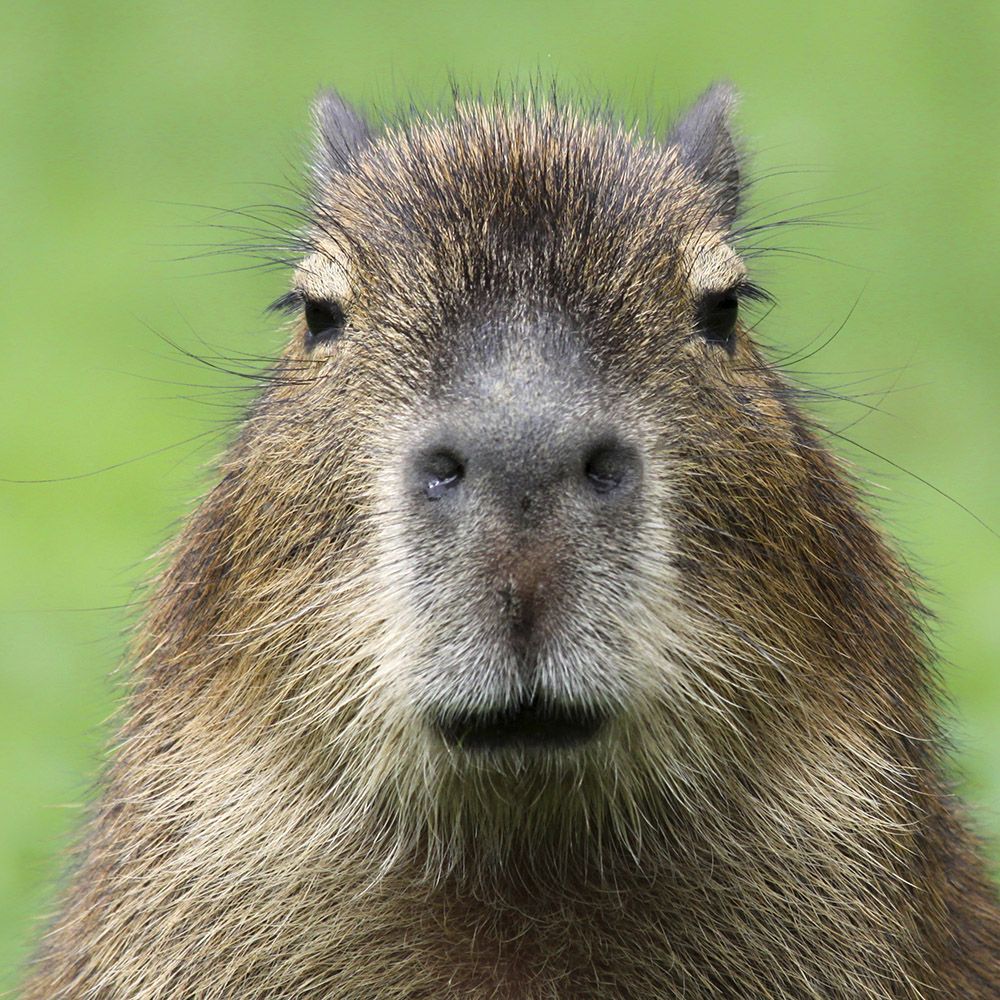
The rainforest is never the same from month to month. During the rainy season, capybaras eat mostly fresh grass and aquatic plants. In the dry season, they may depend more on leaves, bark, and roots, as many grasses dry out or disappear.
Credit: www.rainforest-alliance.org
How Capybaras Digest Their Food
Capybaras have a special way of digesting tough plant material. Their stomachs work slowly, and they need to chew their food well. One unique behavior is coprophagy—they eat some of their own soft droppings early in the morning. This helps them get more nutrients from their food by digesting it a second time.
Capybaras have sharp, ever-growing teeth. Eating rough plants and bark keeps their teeth at the right length. If their teeth grow too long, it can make eating impossible.
Capybara Diet Vs. Other Rainforest Herbivores
Capybaras are not the only herbivores in the rainforest. However, their food choices set them apart from animals like tapirs or deer.
| Animal | Main Foods | Unique Diet Features |
|---|---|---|
| Capybara | Grasses, aquatic plants, fruits, leaves | Specializes in soft, moist plants near water |
| Tapir | Fruits, leaves, twigs | Uses flexible snout to reach higher plants |
| Deer | Leaves, fruits, seeds | Browses more on shrubs and trees |
This comparison shows that capybaras prefer plants close to water, while other herbivores eat more from trees and bushes.
Nutritional Needs And Survival
Capybaras need a diet high in fiber but not too much sugar or fat. The rainforest provides a balance, but capybaras must eat a lot—up to 3–4 kg of food per day. Their large size means they need more food than smaller rodents.
Eating a variety of plants helps capybaras avoid nutrient problems. For example, too much fruit can cause diarrhea, while only eating grass can lead to vitamin shortages. By changing their diet with the seasons, capybaras stay healthy year-round.
Non-obvious Feeding Habits
Many people do not realize that capybaras often eat at night or in the early morning. This helps them avoid predators and the hot midday sun. Also, capybaras sometimes follow other animals, like birds or monkeys, to find fallen fruits or new feeding spots.
Another surprising detail is that capybaras are picky eaters. They can smell and taste toxins in plants and will avoid dangerous foods, even if they are hungry.
Capybaras And Human Impact
Human activity affects what capybaras eat. In some places, logging and farming have reduced natural food sources. Capybaras may wander into fields to eat crops like sugarcane or corn. This can cause problems for farmers but also shows how adaptable capybaras are.
Conservation efforts focus on protecting riverbanks and wetlands. These areas are rich in natural food and give capybaras the space they need to thrive.
Interesting Data: Daily Diet Breakdown
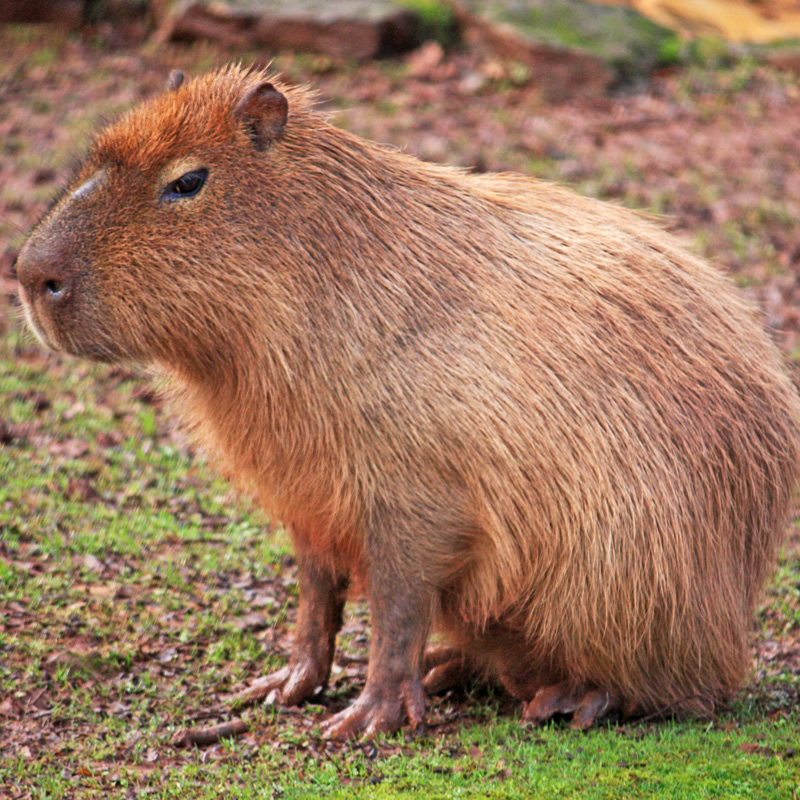
Below is a typical daily diet for a wild capybara in the rainforest, by percentage:
| Food Type | Percentage of Diet |
|---|---|
| Grasses | 60% |
| Aquatic Plants | 20% |
| Fruits | 10% |
| Leaves, Bark, Herbs | 10% |
Credit: www.rainforestanimals.net
The Role Of Capybaras In The Rainforest Food Web
Capybaras are not just eaters—they also help the rainforest. By grazing and moving seeds in their droppings, they spread plants and create new growth. Their eating habits keep grasslands open and provide food for predators like jaguars and caimans.
Below is a simple food web connection:
| Role | Examples |
|---|---|
| Primary Consumer | Capybara |
| Secondary Consumer | Jaguar, Caiman |
| Producer | Grass, Aquatic plants |
Frequently Asked Questions
What Is The Main Food For Capybaras In The Rainforest?
Grasses are the main food, making up over half of their daily diet. They also eat aquatic plants, fruits, and leaves when available.
Do Capybaras Eat Meat Or Fish?
No, capybaras are strict herbivores. They do not eat meat, fish, or insects.
How Do Capybaras Find Food In The Rainforest?
Capybaras use their strong sense of smell and hearing to find fresh plants. They often feed at dawn or dusk when it is safer.
Are Capybaras Ever At Risk From Poisonous Plants?
Capybaras have learned to avoid most toxic plants. Their sense of taste helps them detect danger, but young capybaras sometimes make mistakes.
Where Can I Learn More About Capybaras?
You can read more about capybaras and their diet at the Wikipedia Capybara page.
Capybaras’ ability to adapt their diet makes them true survivors in the tropical rainforest. Their careful food choices and feeding habits support not just their own health, but the balance of their entire ecosystem. Understanding what capybaras eat teaches us about the complex web of life in one of the world’s richest environments.

Credit: worldrainforests.com


