

Can Catholics Eat Capybara During Lent
Every year, millions of Catholics around the world observe Lent, a special period of fasting, prayer, and reflection. One key rule during Lent is avoiding meat on Fridays and on certain holy days. But what happens when you live in a place where fish is rare, and another animal, like the capybara, is common? This question is not just theoretical—it’s a real concern for many people in South America, especially in countries like Venezuela and Brazil. But are Catholics actually allowed to eat capybara during Lent? The answer is surprising and involves history, culture, and even a little bit of animal science.
Understanding Lenten Dietary Rules
The Catholic Church asks its followers to abstain from meat on Fridays during Lent. This tradition is meant to encourage sacrifice and reflection. But what counts as “meat” according to Catholic teaching?
For most people, the rule is simple:
- Land mammals (beef, pork, chicken) are not allowed.
- Fish and seafood are permitted.
The idea is that fish was seen as a food for the poor or a less luxurious meal. However, not all animals fit neatly into “fish” or “meat. ”
The Unique Capybara
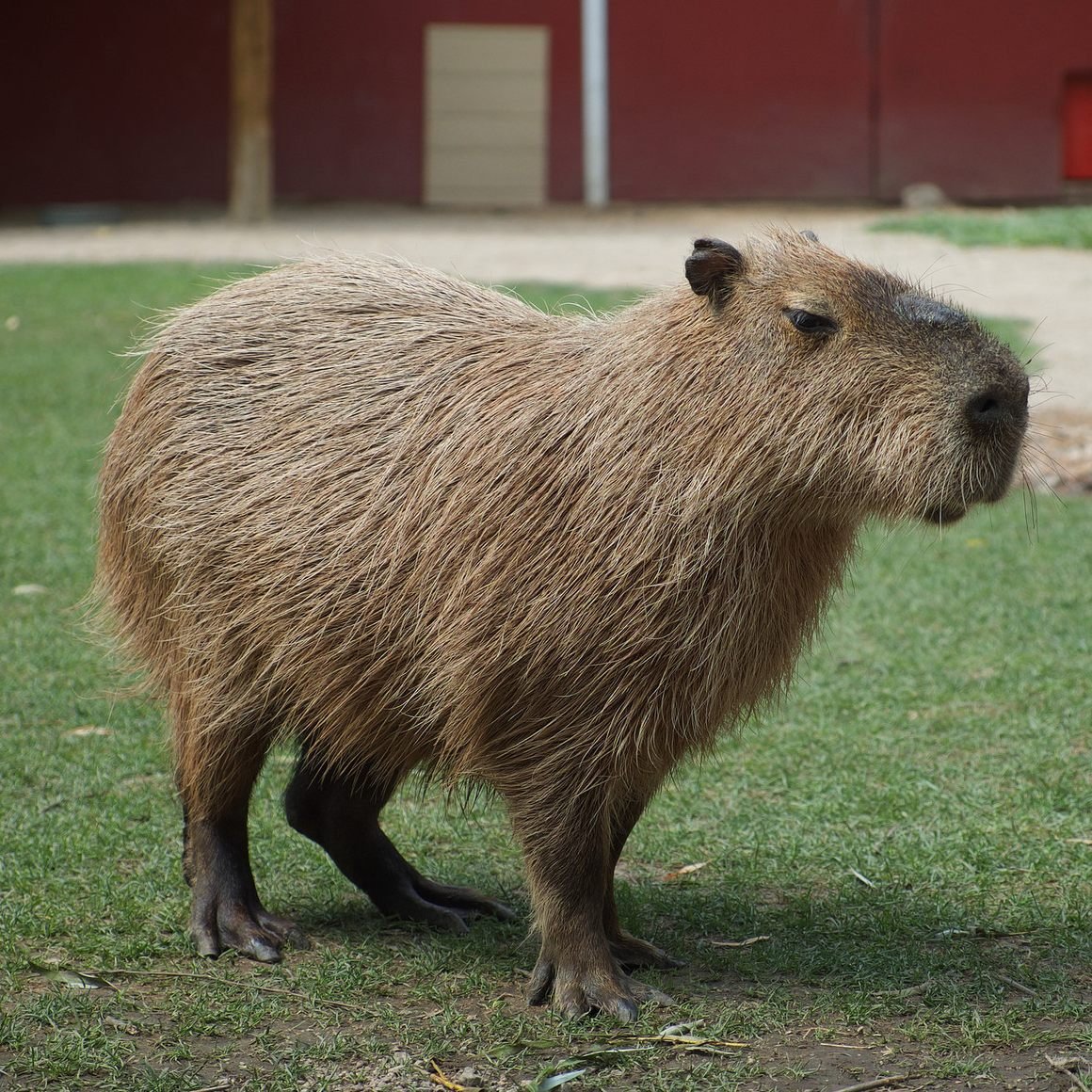
The capybara is the world’s largest rodent. It’s a semi-aquatic animal found in swamps and rivers across South America. Capybaras can weigh up to 66 kg (145 lbs) and often move in groups near water. For many people in Venezuela and nearby countries, capybara meat is a traditional food, especially during Lent.
But capybara is clearly not a fish. So why do some Catholics eat it during Lent?
Credit: www.catholicarena.com
History Of The Capybara Exception
In the 16th and 17th centuries, Spanish missionaries and colonists in South America faced a problem. Fish was hard to find in some areas, but capybaras were everywhere. Locals depended on them for food. People asked church leaders if eating capybara during Lent was allowed.
After much discussion, Catholic authorities sent the question to Rome. The answer came back: capybara could be classified as “fish” for the purpose of Lent. This decision was based on:
- The capybara’s semi-aquatic lifestyle (it spends much time in water)
- Its webbed feet and aquatic habits
- The practical need for protein in remote regions
This exception may sound unusual, but it is not unique. The Church has made similar rulings for other animals, like beaver and even some species of muskrat.
Comparing Capybara To Other Lenten Foods
To see how capybara fits with other foods allowed or not allowed during Lent, consider the table below:
| Food | Classification | Lenten Status |
|---|---|---|
| Beef | Land Mammal | Not Allowed |
| Chicken | Bird | Not Allowed |
| Fish | Fish | Allowed |
| Capybara | Semi-aquatic Rodent | Allowed (in some regions) |
| Beaver | Semi-aquatic Mammal | Allowed (in some regions) |
Credit: www.atlasobscura.com
The Church’s Reasoning
Why did the Church make this exception? There are several reasons:
- Practicality: In remote areas, fish was not available, and people needed a protein source.
- Animal Habits: Capybaras spend much of their lives in water and have webbed feet, making them more like fish in some ways.
- Cultural Tradition: Over time, eating capybara became a Lenten tradition in certain regions.
It’s important to note that this is a local exception. The Church’s general rule still stands: no meat from land mammals or birds. But in specific places, with a tradition of eating capybara, it is allowed.
Capybara On The Lenten Table: How It’s Eaten
In countries like Venezuela, capybara—known locally as “chigüire”—is a popular dish during Lent. People prepare it in many ways:
- Stewed with spices and vegetables
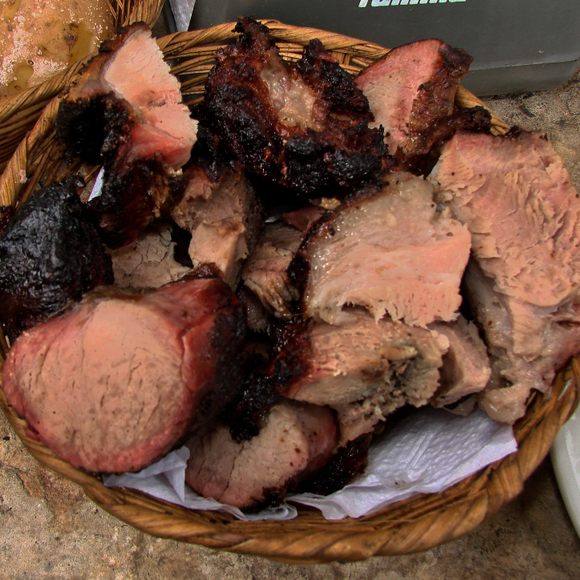
- Roasted over a fire
- Cooked in soups
Capybara meat is described as tender and flavorful, similar to pork but a bit leaner. During Holy Week, markets sell large quantities of capybara, and families gather to enjoy traditional recipes.
Here is a look at how capybara fits into Lenten meals in Venezuela:
| Preparation Method | Popular Dishes | Occasion |
|---|---|---|
| Stewing | Chigüire guisado | Holy Week |
| Roasting | Chigüire asado | Lent Fridays |
| Soup | Chigüire soup with root vegetables | Family gatherings |
Non-obvious Insights Most People Miss
Many Catholics think the Church’s rules are the same everywhere. But local exceptions do exist, often based on geography and history. For example, people in Quebec, Canada, can eat beaver during Lent for similar reasons as capybara in South America.
Another detail: the Church’s decision was not just about animal biology. It considered the needs of believers, local traditions, and the spirit of Lenten sacrifice. The goal was not to create loopholes, but to help people observe their faith in real-life conditions.
What Modern Church Leaders Say
Today, these rules are still respected in some South American countries. However, outside these regions, most Catholics would not consider eating capybara during Lent. If you are traveling or living abroad, it’s best to check with your local diocese or parish priest if you are unsure.
The Catholic Church still encourages the core values of Lent: sacrifice, reflection, and charity. The focus is not just on what you eat, but on the spirit in which you observe the season.

Credit: www.reddit.com
Ethical And Conservation Considerations
While eating capybara is traditional in some countries, there are also questions about wildlife conservation. In Venezuela, capybara farming helps protect wild populations and supports local communities. However, over-hunting in other regions could threaten the species.
If you choose to try capybara during Lent, make sure it comes from a legal and sustainable source. This respects both the spirit of Lent and the environment.
Frequently Asked Questions
Is Eating Capybara During Lent Allowed Everywhere?
No, the permission to eat capybara during Lent is a regional exception. It mainly applies to some South American countries, especially Venezuela. Always check with your local church.
Why Does The Church Allow Capybara But Not Other Mammals?
The capybara exception is based on its semi-aquatic lifestyle and local traditions. Similar exceptions exist for animals like beaver and muskrat in other regions.
Does Eating Capybara Break The Spirit Of Lenten Fasting?
Not if done with respect for the tradition and the purpose of Lent. The goal is sacrifice and reflection, not just following rules. The Church made this exception to support believers.
Are There Any Health Risks With Eating Capybara?
Capybara meat is generally safe if properly cooked. As with any wild animal, ensure it comes from a reliable source and is prepared with good hygiene.
Where Can I Learn More About Lenten Fasting Rules?
You can find more information on the official Catholic Church website or in resources like Wikipedia: Fasting and abstinence in the Catholic Church.
Lent is a season of meaning and tradition. Whether you eat fish, capybara, or simple vegetables, the most important thing is to observe with sincerity and understanding.


