

Owning a unique pet can be exciting, especially when the animal is as gentle and sociable as a capybara. Often called the world’s largest rodent, these semi-aquatic creatures are gaining popularity as pets in the United States. But before you rush to adopt one, it’s important to understand the laws, care needs, and responsibilities involved—especially in a state like Florida. Let’s dive into what you need to know if you’re asking, “Can I own a capybara in Florida?”
Capybara Ownership Laws In Florida
Florida has some of the most detailed exotic animal laws in the country. The Florida Fish and Wildlife Conservation Commission (FWC) is the authority that regulates the ownership of non-native and exotic animals.
Capybaras fall under the FWC’s “Class III” wildlife category. This means they are seen as exotic but not highly dangerous. Owning a capybara in Florida is legal, but you must follow specific rules.
| Requirement | Details |
|---|---|
| Permit Needed | Yes, a Class III permit from FWC |
| Age Restriction | Must be 16 years or older to apply |
| Inspections | Property and housing may be inspected |
| Animal Health | Must provide adequate veterinary care |
You do not need to show prior experience with capybaras, but you must complete an application and answer questions about your plans and facilities. If you want to breed or sell capybaras, extra permits are required.
How To Get A Capybara Permit
Getting a permit is not hard, but it’s important to be careful with the application. You will need to:
- Fill out the FWC Class III Personal Use Permit form.
- Describe your enclosure and the animal’s living conditions.
- Show you have the right space and care plan.
- Pay any required fees (usually around $50).
The FWC will review your details and may visit your property to check your setup. If you pass, you will receive your permit and can legally own a capybara.

Credit: flabaranimals.org
Capybara Care Requirements
Capybaras are not low-maintenance pets. They need space, water, companionship, and special food. Here’s what you must provide:
Space And Enclosure
Capybaras are large—adults weigh 70 to 150 pounds and can reach 4 feet in length. They need a secure, escape-proof enclosure. Most experts recommend at least 12 feet by 20 feet of outdoor space per animal.
Include:
- Strong fencing (at least 4 feet tall)
- Shade and shelter from the sun and rain
- Grass or soft ground
Water Needs
Capybaras love water. They must have a pond or pool deep enough for swimming and soaking. This keeps them healthy and happy.
| Capybara Need | Minimum Requirement |
|---|---|
| Pond Size | At least 3 feet deep, 8 feet wide |
| Water Quality | Clean, filtered, changed often |
Social And Mental Health
Capybaras are very social. In the wild, they live in groups. Keeping a single capybara can lead to stress, depression, and health problems. It’s strongly advised to keep at least two capybaras together.
Diet And Nutrition
Their diet is mostly grasses, hay, and vegetables. They need constant access to fresh water and should not eat food with lots of sugar or fat. Many owners offer:
- Timothy hay
- Leafy greens
- Fresh grass
- Limited fruit (as treats)
A lack of proper nutrition can cause dental and digestive issues.
Veterinary Care
Exotic vets are not common everywhere in Florida. Make sure you have a vet who can care for rodents and large mammals. Annual checkups and emergency plans are essential.
What Are The Risks And Challenges?
Before deciding to own a capybara, consider these challenges:
- Zoning laws: Some cities or neighborhoods may ban exotic pets, even if the state allows them.
- Noise and smell: Capybaras can be noisy (barking, whistling) and their waste needs daily cleaning.
- Cost: Initial setup (fencing, pool, shelter) can cost thousands of dollars. Food and vet care are ongoing expenses.
- Escape risk: Capybaras are strong and smart. If they escape, they can become lost or cause problems for neighbors.
Capybara Vs. Other Exotic Pets
How do capybaras compare to other exotic pets allowed in Florida? Here’s a quick look:
| Animal | Permit Needed | Space Required | Social Needs |
|---|---|---|---|
| Capybara | Yes (Class III) | Large outdoor enclosure | High (needs companions) |
| Hedgehog | No | Small cage | Low (can be alone) |
| Ferret | No | Medium cage | Medium |
| Raccoon | Yes (Class III) | Large cage | Medium |
Capybaras need the most space and social time. They are also among the most expensive to keep.
Common Beginner Mistakes
New owners often make these mistakes:
- Keeping a single capybara – Capybaras need company to avoid loneliness.
- Underestimating enclosure needs – Small or weak enclosures lead to escapes.
- Ignoring local laws – Always check city or HOA rules before bringing a capybara home.
- Not finding a vet first – Don’t wait until an emergency to look for an exotic animal vet.
- Feeding the wrong diet – Avoid processed pet foods, bread, or too much fruit.
Avoiding these mistakes helps you keep your pet healthy and legal.
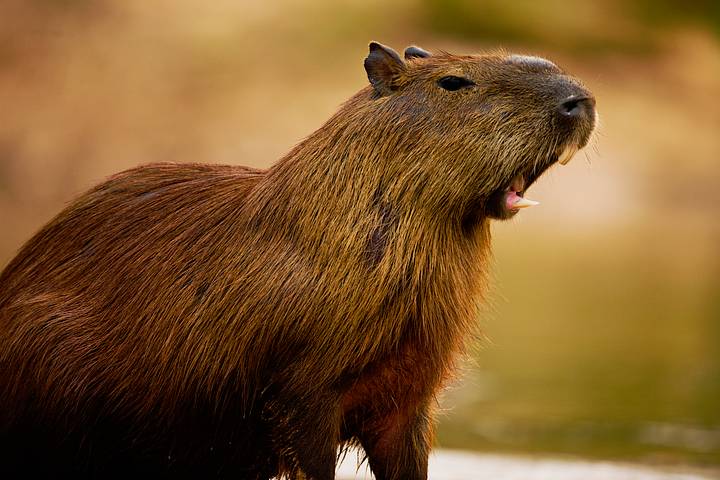
Credit: www.mentalfloss.com
Why Do People Want Capybaras?
Capybaras are known for their gentle nature, intelligence, and friendliness. Videos of capybaras relaxing with ducks or letting children pet them are common online. Their calm personalities make them attractive to families and animal lovers who want an unusual but loving companion.
However, their special needs mean they are not right for everyone. If you’re interested, visit a local wildlife park to spend time with capybaras before deciding.
Where To Learn More
For official rules and permit applications, visit the Florida Fish and Wildlife Conservation Commission. They provide the most current laws and documents.

Credit: capybaramag.com
Frequently Asked Questions
Is It Legal To Own A Capybara In Florida?
Yes, you can own a capybara in Florida with a Class III permit from the FWC. You must also follow local city or county rules.
How Many Capybaras Should I Keep?
It’s best to keep at least two capybaras together. They are very social and can become unhappy if kept alone.
Are Capybaras Dangerous?
Capybaras are usually gentle, but they can bite if scared or stressed. They are not considered dangerous, but children should be supervised.
How Much Does It Cost To Own A Capybara?
Initial costs can be $3,000–$5,000 for the animal, enclosure, and pond. Monthly care (food, vet, cleaning) is about $100–$200.
Can I Keep A Capybara Indoors?
It’s not recommended. Capybaras need lots of space and access to water. Keeping them indoors can lead to health and behavior problems.
Owning a capybara in Florida is possible, but it requires commitment, planning, and respect for the law. If you’re ready for the responsibility, these gentle giants can be rewarding and unique companions.


