

Are Capybaras Poisonous?
Capybaras are often called “gentle giants” of the rodent world. Their calm nature, big size, and social habits make them popular in internet memes and animal parks. But as more people become interested in these unique animals, one question appears again and again: Are capybaras poisonous? If you’re curious about their safety, possible risks, and what makes them special, this article explains everything you need to know.
What Are Capybaras?
Capybaras are the largest rodents in the world. They come from South America and live near rivers, lakes, and swamps. Adults can grow up to 1.3 meters (4.3 feet) long and weigh as much as 66 kg (146 lbs). Their webbed feet help them swim, and they spend a lot of time in water to escape predators.
Capybaras eat grass, aquatic plants, and sometimes fruit. They live in groups, sometimes up to 100 individuals during dry seasons. People often find their relaxed attitude charming, which is why capybaras are popular in zoos and even as pets in some countries.
Poisonous Vs. Venomous: What Do These Words Mean?
Before answering the main question, it’s important to understand the difference:
- Poisonous animals harm you if you touch or eat them. Example: Poison dart frogs.
- Venomous animals inject toxins when they bite or sting. Example: Snakes.
Many people mix up these words. When someone asks if capybaras are poisonous, they usually want to know if capybaras can make humans or other animals sick through bites or skin contact.
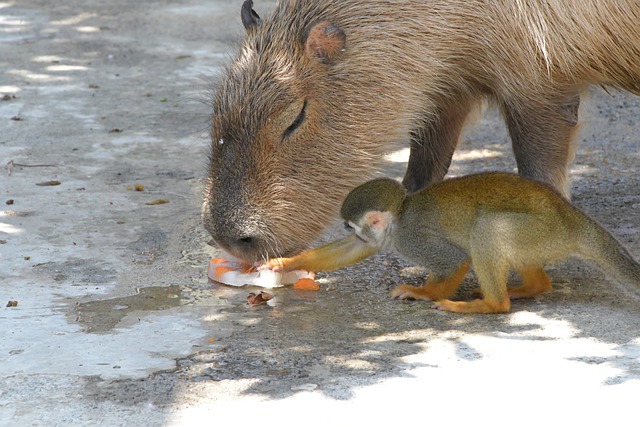
Credit: capybarafacts.com
Are Capybaras Poisonous?
The short answer is no, capybaras are not poisonous. There is no scientific evidence that capybaras have any toxins in their saliva, skin, or fur. You can touch, pet, or even get bitten by a capybara (though you should never try) without worrying about poison.
Even when capybaras defend themselves, they do not use poison. Their main defense is running or hiding in water. If forced, they may bite with their strong teeth, but their bite is not toxic.
Capybara Diet And Poison Risk
Some animals can become poisonous if they eat toxic plants. Capybaras eat a simple vegetarian diet, mainly grass and water plants that are safe for humans and most other animals. They do not store plant toxins in their bodies.
However, if a capybara eats a rare toxic plant (which is unusual), there is still no evidence that this makes their meat or skin dangerous to humans. This is different from some frogs or fish, which can become poisonous from their diet.
Capybara Bites: Should You Worry?
Capybaras are friendly and gentle, but they are wild animals and can bite if scared or threatened. Their teeth are strong, and a bite can break the skin.
- Bite risk: Not poisonous, but can cause pain, bleeding, and infection.
- Infection: Like any animal bite, bacteria from the mouth can enter the wound.
- Medical care: Wash a capybara bite with soap and water. Go to a doctor if the wound is deep or swollen.
Capybara bites are rare in zoos and parks because these animals are usually used to people. Still, it’s important to treat them with respect and never corner or tease them.
Do Capybaras Carry Diseases?
While capybaras are not poisonous, they can carry diseases like many wild animals. These diseases do not come from poison, but from bacteria, viruses, or parasites.
Here’s a comparison of common risks:
| Risk | Capybaras | Common Pets (Dogs/Cats) |
|---|---|---|
| Poisonous? | No | No |
| Bite Infection Risk | Low to moderate | Moderate |
| Common Zoonotic Diseases | Leptospirosis, Salmonella | Rabies, Toxoplasmosis |
Leptospirosis is a disease you can get from water contaminated by animal urine. Capybaras, like many rodents, can carry it. Still, the risk is much lower than with rats or mice.
Capybaras As Pets: Safety Tips
Some people want to keep capybaras as pets. Before you consider this, there are important things to know:
- Legal Issues: Many countries do not allow capybaras as pets. Check your local laws.
- Space Needs: Capybaras need lots of space and access to water.
- Social Needs: They are group animals and can become sad if kept alone.
- Health Risks: While not poisonous, capybaras can carry ticks, fleas, and bacteria.
If you decide to have a capybara as a pet, regular health checks and good hygiene are important. Always wash hands after handling any wild animal.

Credit: www.reddit.com
Unique Capybara Adaptations
Capybaras survive in the wild not by poison, but by special adaptations:
| Adaptation | How It Helps |
|---|---|
| Webbed feet | Strong swimming and escaping predators |
| Thick fur | Protection from sun and some parasites |
| Social living | Many eyes watching for danger |
Unlike some animals, capybaras do not need poison to defend themselves. Their group behavior and swimming skills are their main tools for survival.
Why The Confusion? Non-obvious Insights
Many people think all wild or exotic animals might be poisonous. This is not true. Capybaras have no natural poison, but myths sometimes start because:
- Some rodents (like certain mice) carry toxins, but capybaras do not.
- Capybaras live in water, where some toxic animals (like frogs) are found.
- Their large size and teeth can look dangerous, but it’s just for eating plants.
A beginner might also miss that capybaras’ calm nature does not mean you can treat them like a pet dog. They are still wild, with different needs and behaviors.
Another detail: While capybaras are not poisonous, the water they live in can have parasites or bacteria. This is why it’s best not to swim in the same water as wild capybaras.
Capybaras And Humans: Real-world Examples
In countries like Brazil and Venezuela, people sometimes hunt capybaras for meat. There are no reports of poisoning from eating them. In zoos and parks, thousands of people touch or feed capybaras each year without problems.
A famous case in Japan: Capybara “onsen” (hot spring) baths are a tourist attraction. Visitors can watch capybaras relax in warm water. These animals are safe to observe, and there are no cases of poisoning.
For more details about capybaras’ natural history, see the Wikipedia entry on Capybaras.
Frequently Asked Questions
Are Capybaras Dangerous To Humans?
Capybaras are not dangerous if treated with respect. They are gentle, but their large size and strong teeth mean they can bite if scared. Bites are not poisonous but can hurt.
Can You Eat Capybara Meat Safely?
Yes, capybara meat is safe to eat if cooked properly. In some South American countries, it is a traditional food. There is no risk of poison.
Do Capybaras Have Any Toxic Body Parts?
No part of a capybara is toxic. Their skin, fur, and saliva are all safe to touch. Always wash hands after touching any animal to stay healthy.
Are Capybaras Safe Around Children?
Capybaras are usually calm and gentle, but children should always be supervised. Teach children to approach animals slowly and never tease or chase them.
What Should I Do If A Capybara Bites Me?
Wash the wound with soap and water right away. See a doctor if the bite is deep, bleeding a lot, or becomes swollen. Capybara bites are not poisonous, but infection is possible.
Capybaras are fascinating animals, loved for their gentle nature and unique lifestyle. If you ever meet one, you can relax knowing they are not poisonous. Just remember to treat them with kindness and care.
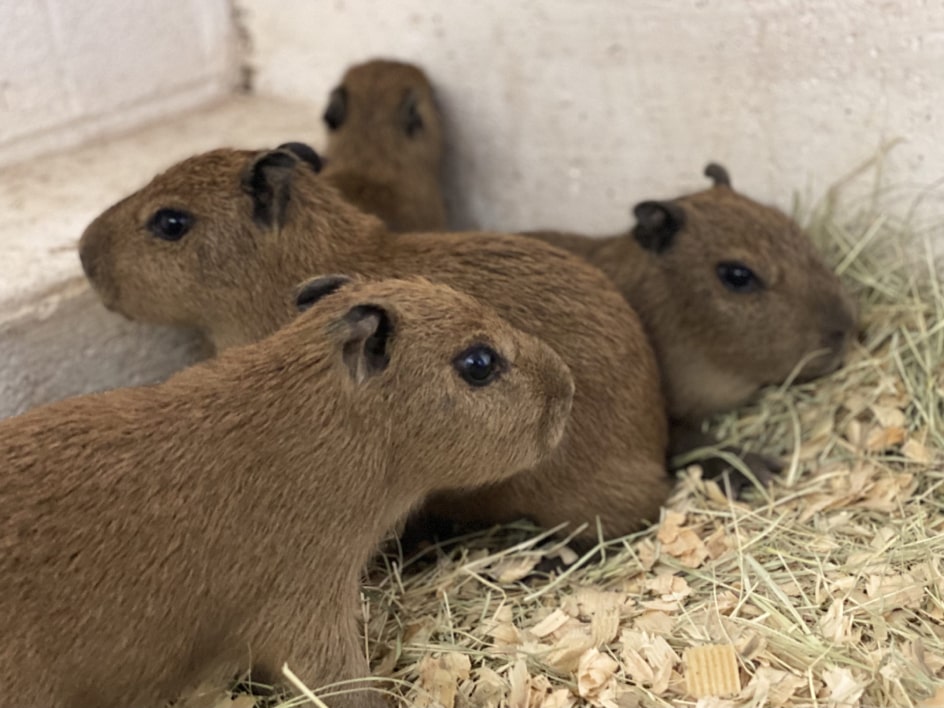
Credit: abilenezoo.org


