

Can You Eat A Capybara
When most people think of capybaras, they picture these gentle, giant rodents lounging by the water, not sitting on a dinner plate. But throughout history, humans have eaten a wide range of animals, and the capybara is no exception. If you’ve ever wondered if you can eat a capybara, the answer is more interesting—and complex—than you might expect.
What Is A Capybara?
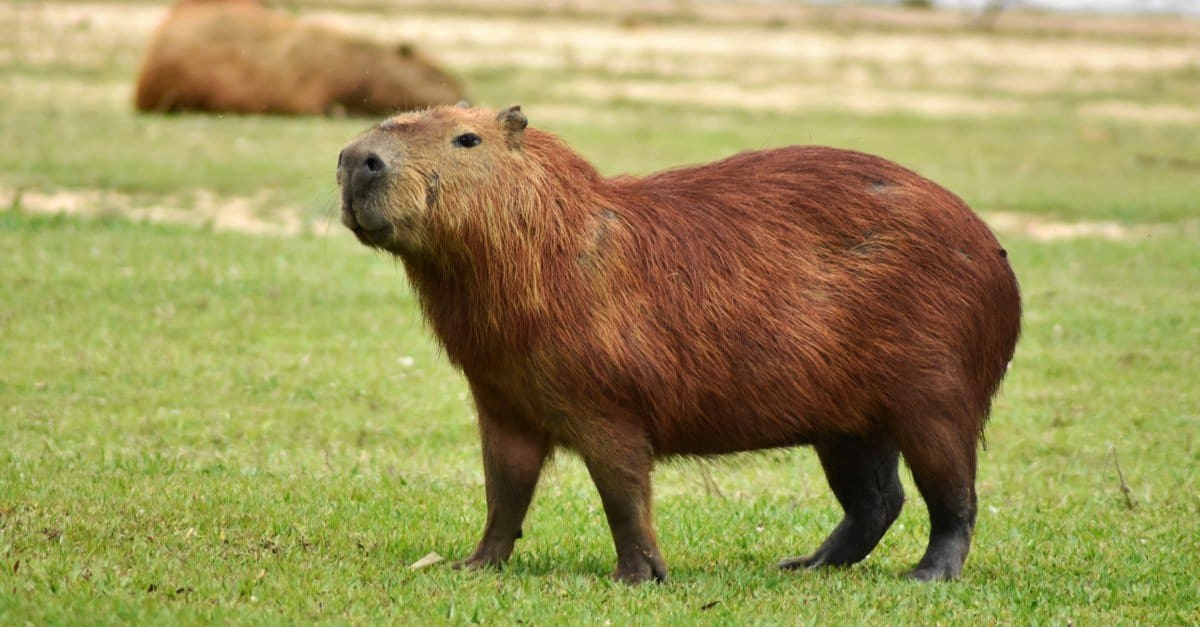
The capybara is the world’s largest rodent, native to South America. These animals live near water, often in groups, and can weigh up to 150 pounds (about 68 kg). Capybaras are herbivores, eating grass and aquatic plants. Their calm nature makes them popular in zoos and viral videos, but in some cultures, they are also considered a source of food.
Is It Legal To Eat Capybara?
Laws around eating capybara depend on where you are. In South America, especially in countries like Venezuela and Brazil, eating capybara is legal and even traditional. In the United States, the capybara is not a protected species, but you need special permits to import or raise them for food.
Some countries have strict regulations to protect wildlife. For example, capybara hunting can be illegal or require government approval. Always check local laws before considering eating exotic animals.
Why Do People Eat Capybara?
Tradition And Religion
In Venezuela, eating capybara has a long history. During Lent, Catholics avoid red meat. However, long ago, church leaders declared the capybara a “fish” because it spends so much time in water. This meant people could eat it during Lent, turning capybara meat into a seasonal delicacy.
Taste And Nutrition
Capybara meat is described as mild, similar to pork or rabbit. It is lean, with less fat than beef or pork. The meat is also high in protein and contains healthy Omega-3 fatty acids, especially in wild capybaras.
Here’s a quick comparison of capybara meat with other common meats:
| Meat | Protein (per 100g) | Fat (per 100g) | Calories |
|---|---|---|---|
| Capybara | 21g | 6g | 150 |
| Pork | 20g | 21g | 250 |
| Beef | 26g | 15g | 250 |
How Is Capybara Prepared And Eaten?
Traditional Dishes
In Venezuela, capybara meat is used in a dish called “chigüire en coco” (capybara in coconut milk). The meat is marinated, stewed, and often served with rice or plantains. In Brazil, it might be roasted or made into sausage.
Cooking Methods
- Stewing: Capybara is often slow-cooked to keep the meat tender. Spices, coconut milk, or tomato sauce are common ingredients.
- Roasting: Roasting over an open fire gives the meat a smoky flavor.
- Sausages: In some regions, the meat is ground and made into sausages, sometimes mixed with herbs.
Capybara meat must be cooked thoroughly, as with any wild game, to reduce the risk of parasites or bacteria.
Taste Experience
Capybara has a texture between pork and rabbit. It is not gamey, and people who try it usually find it quite pleasant. However, the taste can change depending on the animal’s diet and how fresh the meat is.
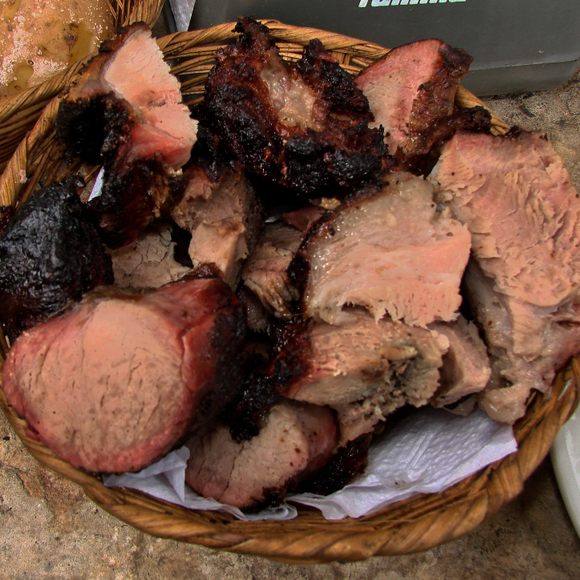
Credit: www.atlasobscura.com
Ethical And Environmental Considerations
Eating capybara raises some ethical questions. In areas where capybaras are common, hunting is often regulated to protect the population. Overhunting can threaten local wildlife. Farming capybaras for meat, on the other hand, can be more sustainable than raising cows, as capybaras eat less and adapt to different environments.
Here’s a look at the environmental impact:
| Animal | Feed Needed (kg per kg meat) | Water Use (liters per kg meat) | Land Use (m² per kg meat) |
|---|---|---|---|
| Capybara | 4-5 | 1,000 | 20 |
| Cow | 7-10 | 15,000 | 30 |
| Pig | 6-7 | 4,800 | 25 |
Capybaras are social and intelligent animals. Some people argue that eating them is unethical, especially if they are kept in poor conditions. Others see it as a local tradition and a sustainable food source.
Safety And Health Concerns
Like all wild animals, capybaras can carry diseases or parasites. If you ever have the chance to eat capybara, make sure:
- The meat is from a trusted source.
- It is inspected for health and safety.
- It is cooked thoroughly (internal temperature should reach at least 71°C or 160°F).
Eating wild meat always carries some risk. Farmed capybara is generally safer than hunted meat.
Capybara As Food In Modern Times
In most of the world, eating capybara is rare and unusual. In South America, it remains a seasonal or local specialty. Some restaurants in Venezuela and Brazil serve capybara dishes, especially during Lent.
Capybara farming is growing slowly, and there is interest in using the meat as a sustainable protein source. However, cultural attitudes and strict laws limit its spread outside South America.
Non-obvious Insights For Beginners
- Capybara fat is used for cooking and making traditional medicines in some regions. It is said to have anti-inflammatory properties.
- Capybaras are not just eaten for their meat. Their hides are sometimes used for leather, and their bones for crafts.
- If you see capybara offered on a restaurant menu outside South America, it is likely imported and expensive due to legal and shipping costs.

Credit: www.youtube.com
A Practical Perspective
If you’re curious, eating capybara is possible in countries where it’s legal, and it’s not as strange as it sounds. For locals in Venezuela or Brazil, it’s a seasonal tradition, not a novelty. If you travel there, trying capybara meat can be a unique food experience—but always respect local laws and customs.
For further information, you can visit the Wikipedia page on Capybara.
Frequently Asked Questions
Is Eating Capybara Legal Everywhere?
No, eating capybara is not legal everywhere. Laws differ by country. In many parts of South America, it is legal and traditional, but in other countries, there may be wildlife protection laws that make it illegal.
What Does Capybara Taste Like?
Capybara meat is mild and often compared to pork or rabbit. It is not very fatty and has a tender texture. The taste depends on how it is cooked and the animal’s diet.
Are There Any Health Risks When Eating Capybara?
There are some health risks with any wild game. Capybara can carry parasites or bacteria. Cooking the meat well and buying from a trusted source helps reduce risk.
Can You Buy Capybara Meat In The Us Or Europe?
It is very rare to find capybara meat in the US or Europe. Importing it requires special permits and is controlled by strict laws. Most capybara meat outside South America is expensive and hard to find.
Why Was Capybara Declared A ‘fish’ In Venezuela?
The Catholic Church in Venezuela declared capybara a “fish” during Lent, allowing people to eat it even when red meat was forbidden. This decision was based on the animal’s aquatic lifestyle, not its biology.
Eating capybara may sound unusual, but for some cultures, it is a tasty and meaningful tradition. If you ever get the chance, approach it with curiosity and respect for local customs.
Credit: a-z-animals.com


