

Capybaras have captured the world’s attention with their gentle nature and social habits. If you watch videos online, you’ll often see them relaxing in water, munching on grass, or sharing meals with other animals. But what do capybaras really like to eat?
Understanding their diet is important, especially for people who want to care for them or are simply fascinated by these friendly giants. The right food keeps them healthy, happy, and active. Let’s explore the details of what makes up a capybara’s favorite menu.
Natural Diet In The Wild
Capybaras are the world’s largest rodents, native to South America’s wetlands and forests. In their natural habitat, they spend a lot of time near water, which shapes what they eat.
Most of their diet comes from grasses and aquatic plants. They graze for several hours a day, often at dawn or dusk when it’s cooler. These animals have teeth that grow continuously, so chewing tough plants helps keep them at a good length.
Besides grass, capybaras sometimes eat fruits, tree bark, and reeds. Their digestive system is adapted to handle lots of fiber. They also practice coprophagy, which means they eat their own soft feces to help digest tough plant material and absorb extra nutrients.
Favorite Foods In Captivity
When capybaras live in zoos, sanctuaries, or as pets, their diet changes a little. Caretakers must give them food that is both healthy and similar to what they find in the wild.
Here are the main foods capybaras enjoy in captivity:
1. Fresh Grass
The main part of their diet. Timothy, Bermuda, or orchard grass are all good options.
2. Hay
Especially in places where fresh grass is not available all year. Timothy and alfalfa hay are common, but alfalfa should be limited for adults.
3. Vegetables
Leafy greens like romaine lettuce, kale, and spinach are favorites. They also enjoy carrots, squash, and zucchini.
4. Fruits
Capybaras love watermelon, apples, and bananas. Fruit should be a treat, not a main food, because of the sugar.
5. Aquatic Plants
If possible, offer water plants such as water hyacinth or duckweed. These are close to what they find in the wild.
6. Rodent Pellets
High-fiber pellets made for guinea pigs or rabbits can be used to balance their diet.
7. Tree Bark And Twigs
Safe trees like willow or apple branches give them something to chew, which helps their teeth.

Credit: petcapybara.com
Foods To Avoid
Not all human foods or plants are safe for capybaras. Some can make them sick or cause long-term health problems.
- Processed foods: Bread, chips, or sweets are dangerous.
- Toxic plants: Onions, garlic, and potato leaves should never be given.
- Too much fruit: High sugar can lead to obesity or dental issues.
- Dog or cat food: These do not have the right nutrients and can harm their digestive system.
How Much Do Capybaras Eat?
A healthy adult capybara can eat 2. 5 to 3. 5 kg of fresh food daily. This amount includes grass, vegetables, and hay. For young capybaras, the amount is smaller, but they need food more often.
Capybaras are social eaters. They often eat together in groups, which helps them feel safe and happy. Fresh, clean water must always be available, as they drink a lot and sometimes even eat in the water.
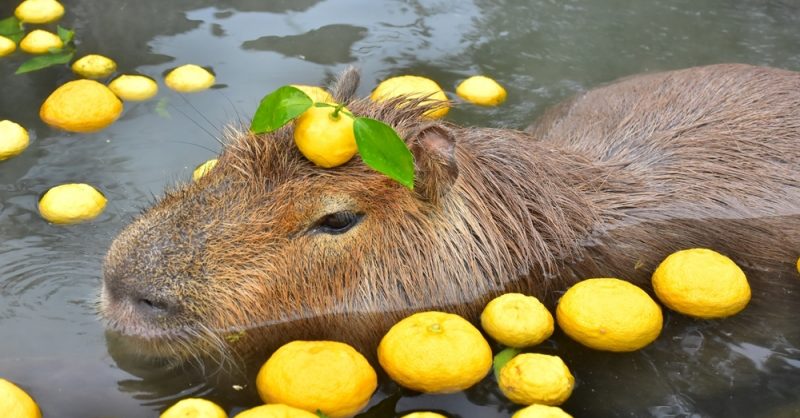
Credit: japanhouse.illinois.edu
Seasonal Changes In Diet
What capybaras eat can change with the seasons. In the wet season, there is plenty of fresh grass and water plants. In the dry season, they may eat more bark, twigs, and dry grasses because other food is harder to find.
This ability to change their diet helps them survive in the wild. Captive capybaras can also benefit from small seasonal changes to keep their meals interesting and balanced.
Table: Common Foods Capybaras Eat
Here’s a quick look at some foods capybaras like, whether in the wild or in captivity.
| Food Type | Wild | Captivity |
|---|---|---|
| Grasses | Yes | Yes |
| Aquatic plants | Yes | Yes (if available) |
| Hay | No | Yes |
| Leafy greens | Sometimes | Yes |
| Fruits | Occasionally | Yes (limited) |
| Tree bark/twigs | Yes | Yes (safe types) |

Credit: petcapybara.com
Table: Nutritional Breakdown Of A Capybara’s Diet
Understanding the nutrients in a capybara’s food helps keep them healthy.
| Nutrient | Main Source | Why It Matters |
|---|---|---|
| Fiber | Grass, hay | Digestion and dental health |
| Vitamin C | Leafy greens, fruits | Prevents scurvy (capybaras cannot make vitamin C themselves) |
| Protein | Hay, pellets | Muscle and body growth |
| Water | Fresh water, juicy plants | Hydration and body functions |
Feeding Tips For Owners
Feeding capybaras is not just about giving them the right food. Here are some tips for a healthy, happy animal:
- Offer a variety of grasses and vegetables daily.
- Avoid sudden changes in diet to prevent stomach problems.
- Clean food and water containers every day.
- Give them safe wood or branches to chew.
- Watch for signs of poor health, such as weight loss or less appetite.
Many new owners forget about the importance of vitamin C. Like guinea pigs, capybaras cannot make this vitamin in their bodies. Without enough, they can get sick, showing signs like swollen joints or bleeding gums.
Another detail beginners often miss: capybaras need to chew a lot. If they don’t have enough rough, fibrous food, their teeth can grow too long, making it hard for them to eat.
Social Eating Habits
Capybaras are very social. In the wild, large groups graze together for safety and company. If you keep more than one, you’ll see them sitting side by side, sharing meals. This behavior helps reduce stress and keeps their group bonds strong.
If a capybara is alone, it may eat less or seem shy. Try to offer food in a calm place and spend time nearby to help them feel relaxed.
Frequently Asked Questions
What Is The Main Food For Capybaras?
The main food is fresh grass. They also eat hay and leafy vegetables, but grass should make up most of their diet.
Can Capybaras Eat Fruit Every Day?
No. Fruits are high in sugar. Offer them only as small treats, not as a daily food.
Are There Any Foods Capybaras Should Never Eat?
Yes. Avoid onions, garlic, processed foods, and chocolate. These can be toxic.
How Often Should Capybaras Be Fed?
Capybaras should have access to fresh grass or hay all day. Offer vegetables and treats once or twice daily.
Do Capybaras Need Vitamin Supplements?
If their diet lacks enough leafy greens and fruit, they may need vitamin C supplements. Ask a vet for advice.
Capybaras are unique eaters with special needs. Giving them the right foods and caring for their social habits leads to a happy, healthy life. If you want more details on their natural history, check the Wikipedia page on capybaras. By paying attention to their diet, you can help these gentle giants thrive, whether in the wild or at home.


