

Can You Eat Capybaras?
The capybara is the world’s largest rodent. It looks a bit like a giant guinea pig and lives in South America. Many people around the world find capybaras cute and interesting, but some wonder: Can you eat capybaras? The answer is more complex than a simple yes or no. Let’s explore the cultural, legal, ethical, and health aspects of eating capybara meat.
The History Of Eating Capybaras
People have eaten capybara meat for hundreds of years, especially in countries like Venezuela, Brazil, and Colombia. Indigenous communities hunted capybaras for food long before Europeans arrived. In some regions, capybara dishes are still part of traditional celebrations.
During the 16th century, Spanish missionaries asked the Catholic Church if eating capybara was allowed during Lent. Surprisingly, the church declared that capybaras were “fish,” not land animals, because they spend much of their time in water. This decision made capybara meat popular during religious fasting periods.
How Does Capybara Meat Taste?
Capybara meat is often described as mild and slightly gamey. Some people compare it to pork or duck. The flavor depends on how it is cooked and which part of the animal is used. The meat is usually tender and has a good amount of fat, which keeps it moist while cooking.
Capybara can be roasted, stewed, or grilled. In Venezuela, a famous dish called “chigüire en coco” uses capybara cooked in coconut milk and spices. People who have tried capybara often say it tastes better than they expected.
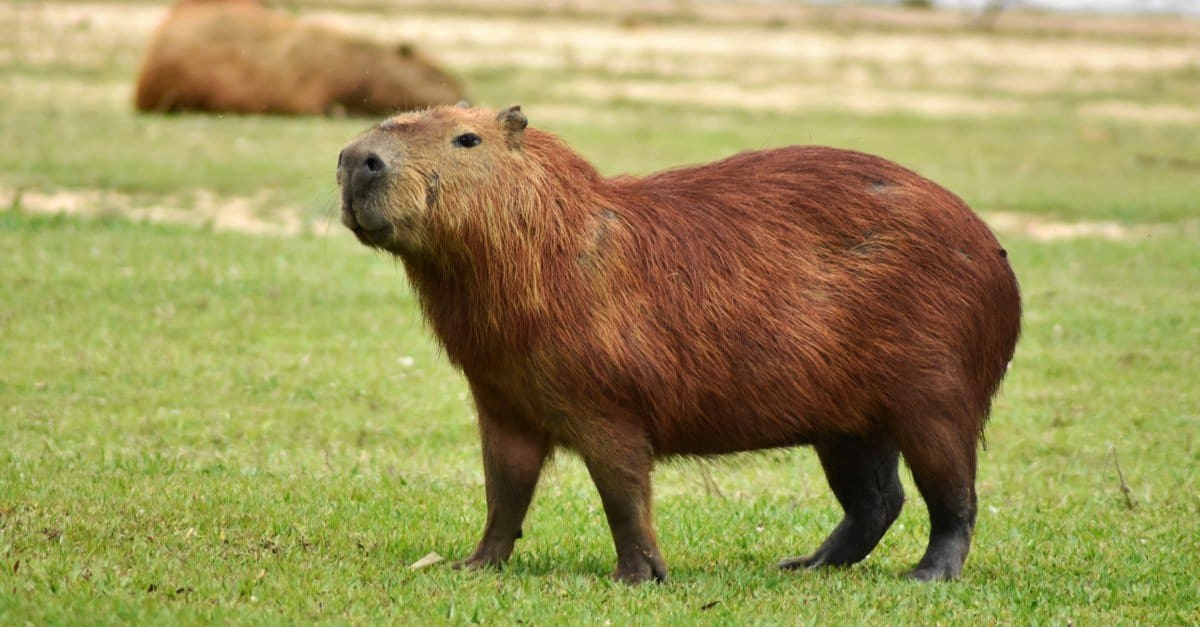
Credit: a-z-animals.com
Is It Legal To Eat Capybaras?
The legality of eating capybara depends on where you live.
| Country | Legal Status | Notes |
|---|---|---|
| Venezuela | Legal | Common during Lent |
| Brazil | Regulated | Hunting requires permits |
| United States | Illegal | Capybara is a protected species |
| Europe | Rare/Regulated | Not usually available |
In countries where capybara is native, there are strict rules. Hunters often need permits, and there are limits to how many can be caught each year. These rules help protect wild populations.
In most other countries, it is illegal to import or sell capybara meat. If you are traveling, it’s important to check local laws before trying this meat.
Ethical Considerations
Eating capybara raises some ethical questions. Capybaras are social, intelligent animals. They live in groups and can form strong bonds. Some people think eating capybara is the same as eating a pet, like a guinea pig or rabbit.
However, in countries where capybara is a traditional food, people see them as a resource, not as pets. Capybara farming is becoming more popular in some areas. Farms can help protect wild populations by providing a sustainable source of meat.
It’s important to consider whether the animals are hunted responsibly. Overhunting can reduce capybara numbers and harm the environment. If you care about animal welfare, ask if the meat comes from a legal, ethical source.
Health And Nutrition
Capybara meat is high in protein and contains healthy fats. It is also a source of vitamin B12, iron, and zinc. Some nutritionists say it is healthier than beef or pork because it has less cholesterol.
Here is a comparison of capybara meat with other common meats:
| Meat | Protein (g per 100g) | Fat (g per 100g) | Calories (per 100g) |
|---|---|---|---|
| Capybara | 23 | 4 | 146 |
| Beef | 26 | 15 | 250 |
| Pork | 21 | 21 | 290 |
| Chicken | 27 | 3 | 140 |
Capybara meat is also lean and easy to digest. But, like all wild game, it can carry parasites or bacteria. Meat should be cooked thoroughly to reduce health risks.
Environmental Impact
Capybara farming has some environmental benefits compared to raising cattle or pigs. Capybaras eat grass and water plants, which are easy to grow and don’t need much fertilizer. They can live in wetland areas that are not suitable for other livestock.
But there are downsides. If capybaras are hunted too much, it can upset local ecosystems. Overhunting can reduce the number of capybaras and affect other animals that share the same habitat.
A well-managed capybara farm can be a good, sustainable source of meat. It’s important that farms follow rules to protect wild animals and nature.

Credit: www.youtube.com
Non-obvious Insights About Eating Capybaras
- Capybara skin is valuable. In some regions, the skin is used to make leather products, not just meat. This makes the animal more useful and reduces waste.
- Capybara is not always wild-caught. Some farms breed capybaras in captivity, which helps protect wild populations and offers a more controlled product.
- Capybaras play a role in wetland management. Their grazing helps shape the environment, so removing too many can cause unexpected changes in plant life and water flow.
Culinary Uses And Popular Dishes
In South America, capybara is not just survival food. It is used in special dishes for holidays and festivals.
Popular ways to cook capybara:
- Roasted capybara: Slow-cooked over a fire, often with herbs.
- Capybara stew: Cooked with vegetables, potatoes, and spices.
- Chigüire en coco: Capybara with coconut milk and garlic.
- Smoked capybara: Preserved using smoke, eaten as a snack.
Capybara is sometimes served with rice, plantains, or cornmeal cakes. Each region has its own recipe and style.
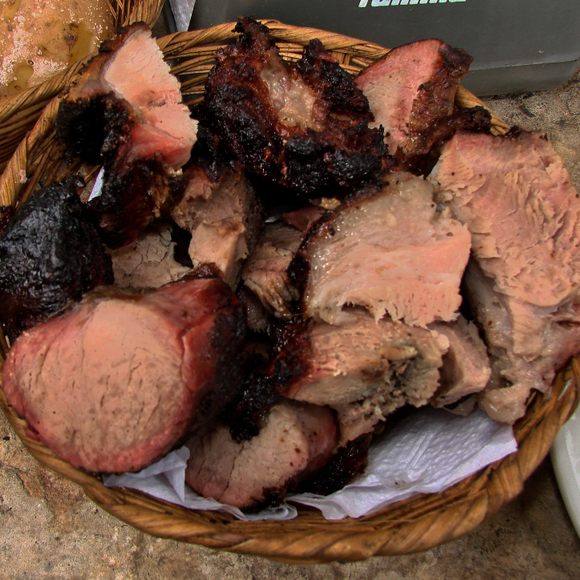
Credit: www.atlasobscura.com
How To Try Capybara Meat
If you want to try capybara, the best place is in a country where it is legal and part of the culture. Look for restaurants or markets in Venezuela or Brazil. Always ask if the meat comes from a legal source.
Never try to import capybara meat into countries where it is not allowed.
You can read more about capybara culture and cuisine at the Wikipedia Capybara article.
Frequently Asked Questions
Is Capybara Meat Safe To Eat?
Yes, capybara meat is safe if cooked properly. Like all wild game, there can be risks from parasites or bacteria, so always cook the meat thoroughly.
Why Did The Catholic Church Call Capybara A Fish?
The church made this decision because capybaras spend much time in water. This allowed people in South America to eat capybara during Lent, when eating meat was not allowed.
Can You Keep Capybaras As Pets Instead Of Eating Them?
Some people keep capybaras as pets, especially in the United States and Europe. However, they need a lot of space, water, and company. They are not legal as pets in all places.
Is Capybara Hunting Sustainable?
Sustainable hunting is possible if local laws are followed and wild populations are monitored. Overhunting can harm the environment and reduce capybara numbers.
How Much Does Capybara Meat Cost?
Capybara meat is usually more expensive than chicken or beef in South America, especially during Lent. Price depends on region, legality, and availability.
Eating capybara is a unique cultural experience in some countries. If you are curious, remember to respect local laws, ethical farming, and the environment before trying this unusual delicacy.


