

Can You Own A Capybara In North Carolina
Capybaras are the world’s largest rodents, and their calm, friendly personalities make them popular on social media. Many people dream about having a capybara as a pet, but the rules for owning exotic animals are different everywhere. If you live in North Carolina and wonder, “Can I legally own a capybara here?
” you are not alone. The answer is not simple. Let’s look at the laws, what you need to know before getting a capybara, and what life with one really involves.
Legal Status Of Capybaras In North Carolina
North Carolina has unique laws when it comes to exotic pets. The state does not have a single rule for all wild animals. Instead, counties and cities often set their own animal laws. This means that capybara ownership can be legal in one area and illegal in another. The state itself does not ban capybaras, but local rules might.
For example, Wake County and Mecklenburg County have stricter rules about keeping exotic animals. In contrast, some rural counties may have no specific laws about capybaras. You must always check with both your county and city animal control offices before bringing one home.
Here is a quick look at how laws can differ across North Carolina:
| County/City | Capybara Legal Status | Permit Needed? |
|---|---|---|
| Wake County | Restricted | Yes |
| Mecklenburg County | Restricted | Yes |
| Guilford County | Unclear | Check local laws |
| Rural Areas | Often Allowed | Sometimes |
Key Point: Even if the state does not ban capybaras, local law always applies.
Permits And Requirements
If your area allows capybaras, you will likely need a permit or special paperwork. The steps usually include:
- Apply with animal control or the local health department.
- Show you have proper facilities (secure fencing, a pool, shelter).
- Pay a permit fee, which can range from $25 to $300 per year.
- Agree to inspections of your property.
- Follow public health rules about animal waste and safety.
Some local governments may ask for proof that you can provide proper veterinary care. Capybaras need vets who know about exotic animals, which are rare in many parts of North Carolina.
Example: Permit Process In Mecklenburg County
- Fill out an application
- Submit a property plan (fencing, pool, shelter)
- Allow an initial inspection
- Pay yearly renewal fees
Tip: Always keep a copy of your permit at home.

Credit: capybaraworld.wordpress.com
What It’s Like To Own A Capybara
Capybaras look cute and friendly, but caring for them is a big job. They are social, semi-aquatic animals, and their needs are different from dogs or cats.
| Capybara Needs | Details |
|---|---|
| Social Companionship | Should live with another capybara |
| Space | Large, grassy yard with secure fencing |
| Water | Access to a deep pool for swimming |
| Diet | Mainly grass, hay, vegetables |
| Temperature | Need warmth; sensitive to cold |
Non-obvious insight: Capybaras get stressed if kept alone. Many owners do not realize that a single capybara will often become depressed without a companion. Also, they chew on almost anything, so your yard must be free of toxic plants and dangerous objects.
Costs And Practical Challenges
Owning a capybara is expensive and time-consuming. Here are some real numbers to consider:
- Initial setup (fencing, shelter, pool): $2,000–$5,000
- Capybara price: $800–$3,000 per animal
- Yearly food cost: $500–$800
- Vet care: $100–$500 per visit (specialist required)
- Permit fees: $25–$300 per year
Capybaras live 8–12 years, so this is a long-term commitment.
Common mistake: New owners often underestimate how much space and water these animals need. A backyard kiddie pool is not enough; capybaras need a pool deep enough to swim and dive.
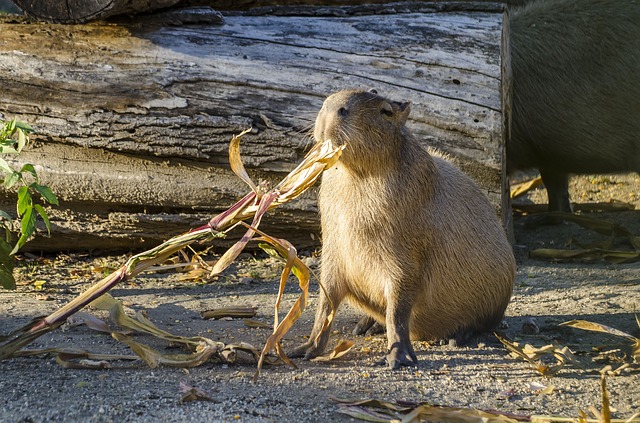
Credit: capybarafacts.com
Risks And Safety Concerns
Capybaras are usually gentle, but they can bite if scared or stressed. Their large front teeth can cause deep wounds. They can also carry diseases that may transfer to humans or pets, such as leptospirosis.
If you have young children or other small pets, think carefully. Capybaras are not suitable for households where their needs could be ignored or mishandled.
Alternative Pets And Ethical Considerations
If you love capybaras but realize they may not be right for your home, consider other rodent pets like guinea pigs or chinchillas. These are easier to care for and legal everywhere in North Carolina.
Ethical rescue organizations suggest only adopting a capybara if you can meet all its needs for companionship, space, and care. Many capybaras end up in shelters or are abandoned because their owners were not prepared.
For more about exotic animal laws in North Carolina, visit the North Carolina Wildlife Resources Commission.

Credit: capybaraworld.wordpress.com
Frequently Asked Questions
Is It Legal To Own A Capybara In North Carolina?
There is no state-wide ban, but many cities and counties have their own rules. Always check local animal control laws before buying a capybara.
Do I Need A Permit To Keep A Capybara?
Yes, in most places that allow capybaras, you must get a special permit. You may also need to show you have proper facilities and pay yearly fees.
Can I Keep Just One Capybara As A Pet?
It is not recommended. Capybaras are social animals and can become lonely and depressed if kept alone. Two or more are best.
Are Capybaras Dangerous?
They are usually friendly but can bite if scared or stressed. They also need careful handling to avoid injury to people and themselves.
How Much Does It Cost To Own A Capybara?
Expect to spend at least $3,000–$8,000 in the first year, including setup, permits, and the animal itself. Ongoing costs are also high due to food and vet care.
Bringing a capybara into your home in North Carolina is possible, but only with careful planning, legal research, and a strong commitment to their well-being. Make sure you are ready for the responsibility before taking the next step.


