

Do Anacondas Eat Capybaras?
In the heart of South America, the rainforests and swamps hide many secrets. Among them, two giant animals stand out: the anaconda, the world’s heaviest snake, and the capybara, the largest rodent. Many people wonder if these two actually meet in the wild—and more importantly, if anacondas eat capybaras. The answer is not as simple as it may seem. Let’s dive into the fascinating relationship between these two remarkable creatures and uncover the full story behind this predator-prey connection.
The Anaconda: A Powerful Predator
The green anaconda (Eunectes murinus) is famous for its massive size. It can grow over 5 meters (16 feet) long, with some reaching more than 9 meters (30 feet) and weighing up to 250 kg (550 lbs). Anacondas live mostly in slow-moving rivers, swamps, and marshes across the Amazon and Orinoco basins.
Anacondas are ambush predators. They spend much of their time in water, waiting patiently for prey to come close. When the time is right, they strike fast, wrapping their muscular bodies around the animal and squeezing until it can no longer breathe.
Unlike many snakes, anacondas do not use venom. Their strength is enough to overpower most animals in their range, making them true giants of their ecosystem.
The Capybara: World’s Largest Rodent
Capybaras (Hydrochoerus hydrochaeris) are easy to spot thanks to their size. Adults can weigh between 35 and 66 kg (77–146 lbs), and measure up to 1.3 meters (4.3 feet) long. These gentle herbivores are social, living in groups near bodies of water, and are very good swimmers.
Capybaras eat grasses and aquatic plants. They are prey for several predators, including jaguars, caimans, eagles, and, yes, anacondas. Their calm nature and tendency to spend time near water make them a frequent target for large snakes.
Do Anacondas Actually Eat Capybaras?
The short answer is: Yes, anacondas do eat capybaras. But this happens less often than many people think. Let’s look at the details.
How Often Does It Happen?
Anacondas are opportunistic feeders. They eat what is available, including fish, birds, turtles, and mammals. Capybaras are among the largest animals they can catch and swallow. Because of the capybara’s size and strength, only the biggest anacondas can hunt adult capybaras. Most attacks focus on young or smaller individuals.
Research and field observations show that while capybaras are part of the anaconda’s diet, they are not the main food source. In fact, anacondas eat capybaras only a few times per year, mainly when other food is scarce or when the snake is large enough to take on such big prey.
How Does An Anaconda Hunt A Capybara?
Anacondas use a mix of stealth and power. They hide under water or dense plants, with only their eyes and nostrils above the surface. When a capybara comes close to drink or swim, the snake strikes, grabbing the animal with its jaws and quickly wrapping its coils around it.
The constriction process is fast and strong. The capybara cannot breathe and soon loses consciousness. The snake then swallows the prey whole—a process that can take hours. After such a big meal, an anaconda may not eat again for weeks or even months.
Here’s a quick look at how these two animals compare:
| Feature | Anaconda | Capybara |
|---|---|---|
| Average Weight | 100–150 kg | 35–66 kg |
| Habitat | Rivers, swamps | Wetlands, riversides |
| Diet | Carnivore | Herbivore |
| Predators | Jaguars, humans | Anacondas, jaguars, caimans |
Why Capybaras? The Benefits For Anacondas
Capybaras are a rich source of nutrition. A single adult can provide enough food to sustain a large anaconda for weeks. This saves the snake energy, as it does not need to hunt often.
But there are risks. Capybaras can fight back with their sharp teeth and strong bodies. In groups, they can warn each other of danger. Sometimes, anacondas are injured during the hunt or fail to catch the capybara at all.
Non-obvious Insights: What Most Beginners Miss
- Anacondas do not hunt every day. A big meal, like a capybara, will keep them full for a long time. Beginners often think snakes eat as often as mammals, but this is not true.
- Capybara herds offer protection. When in groups, capybaras are less likely to fall prey to anacondas. Their social behavior, including warning calls, makes it much harder for a snake to succeed. Many attacks happen on young, weak, or isolated animals.
The Role In The Ecosystem
Both animals play a key role in their habitats. Anacondas help control populations of capybaras and other prey. Capybaras, by grazing on plants, shape the wetland environment and provide food for many predators.
Here’s a summary of their ecosystem roles:
| Species | Role in Ecosystem | Impact if Removed |
|---|---|---|
| Anaconda | Top predator, controls prey | Rodent numbers rise, imbalance |
| Capybara | Herbivore, shapes vegetation | Overgrowth of plants, less food for predators |
Credit: www.weeklytimesnow.com.au
Real-life Examples And Data
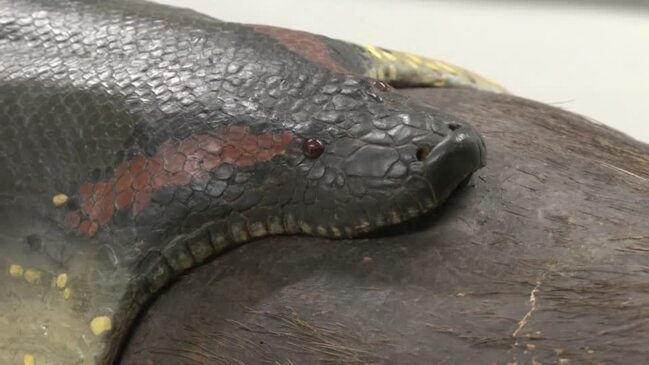
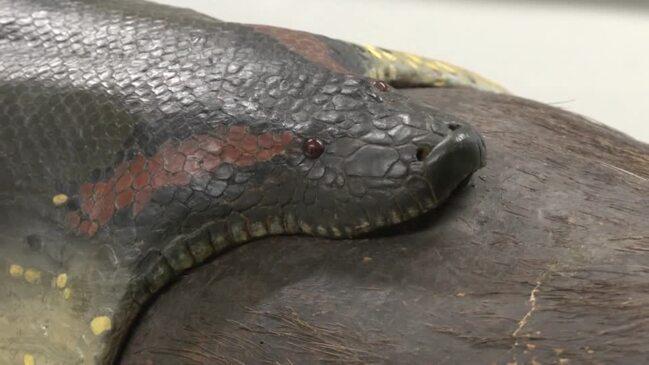
Wildlife documentaries and scientific studies have recorded several cases of anacondas attacking and eating capybaras. For example, a famous video from the Amazon shows a large female anaconda taking down a juvenile capybara near the water’s edge. Researchers estimate that adult anacondas can eat prey up to 50% of their own body weight.
A 2010 study published in the Journal of Herpetology reviewed stomach contents of wild anacondas and found capybara remains in about 8% of the snakes examined. This data confirms that while not the main food source, capybaras are definitely on the menu.
Capybara Defense Strategies
Capybaras are not helpless. They use several methods to avoid anacondas:
- Staying in groups for better safety.
- Diving into water quickly, as they are skilled swimmers.
- Making alarm calls to warn others of danger.
- Using thick vegetation for cover.
These behaviors make it harder for anacondas to succeed, especially with adult or alert capybaras.

Credit: www.youtube.com
Human Impact And Conservation
As humans move into the Amazon and build near wetlands, the lives of both anacondas and capybaras change. Habitat loss, hunting, and pollution threaten their populations. Protecting wetlands is important for keeping this natural balance.
For more detailed information on anaconda diet and capybara behavior, you can visit the Wikipedia page for Green Anaconda.
Frequently Asked Questions
Do Anacondas Eat Only Capybaras?
No, anacondas eat many different animals, including fish, birds, turtles, and mammals. Capybaras are just one part of their diet, and usually only larger snakes can hunt them.
How Does An Anaconda Kill A Capybara?
Anacondas use constriction to kill their prey. They wrap around the capybara and squeeze until it cannot breathe, then swallow it whole.
Are Capybaras Easy Prey For Anacondas?
Not always. Capybaras are strong, social, and alert. They can escape by running or swimming. Anacondas usually target young, weak, or isolated capybaras.
Can A Capybara Fight Back Against An Anaconda?
Yes, especially adults. Capybaras can bite and struggle, sometimes escaping the snake’s grip. In groups, they may even mob the predator to protect each other.
Are Anacondas Dangerous To Humans?
Attacks on humans are very rare. Anacondas prefer wild animals, and people are not usually on their menu. Respect for wildlife and keeping a safe distance is always best.
Both anacondas and capybaras are fascinating creatures, each playing a vital part in the South American ecosystem. Understanding their relationship helps us appreciate the complex web of life in the rainforest.
Credit: www.weeklytimesnow.com.au


