

If you love animals and coffee, you might have heard about the Capybara Cafe. This unique spot has become a sensation among travelers, animal lovers, and social media users. The idea of sipping a latte while watching or even petting a capybara is both charming and rare. But where is the Capybara Cafe? Is it just one place, or are there several locations? Let’s explore everything you need to know about the Capybara Cafe, where you can find them, and what makes them special.
What Is A Capybara Cafe?
A Capybara Cafe is a themed cafe where guests can meet and interact with capybaras. These gentle creatures are the world’s largest rodents, native to South America. They are famous for their calm nature and friendly attitude. At a Capybara Cafe, you can enjoy food and drinks while spending time with capybaras. Sometimes, these cafes also feature other animals like rabbits or guinea pigs.
Most Capybara Cafes follow strict hygiene and safety rules to protect both the animals and visitors. Staff members supervise interactions to ensure the animals are comfortable and healthy. The cafes are designed to offer a peaceful, relaxing experience that is very different from traditional animal cafes.
Where Can You Find Capybara Cafes?
You might expect the Capybara Cafe to be in South America, where capybaras live in the wild. Surprisingly, the trend started in Japan, a country famous for creative themed cafes. Japan’s love for cute animals and unique experiences made Capybara Cafes popular, especially in urban areas.
Capybara Cafes In Japan
Several Capybara Cafes are located in Tokyo, Osaka, and other cities. Here are some of the most famous:
- Capybara Land Ikebukuro: Located in Tokyo, this cafe lets visitors play with capybaras and other small animals. It’s easy to reach from Ikebukuro Station.
- Nagasaki Bio Park: While not a traditional cafe, this park offers capybara encounters and has a cafe on site. You can feed and even bathe capybaras here.
- Animal Cafe Capybara-san: In Osaka, this cafe provides a cozy space to relax with capybaras. They offer drinks and light snacks.
Japan’s Capybara Cafes are usually open all year, but some have limited hours or require reservations. It’s a good idea to check their websites before you visit.
Capybara Cafes In Other Countries
Outside Japan, Capybara Cafes are rare but growing in popularity. Some examples:
- Thailand: Bangkok has animal cafes that include capybaras, such as the Little Zoo Cafe.
- Taiwan: Taipei’s animal cafes sometimes feature capybaras, though they are not always present.
- United States: No official Capybara Cafes exist yet, but some petting zoos and ranches offer capybara encounters.
Most Capybara Cafes outside Japan are still small or experimental. Regulations about keeping exotic animals can make it hard to open new locations. For now, Japan is the best place to find a true Capybara Cafe experience.

Credit: news.medill.northwestern.edu
How Does A Capybara Cafe Work?
Visiting a Capybara Cafe is different from a normal coffee shop. Here’s what you can expect:
- Entry Fee: Most cafes charge an entry fee, usually between 1,000–2,500 yen ($8–$20 USD).
- Time Limit: Visits are often limited to 30–60 minutes to prevent stress for the animals.
- Food and Drinks: Basic drinks like coffee, tea, and juice are available. Some cafes offer snacks or desserts.
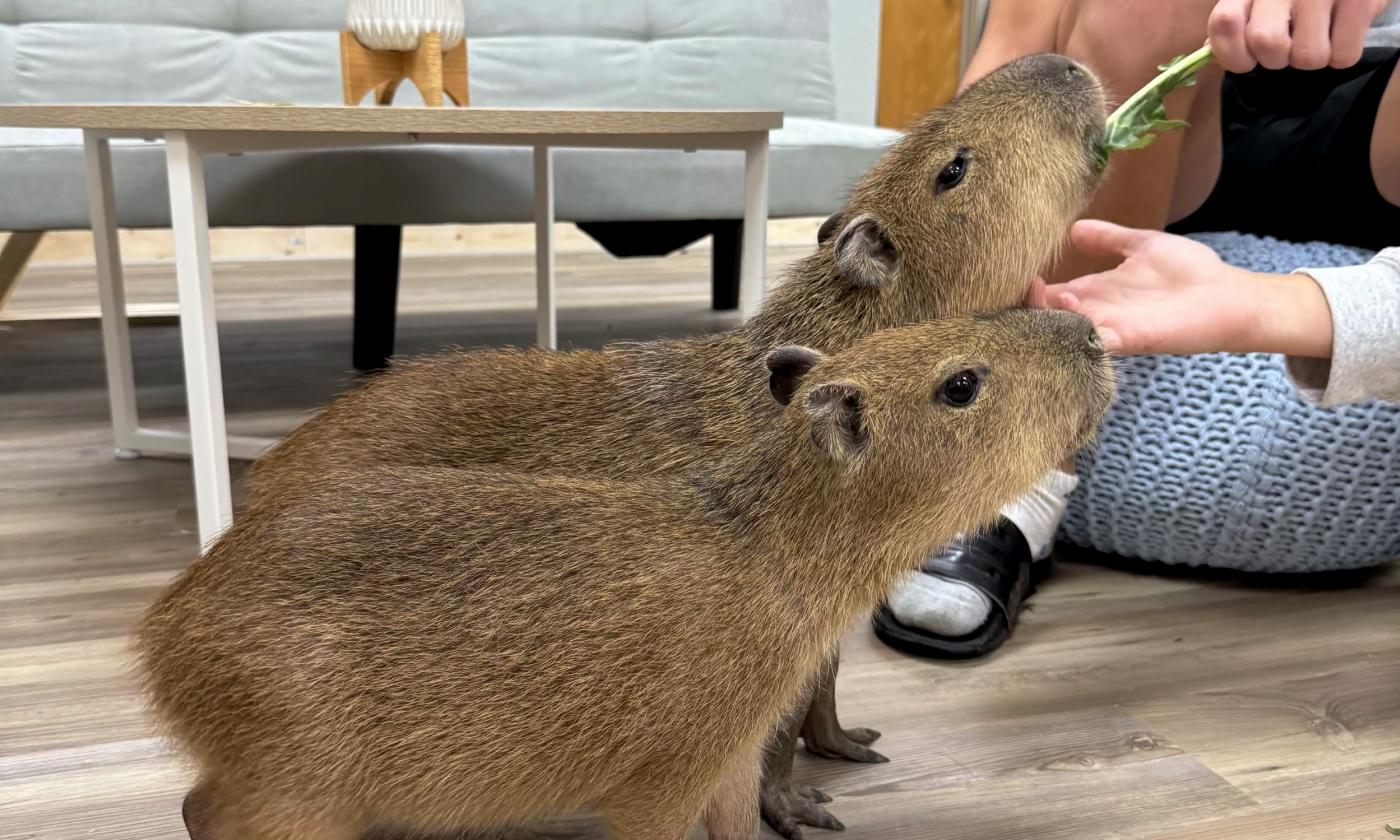
- Animal Interaction: Guests can pet, feed, or take photos with capybaras. Staff supervise all interactions.
- Rules and Hygiene: Hand washing and shoe covers are required. Some cafes have age limits for children.
Here is a simple comparison of what you might find in a Capybara Cafe versus a regular animal cafe:
| Feature | Capybara Cafe | Regular Animal Cafe |
|---|---|---|
| Animals | Capybaras (sometimes other small animals) | Cats, dogs, rabbits, birds |
| Entry Fee | 1,000–2,500 yen | 500–1,500 yen |
| Interaction | Petting, feeding, photos | Petting, feeding, photos |
| Food & Drinks | Limited menu, drinks & snacks | Full cafe menu |
Why Are Capybara Cafes So Popular?
Several reasons explain the popularity of Capybara Cafes:
- Social Media Appeal: Capybaras are photogenic and calm. Pictures with them often go viral.
- Stress Relief: Spending time with animals reduces stress. Capybaras are gentle and easy to approach.
- Unique Experience: Animal cafes with cats or dogs are common, but capybaras are rare and special.
- Education: Guests learn about capybaras and their behavior, which raises awareness about wildlife.
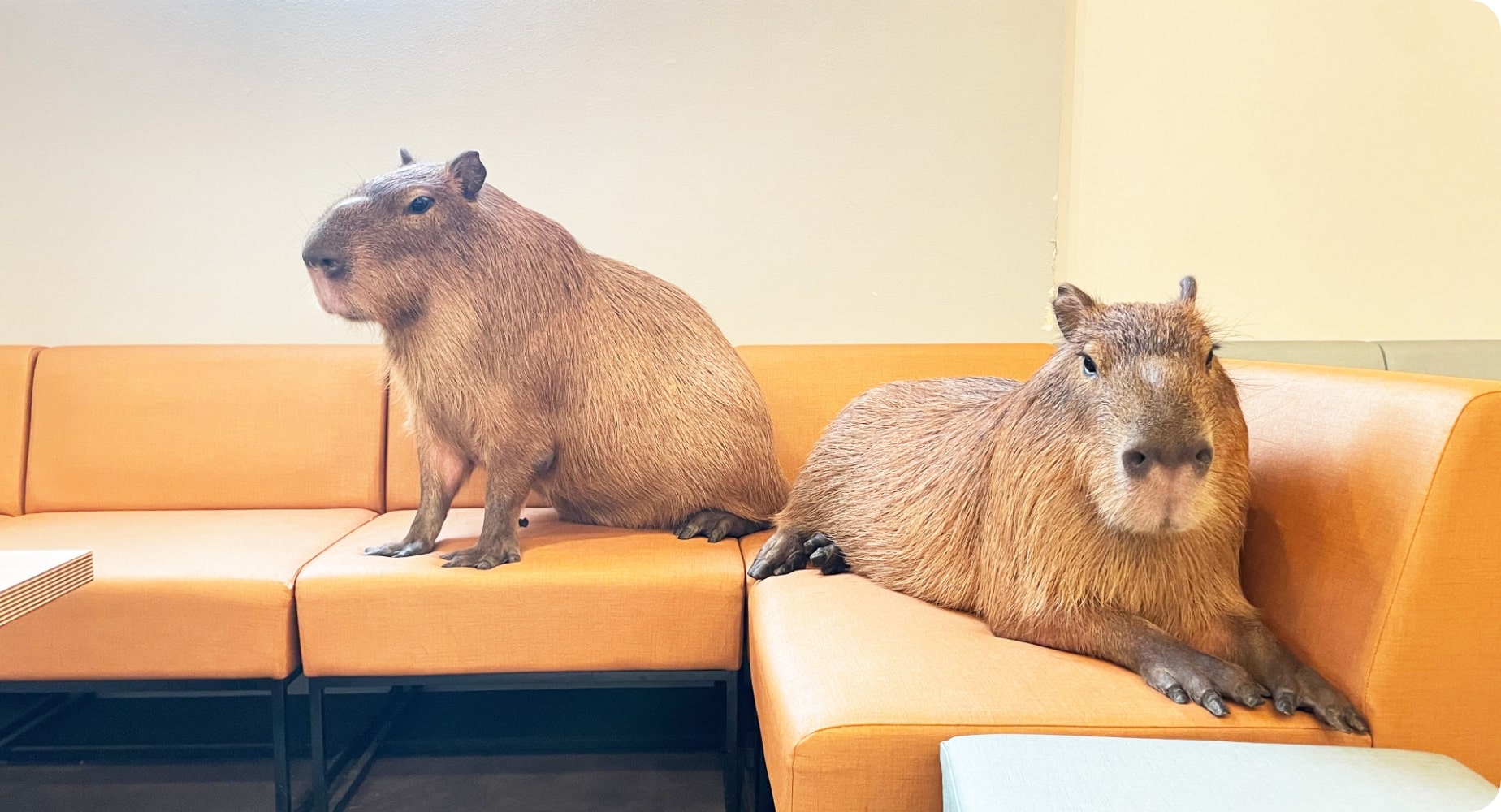
One insight that surprises beginners: Capybaras are herd animals. They feel more comfortable in groups, so cafes usually keep two or more together. Another non-obvious fact: Capybaras need regular bathing, and some cafes allow guests to watch or join in their bath sessions.
Credit: www.visitstaugustine.com
Planning Your Visit: What To Know
If you want to visit a Capybara Cafe, consider these tips:
- Reservations: Many cafes require online booking due to limited space.
- Best Time: Weekdays are less crowded. Early afternoons are ideal for animal activity.
- Dress Code: Wear comfortable clothes. Avoid jewelry or accessories that could attract the animals.
- Health Rules: If you have allergies or health concerns, check with the cafe first.
- Language Barrier: Staff may speak limited English. Bring a translation app if needed.
Here is a quick guide to the main Capybara Cafes in Japan:
| Cafe Name | Location | Entry Fee | Reservation |
|---|---|---|---|
| Capybara Land Ikebukuro | Tokyo | 2,000 yen | Recommended |
| Nagasaki Bio Park | Nagasaki | 2,500 yen | Required |
| Animal Cafe Capybara-san | Osaka | 1,500 yen | Optional |
Capybara Cafes: Safety And Animal Welfare
Animal welfare is a big concern. Capybaras are sensitive, and not all environments are good for them. The best Capybara Cafes work with veterinarians and follow strict rules. Some cafes support wildlife conservation by educating visitors and donating to capybara rescue groups.
When choosing a Capybara Cafe, look for these signs of good care:
- Clean, spacious animal areas
- Staff knowledge about capybara needs
- Clear rules for guests
- Evidence of regular health checks
If you see stressed or unhealthy animals, avoid that cafe. Responsible tourism helps protect capybaras and ensures you have a good experience.
Credit: cspace.co.jp
Frequently Asked Questions
Where Is The Capybara Cafe Located?
Most Capybara Cafes are in Japan, especially in Tokyo, Osaka, and Nagasaki. Other countries have a few animal cafes with capybaras, but Japan has the most established locations.
Can I Find Capybara Cafes In The United States?
There are no official Capybara Cafes in the US yet. Some petting zoos and ranches let guests meet capybaras, but they don’t offer the full cafe experience.
Do Capybara Cafes Allow Children?
Most cafes welcome children, but some have age restrictions for safety. Always check the rules before booking.
How Much Does It Cost To Visit A Capybara Cafe?
Entry fees range from 1,000–2,500 yen (about $8–$20 USD), depending on the location and services offered.
Are Capybaras Safe To Interact With?
Capybaras are gentle and safe when handled properly. Staff supervise all interactions to protect both guests and animals.
Capybara Cafes offer a unique blend of relaxation, fun, and animal therapy. If you plan a trip to Japan or nearby countries, visiting one can be a highlight. Always choose cafes that care for their animals and follow ethical practices. For more about capybaras and animal cafes, check the official Wikipedia page.


