

Capybaras are famous for being gentle giants in the animal world. Their calm nature and social behavior attract attention from animal lovers everywhere. But life in the wild is not always peaceful for these large rodents. Many people wonder, do capybaras have any predators? Understanding their place in the food chain helps us see how they survive, adapt, and sometimes escape danger. Let’s explore the threats capybaras face and how they respond to the wild.
Where Capybaras Live And Why It Matters
Capybaras are native to South America, found in countries like Brazil, Venezuela, and Argentina. They prefer areas with plenty of water, such as swamps, marshes, and riversides. This habitat gives them both food and safety, but it also means they share space with many predators.
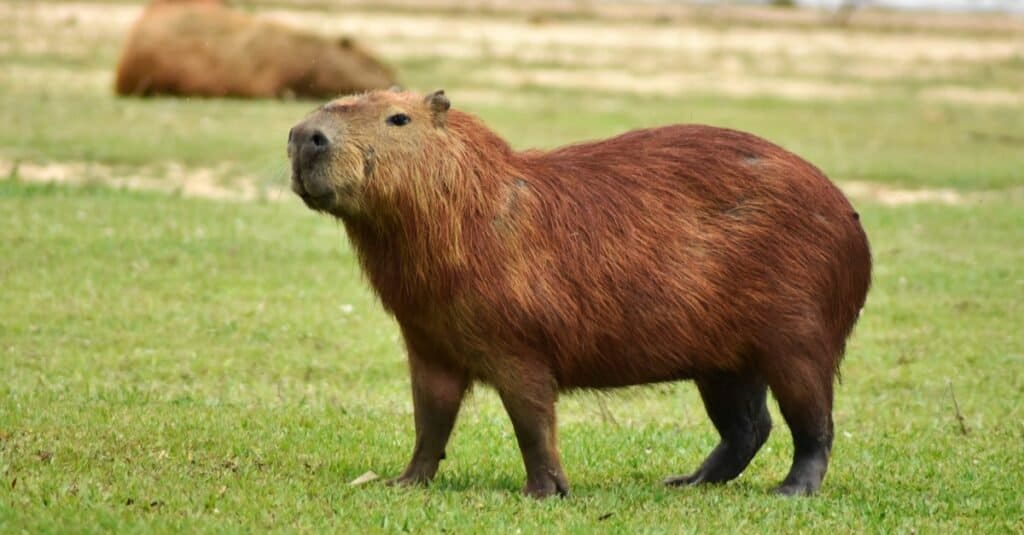
Capybaras are the world’s largest rodents, weighing between 35 and 66 kg (77–146 lbs). Their size makes them a tempting meal for several large animals. Their main predators are those that can overpower or outsmart them, especially near water.
Main Predators Of Capybaras
Several animals hunt capybaras, each using unique strategies. Here are the most common predators:
1. Jaguars
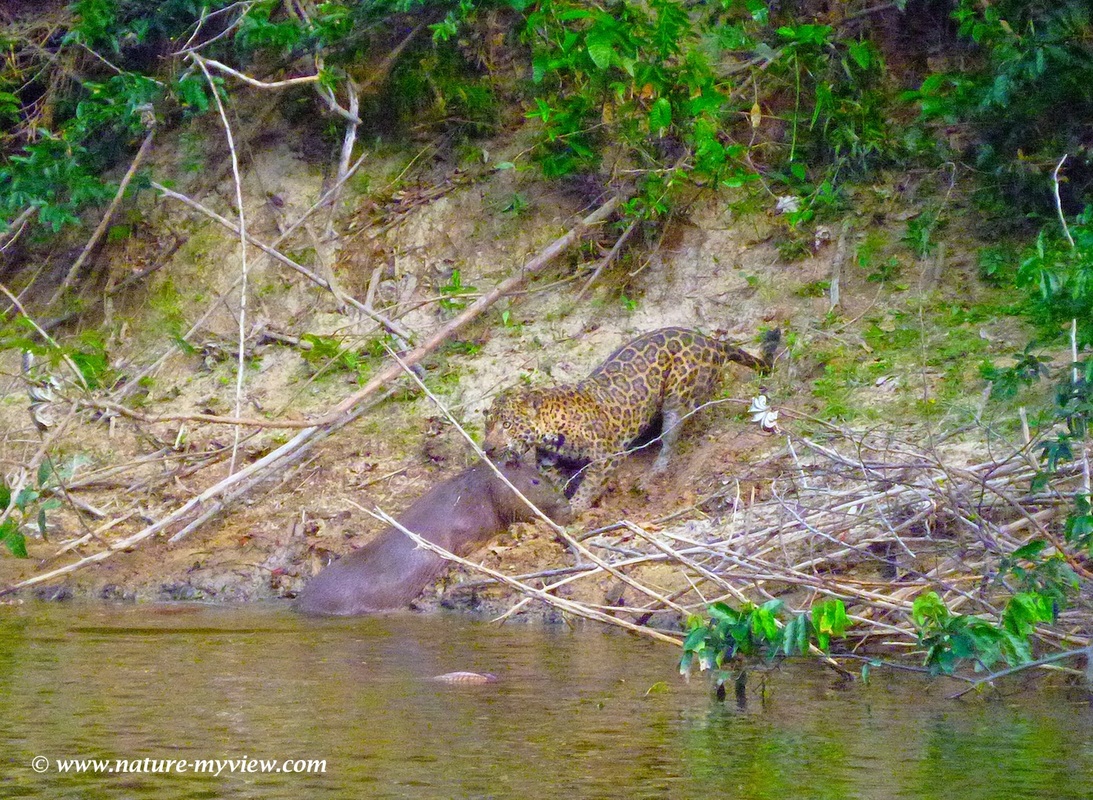
Jaguars are powerful cats that live in the forests and wetlands of South America. They are excellent swimmers and can silently stalk their prey. A jaguar’s bite is strong enough to crush a capybara’s skull, making them one of the most dangerous threats.
2. Caimans
Caimans are reptiles similar to crocodiles. They wait quietly in the water for capybaras to come close. With a sudden snap, they grab the unsuspecting animal. Young capybaras are especially at risk from caimans.
3. Anacondas
The green anaconda is the largest snake in the world and can be found in the same rivers as capybaras. Anacondas ambush their prey in water, wrapping around and squeezing tightly until the capybara cannot breathe.
4. Ocelots
Ocelots are smaller wild cats. They usually target young or sick capybaras. Their stealth and quick attacks can catch a capybara off guard, especially at night.
5. Eagles And Other Birds Of Prey
While adult capybaras are too large, young capybaras are vulnerable to birds like harpy eagles. These birds swoop down quickly, carrying off the smaller, less experienced animals.
6. Humans
In some regions, humans hunt capybaras for their meat and hide. While laws protect them in many places, illegal hunting still happens.
Here is a comparison of the main predators and their hunting methods:
| Predator | Hunting Style | Primary Target |
|---|---|---|
| Jaguar | Ambush, powerful bite | Adults & young |
| Caiman | Water ambush, quick snap | Young & adults |
| Anaconda | Water ambush, constriction | Mostly young |
| Ocelot | Stealth, fast attack | Young |
| Eagle | Swoop and grab | Babies |
| Humans | Hunting, trapping | All ages |
Capybara Defense Strategies
Despite many threats, capybaras have developed ways to stay safe:
- Living in Groups: Capybaras are social. They often form groups of 10 to 20, but sometimes over 100 during the dry season. Being in a group means more eyes watching for danger.
- Water Escape: Capybaras are strong swimmers. If they sense danger, they dive into the water and can hold their breath for up to five minutes. This often helps them escape from land predators.
- Alert Calls: Capybaras use a range of sounds to warn each other. If one spots a threat, it barks or whistles, sending the group into the water.
- Camouflage: Their brown fur blends with the muddy riverbanks, making them harder to spot.
Here is how these strategies compare in effectiveness against different predators:
| Defense | Works Against | Limitations |
|---|---|---|
| Group living | All land predators | Less effective in water |
| Swimming/Diving | Big cats, humans | Not against caimans/anacondas |
| Alert calls | All | Requires attentive group |
| Camouflage | Birds of prey, cats | Useless if moving |
Impact Of Predators On Capybara Population
Predators play a key role in controlling the capybara population. In areas where jaguars and caimans are common, capybaras rarely overpopulate. However, when predators are removed or hunted, capybara numbers can grow quickly. This can cause problems, such as overgrazing and competition with farm animals.
In some protected parks, scientists noticed capybara numbers grew out of control when jaguars disappeared. The balance between predator and prey keeps the ecosystem healthy. Capybaras also serve as an important food source for many animals, showing their central role in nature.
Credit: www.reddit.com
Not-so-obvious Risks For Capybaras
Most people focus on big animals like jaguars and caimans, but capybaras face other dangers too:
- Disease spread by ticks: Capybaras can carry ticks that spread diseases to other animals and humans. This makes them targets for wildlife managers.
- Habitat loss: When forests and wetlands are destroyed for farming or cities, capybaras have fewer places to hide. This makes them easier for predators—and humans—to find.
These risks are often overlooked but can be just as dangerous as classic predators.
Capybaras In Urban And Farm Areas
As cities and farms expand, capybaras sometimes move into new areas. Here, their main predators—like jaguars—are gone, but new dangers appear:
- Domestic dogs: In towns and villages, dogs may chase or attack capybaras.
- Cars and roads: Capybaras are sometimes hit by vehicles while crossing roads, especially at night.
Urban life changes the kind of risks capybaras face. They trade wild predators for human-related threats.
Credit: www.nature-myview.com
Capybaras’ Surprising Allies
Some birds, like cattle egrets, follow capybara groups and eat insects that bother them. While not true “bodyguards,” these birds help by removing ticks and warning of danger. This is a unique example of how capybaras benefit from relationships with other species.
Frequently Asked Questions
What Is The Biggest Predator Of Capybaras?
The jaguar is the biggest and most powerful predator that hunts capybaras in the wild.
How Do Capybaras Protect Their Young From Predators?
Capybaras keep their young in the center of the group and stay close to water so the babies can escape quickly if needed.
Are Capybaras Endangered Because Of Predators?
No, capybaras are not endangered. Their population is stable in most areas, but local declines can happen if too many predators or humans hunt them.
Do Capybaras Have More Predators On Land Or In Water?
Capybaras face more threats in water from caimans and anacondas, but they also face land predators like big cats.
Can Humans Legally Hunt Capybaras?
Hunting laws differ by country. In some places, it is legal with a permit, but in others, it is banned to protect their numbers. Always check local rules or visit Wikipedia for more details.
Capybaras may look peaceful and relaxed, but their world is full of danger. From jaguars in the forest to caimans in the river, they must always be alert. Their group living, swimming skills, and quick alarms help them survive. Knowing about their predators helps us understand their behavior and why protecting their habitats is so important.
If you ever see a capybara, remember—they are not just cute; they are survivors in a wild, challenging world.
Credit: a-z-animals.com


