

Capybaras are some of the most fascinating animals in South America. Their calm nature and unusual appearance make them stand out from other rodents. But when people see capybaras swimming gracefully in lakes and rivers, one question often comes up: Do capybaras have webbed feet? The answer is more interesting than you might think. Understanding their feet can reveal a lot about how they live, swim, and survive in the wild.
What Are Webbed Feet?
Webbed feet are a special adaptation seen in many animals that spend time in water. The skin stretches between the toes, forming a web. This makes it easier to push against the water and move smoothly. Ducks, frogs, and otters are famous for their webbed feet.
But not every animal with webbing uses it in the same way. The amount of webbing and the shape of the feet can be different depending on the animal’s needs.
Capybara Feet: A Closer Look
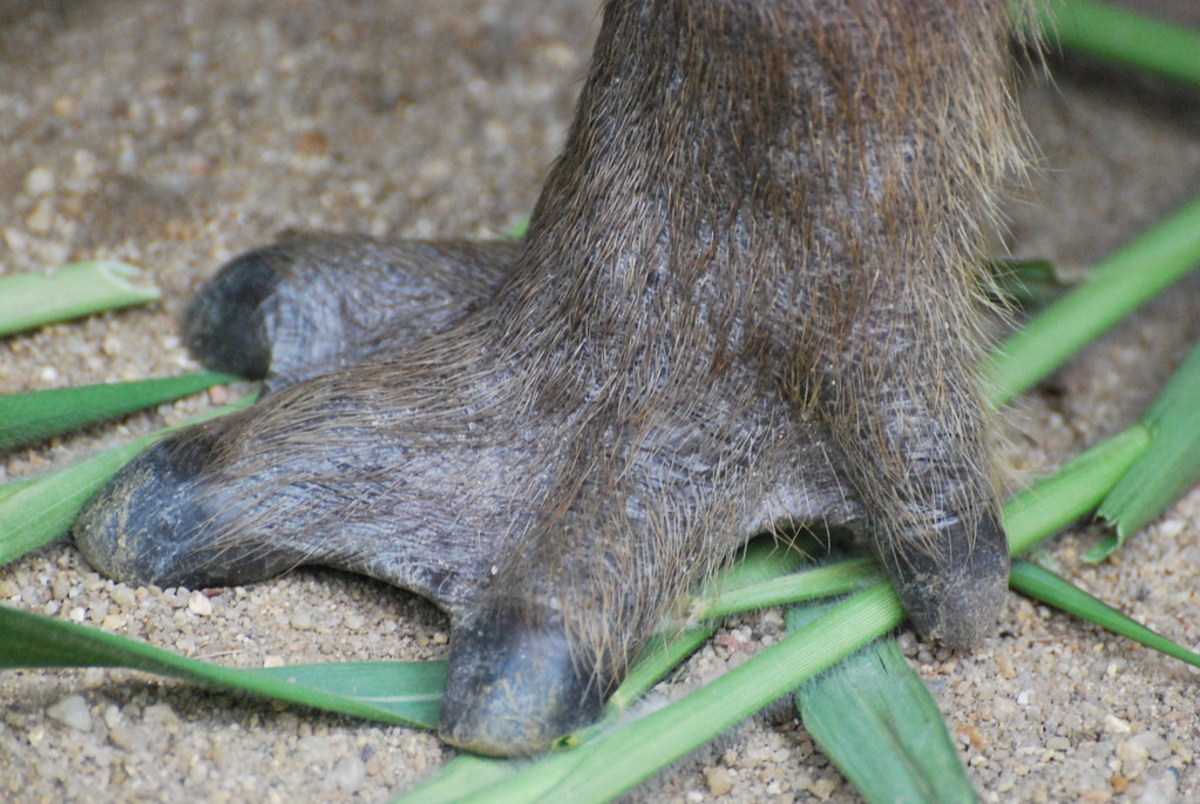
Capybaras do indeed have partially webbed feet. This means there is skin between their toes, but it does not cover all the space like it does in a duck or a frog. If you look at a capybara’s front and back feet, you will see some important differences.
| Feature | Front Feet | Back Feet |
|---|---|---|
| Number of Toes | Four | Three |
| Webbing | Partial | Partial |
| Claw Shape | Blunt | Blunt |
Their front feet have four toes, each connected by webbing. The back feet have only three toes. The webbing is not as deep as in animals that swim all the time, but it is enough to help in water.
Why Do Capybaras Have Webbed Feet?
The webbing on capybara feet is a key adaptation for their semi-aquatic lifestyle. They spend much of their time in rivers, ponds, and marshes. The webbed feet serve several important purposes:
- Swimming: The webbing helps capybaras move smoothly through water. It acts like a paddle, pushing against the water with each step.
- Walking on Soft Ground: Wetlands have soft, muddy ground. Webbed feet spread the animal’s weight, making it easier to walk without sinking too deep.
- Escaping Predators: When threatened, capybaras can dive into water and swim away quickly. Their feet help them escape animals like jaguars and caimans.
How Do Capybara Feet Compare With Other Animals?
Not all animals that live near water have the same type of webbing. Here’s how capybaras compare to some other well-known swimmers:
| Animal | Webbing Type | Purpose |
|---|---|---|
| Capybara | Partial | Swimming and walking on mud |
| Duck | Full | Efficient swimming |
| Otter | Full | Fast swimming and hunting |
| Beaver | Full (hind feet) | Swimming and building dams |
| Frog | Full (hind feet) | Jumping and swimming |
Capybaras are not as strong in water as otters or ducks, but their feet are perfect for their needs. They can swim, walk, and even run on muddy riverbanks.

Credit: www.reddit.com
Capybara Movement: Land Vs. Water
Capybaras are well known for their swimming, but they also spend time on land. Their feet help them adapt to both places.
- In Water: Capybaras use their webbed feet to paddle, moving quietly and quickly. They can stay underwater for up to five minutes.
- On Land: The blunt claws and wide feet give good grip. They can walk, run, and even climb small hills.
One thing many people miss is that capybaras are not fast runners. Their webbed feet are not built for speed on hard ground. Instead, these feet help them avoid getting stuck in mud and make swimming easier.
Other Surprising Features Of Capybara Feet
There are two interesting details beginners often miss about capybara feet:
- Sweat Glands: Capybaras have sweat glands on the soles of their feet. This is rare in rodents and helps them stay cool in hot, humid climates.
- Scent Marking: Capybaras use their feet to spread scent from glands on their rump. When they walk, they leave a scent trail to mark their territory.
Both features show that capybara feet are much more than just paddles for swimming.

Credit: www.futureengineers.org
Why Partial Webbing Is Perfect For Capybaras
Some people wonder why capybaras don’t have fully webbed feet like ducks. The answer comes from their lifestyle. Capybaras need to balance life in water and on land. Full webbing would make them clumsy on land. Partial webbing is just right for their daily needs.
| Feature | Partial Webbing (Capybara) | Full Webbing (Duck/Otter) |
|---|---|---|
| Swimming Ability | Good | Excellent |
| Walking on Land | Easy | Harder |
| Mud Navigation | Stable | Can slip |
This balance allows capybaras to graze on land, escape danger, and spend hours relaxing in water.
The Role Of Capybara Feet In Their Ecosystem
Capybaras play an important role in wetland environments. Their feet do more than just help them survive:
- Spreading Plants: As capybaras move through water and mud, seeds get stuck to their feet. This helps spread plants to new places.
- Making Paths: Their feet create small trails in the grass and mud. Other animals use these paths to find water or food.
These small actions show how capybaras are a key part of their ecosystem.
Credit: discover.hubpages.com
Frequently Asked Questions
Do Capybaras Use Their Webbed Feet For Digging?
Capybaras rarely dig with their feet. They use their teeth for chewing plants, but their feet are mainly for walking, swimming, and scent marking.
Can Capybaras Swim Long Distances?
Yes, capybaras are strong swimmers. Their webbed feet let them cover long distances in search of food or safety. They often cross rivers and lakes.
Are Capybara Babies Born With Webbed Feet?
Baby capybaras are born with the same webbing as adults. The webbing grows as they get bigger, but the basic structure is there from birth.
How Do Capybara Feet Help Avoid Predators?
When chased, capybaras dive into water. Their webbed feet let them swim away quickly and even hide underwater for several minutes.
Where Can I Learn More About Capybara Anatomy?
You can find more about capybara anatomy on the Wikipedia Capybara Page for detailed descriptions and images.
Capybaras are much more than just cute faces. Their webbed feet are a unique adaptation that helps them survive in wetlands. Whether they are swimming, walking, or marking their territory, their feet are key to their way of life. If you ever see a capybara up close, take a look at their feet—you will see the secret to their success in both water and on land.


