
Capybaras are often called the world’s friendliest rodents. With their calm eyes and gentle smiles, these unique animals have captured hearts on social media and in wildlife parks. But do capybaras actually like humans, or is their peaceful behavior just a natural part of who they are?
Let’s explore what science and real-life stories tell us about the relationship between capybaras and people.
What Makes Capybaras Unique
Capybaras are the largest rodents in the world. Adults can weigh between 35 to 66 kg (77 to 146 lbs) and grow up to 1. 3 meters (4. 3 feet) long. Native to South America, they live near rivers, lakes, and wetlands.
One thing that sets capybaras apart is their social nature. They live in groups of 10 to 20 members, and sometimes even larger herds. Their communication includes soft barks, whistles, and purrs, which help them stay connected. Unlike many wild rodents, capybaras are not aggressive or territorial.
Another special trait is their docile behavior. Capybaras rarely show fear toward animals or humans unless threatened. This calm attitude makes them interesting to observe and interact with.
Why Capybaras Seem To Like Humans
There are many stories of capybaras calmly sitting next to people, letting kids pet them, or even sharing a warm bath in Japanese zoos. But what’s behind these peaceful moments?
Their Calm Temperament
Capybaras are naturally gentle. This means they do not startle easily and rarely bite. People can often approach capybaras without causing stress. In some cases, capybaras even walk up to humans out of curiosity.
Social Intelligence
Capybaras understand social cues well. In the wild, they form strong bonds with each other through grooming and close contact. When humans provide food or gentle touches, capybaras may see them as friendly members of the group.
Adaptation To Humans
In places like wildlife parks and zoos, capybaras are used to seeing people. They quickly learn that humans bring food, water, or treats. Over time, they can become quite tame, often approaching visitors or caretakers for snacks or scratches.
Not True Domestication
It’s important to note that capybaras are not truly domesticated animals like dogs or cats. They do not have thousands of years of history living with humans. However, their gentle nature allows them to form positive relationships with people under the right conditions.
Capybaras As Pets: What To Expect
Some people consider keeping a capybara as a pet. While this might sound fun, it’s important to know the facts before making a decision.
| Aspect | Capybara | Common Pets (Dogs/Cats) |
|---|---|---|
| Social Needs | Very high (needs group) | Varies by breed |
| Space Required | Large outdoor area with water | Indoor/yard |
| Legal Status | Restricted in many places | Legal almost everywhere |
| Diet | Special herbivore diet | Commercial food available |
Capybaras need lots of space and a pool for swimming. They are happiest when living with other capybaras, as loneliness can make them stressed or sick. Their diet is also unique—they eat grass, hay, and sometimes fruit or vegetables.
While capybaras can be affectionate, they are not “cuddly” like some pets. They may enjoy gentle petting, but they are not lap animals. Owners must be patient and understand their needs.
Capybara Behavior With Humans
Observing capybara behavior shows how they interact with people.
- Approaching humans: Capybaras often walk up to people, especially if they are used to being fed.
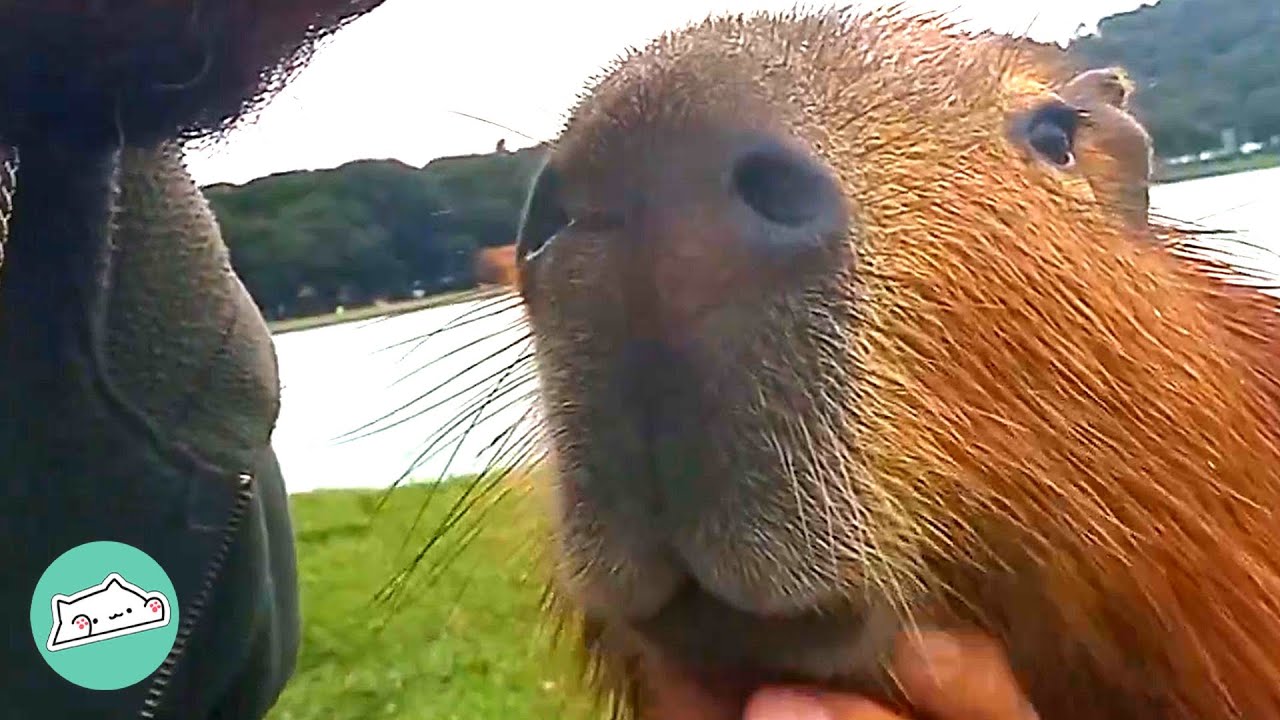
- Allowing touch: Many capybaras let people pet them, especially on the head or back. Some may even roll over or close their eyes in enjoyment.
- Staying calm: In busy parks, capybaras often sit quietly while people watch or take photos.
- Vocalizing: Capybaras sometimes make purring or clicking sounds when happy, even around humans.
However, capybaras may avoid strangers or run away if they feel threatened. They need time to build trust with new people.
How To Build Trust With Capybaras
If you want to bond with a capybara, patience and respect are key.
- Move slowly: Sudden movements can scare them.
- Offer treats: Giving small amounts of their favorite foods (like grass or fruit) helps build positive associations.
- Respect space: Let the capybara approach you first.
- Gentle touch: If they allow it, use slow strokes on their back or head.
It’s important to never force interaction. Capybaras are sensitive to stress, and negative experiences can make them avoid humans.
Capybaras And Other Animals
Capybaras are famous for being friendly with all kinds of animals. You may have seen photos of birds, monkeys, or even cats sitting on their backs. This peaceful nature comes from their strong social instincts.
| Animal | Capybara Response | Reason |
|---|---|---|
| Dogs | Usually tolerant, sometimes playful | Both are social animals |
| Birds | Often ignored or accepted | Non-threatening, small size |
| Cats | Calm, sometimes curious | Similar relaxed behavior |
| Other rodents | Usually peaceful | Familiar species group |
This gentle attitude extends to humans as well, which is why capybaras are so popular in mixed-species exhibits and animal cafes.
Credit: www.youtube.com
Non-obvious Insights About Capybara-human Bonds
Many people think capybaras are friendly with everyone. In reality, capybaras can be selective. They may form close bonds with specific humans, especially those who feed or care for them daily. Capybaras remember individuals and can recognize their caretakers’ voices or steps.
Another detail is that capybaras are sensitive to body language. If a person seems relaxed and non-threatening, capybaras are more likely to approach. Nervous or loud behavior makes them cautious. This is why some visitors are able to pet capybaras easily, while others cannot get close.
Risks And Responsibilities
While capybaras are gentle, there are risks. They have strong teeth and may bite if they feel trapped or scared. Also, capybaras can carry diseases that spread to humans or pets, such as salmonella. It’s important to wash hands after contact and supervise children closely.
Owning or interacting with capybaras is also a responsibility. They can live 8–12 years, and need special diets and medical care. In many countries, owning a capybara is illegal or requires special permits.
Credit: www.reddit.com
Scientific Perspective
Research shows that capybaras have low aggression levels compared to other wild rodents. Studies in zoos and wildlife centers show capybaras have lower stress hormones when handled gently by familiar people.
However, scientists warn that capybaras are still wild animals. Their calm nature is not a guarantee of safety, and every capybara has its own personality. For more, see this Wikipedia page.
Frequently Asked Questions
Do Capybaras Make Good Pets?
Capybaras need large outdoor spaces, water for swimming, and the company of other capybaras. They can be friendly but are not ideal pets for most people due to their special needs.
Are Capybaras Dangerous To Humans?
Capybaras are usually gentle, but they can bite if scared or cornered. It’s important to treat them with respect and give them space.
Can Capybaras Recognize People?
Yes, capybaras can remember and recognize individuals, especially those who feed or care for them regularly.
Why Do Capybaras Get Along With Other Animals?
Capybaras are peaceful and social by nature. This makes them tolerant of other species, including humans and common pets.
Where Can I See Or Meet Capybaras?
You can see capybaras in many zoos, animal parks, and some animal cafes around the world. Always check local rules before interacting closely with them.
Capybaras are gentle, social animals who can form friendly relationships with humans when treated with patience and respect. While they are not truly domesticated, their unique nature makes them fascinating companions in the right setting. If you ever meet a capybara, remember to be calm and let them come to you—you might make a new friend.

Credit: twpark.com


