

Have you ever wondered if you can meet a capybara—the world’s largest rodent—at the Dallas Zoo? Capybaras have become internet celebrities thanks to their gentle nature and quirky looks, but not everyone knows where to find them in real life.
If you’re planning a trip to the Dallas Zoo or just curious about these unique animals, you’re in the right place. Here’s everything you need to know about capybaras at the Dallas Zoo, plus helpful tips for your visit.
Capybaras: The Basics
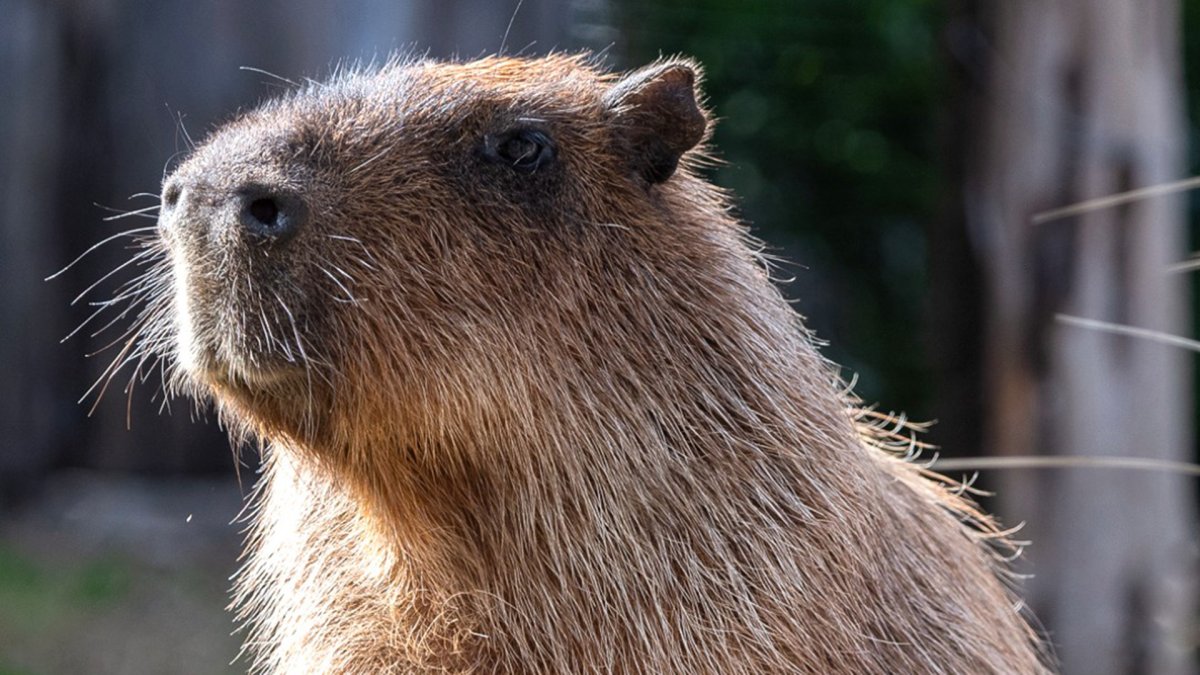
Capybaras are native to South America and belong to the same family as guinea pigs. They can weigh up to 150 pounds and grow up to 4 feet long. Known for being social and calm, capybaras often live in groups near water. Their webbed feet make them excellent swimmers, and they graze on grasses and aquatic plants.
Capybaras are favorites among zoo visitors because of their relaxed attitude and friendly behavior, especially when interacting with other animals. You can usually spot them relaxing in the shade or swimming together.
Does The Dallas Zoo Have Capybaras?
The simple answer is yes—the Dallas Zoo does have capybaras. These animals are part of the zoo’s collection, and you can find them in the Giants of the Savanna habitat. This area is designed to mimic the natural homes of African and South American animals. While the main focus is on African species, the Dallas Zoo includes capybaras to showcase the diversity of large mammals.
Here’s a quick look at the Dallas Zoo’s capybara exhibit:
| Exhibit Name | Location in Zoo | Capybara Viewing Area |
|---|---|---|
| Giants of the Savanna | Wilds of Africa Section | Near Waterhole Overlook |
Dallas Zoo’s capybaras are often seen near water, swimming or resting on the grassy banks. The exhibit gives you a close-up view of their daily activities.

Credit: www.reddit.com
What Makes Capybaras Special At The Dallas Zoo?
Unlike many zoos that keep capybaras in small, basic enclosures, the Dallas Zoo provides a spacious, naturalistic habitat. Here are a few things that make the Dallas Zoo’s capybara exhibit stand out:
- Large, open space: Capybaras have room to roam, swim, and interact with each other.
- Mixed-species exhibit: Sometimes, capybaras share their space with other animals like birds and antelope, creating a more natural environment.
- Interactive talks: Zookeepers offer educational talks and sometimes demonstrate feeding, giving visitors a deeper understanding of capybara care and behavior.
Capybaras at the Dallas Zoo are part of educational programs, helping visitors learn about animal conservation and South American wildlife.
Visiting Tips For Seeing Capybaras
If you want to make the most of your visit, keep these tips in mind:
- Best viewing times: Capybaras are most active in the morning or late afternoon, especially during warm months.
- Bring binoculars: The exhibit is large, so binoculars help you spot capybaras swimming or resting at a distance.
- Check the daily schedule: Look for keeper talks or feeding times posted near the exhibit. These sessions are a great chance to see capybaras up close and ask questions.
- Respect barriers: Never try to touch or feed the capybaras. The zoo’s rules help keep both animals and visitors safe.
If you’re traveling with kids, the capybara exhibit is a favorite for families. The gentle nature of these animals makes them a hit with young visitors.
How Capybaras Compare To Other Dallas Zoo Animals
Capybaras often get compared to other mammals at the zoo, especially because of their size and social habits. Here’s a simple comparison of capybaras and other popular Dallas Zoo animals:
| Animal | Average Weight | Habitat | Diet |
|---|---|---|---|
| Capybara | 77-150 lbs | Wetlands, riverbanks | Grasses, aquatic plants |
| Meerkat | 1.5-2 lbs | Desert, savanna | Insects, plants |
| Elephant | 6,000-13,000 lbs | Grasslands, forests | Grasses, fruit, bark |
| Giraffe | 1,600-3,000 lbs | Savanna, woodlands | Leaves, shoots |
Capybaras are unique because they are rodents, not hoofed mammals like giraffes or elephants. Their love of water and group living sets them apart from many other zoo residents.
Why Are Capybaras Popular With Visitors?
There’s something about capybaras that fascinates people of all ages. Here’s why they’re a favorite at the Dallas Zoo:
- Social behavior: Capybaras enjoy company and often rest in groups, giving visitors a chance to see interesting animal interactions.
- Relaxed nature: They are calm and rarely aggressive, which makes them less intimidating for young visitors.
- Unusual appearance: With their round bodies, blunt noses, and webbed feet, capybaras look unlike any other zoo animal.
One insight many beginners miss: capybaras can make a wide range of sounds, from barks to purrs, especially during feeding or social interactions. If you listen closely, you might hear them communicating.
Another non-obvious fact: Capybaras have a unique habit of “bathing” in mud or shallow water to cool off and protect their skin. This is different from animals like hippos, which spend more time submerged.

Credit: www.fox4news.com
Conservation And Education Efforts
The Dallas Zoo doesn’t just display capybaras—they play an important role in educating the public about conservation. Capybaras face threats in the wild, such as habitat loss and hunting for their meat and skin. By learning about these animals at the zoo, visitors can better understand the challenges wildlife face.
The zoo partners with conservation organizations and supports research to help protect capybaras and their habitats in South America. You can learn more about capybara conservation by visiting resources like the Wikipedia page on capybaras.
Frequently Asked Questions
Are Capybaras Always Visible At The Dallas Zoo?
Capybaras are usually easy to spot, but sometimes they may be resting out of sight, especially during hot weather or midday. Early mornings are your best chance to see them active.
Can I Feed Or Pet The Capybaras At The Zoo?
No, visitors are not allowed to feed or touch the capybaras. This is for the safety of both the animals and the guests. Only trained staff interact with them directly.
How Many Capybaras Live At The Dallas Zoo?
The exact number can change, but the Dallas Zoo usually has a small group (between 2-6 capybaras) to mimic their natural social structure.
Do Capybaras Live With Other Animals At The Dallas Zoo?
Yes, capybaras sometimes share their habitat with other species. This mixed-species exhibit gives a more natural feel and lets visitors see how different animals interact.
Is The Dallas Zoo The Only Place To See Capybaras In Texas?
No, other zoos in Texas, like the Houston Zoo and San Antonio Zoo, also have capybaras. However, the Dallas Zoo’s exhibit is known for its large, natural space and educational programs.
A trip to the Dallas Zoo offers a chance to see capybaras up close and learn about their fascinating lives. Whether you’re a first-time visitor or a regular, these gentle giants are sure to make your zoo experience memorable.
Credit: www.nbcdfw.com


